
What “Nailed To The Cross” Really Means
The meaning of Nailed To The Cross Rend Collective starts with a struggle many listeners recognize: the feeling of being crushed by regret, shame, or fear. This song answers that struggle with a clear Christian claim. It says the believer does not defeat guilt by trying harder. They answer it by remembering what Christ has already done.
"Nailed To The Cross" - Rend Collective
And the devil roars his empty threats
I will preach the gospel to myself
Loading lyrics...
Unable to load lyrics
We're unable to display the lyrics at this time. Please try again later.
Rend Collective are known for energetic worship that mixes folk-pop brightness with direct theology, and this song fits that identity. Written by Bryan Fowler, Christopher Llewellyn, Gareth Gilkeson, and Jonathan Lindley Smith, it uses simple language to turn a heavy subject into a singable statement of hope.
A Worship Song About Answering the Inner Accuser
At its core, the song is about spiritual accusation and the refusal to let that accusation define a person. The opening verse places the listener in a courtroom-like scene, standing under judgment from memory, sin, and fear. Then the song pivots. Instead of agreeing with those voices, the singer says they will preach the gospel to myself
.
That line matters because it gives the whole song its framework. The speaker is not denying pain or pretending they never failed. They are choosing to answer condemnation with Christian truth. In plain terms, they are saying: regret may speak loudly, but grace speaks with greater authority.
Interpretation: This is why the song connects so deeply in worship settings. It takes an internal battle and turns it into a public declaration of faith.
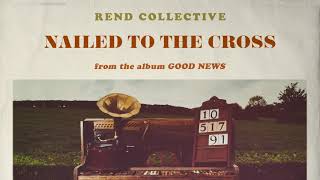
Watch the official Nailed To The Cross
music video
How the Chorus Reframes Everything
The chorus carries the song’s central image: nailed to the cross
. That phrase compresses a whole theology into a few words. It means sin has been dealt with at Calvary, not carried forever by the believer.
The next image, healed by the scars
, adds another layer. The song ties Christ’s wounds to the believer’s restoration. That makes the chorus more than a statement about forgiveness. It is also about healing, freedom, and new life.
By the time the chorus reaches bear no more
and then bursts into praise, the emotional movement is complete. The song starts with accusation and ends in worship. That progression is the point: guilt is not only removed; it is replaced by gratitude.
The Story Moves From Battle to Confidence
Even though this is a worship song, it has a clear narrative flow. It unfolds in three stages:
- Present struggle: regret, doubt, shame, and spiritual attack feel immediate and personal.
- Return to Calvary: the singer responds by looking again to the cross.
- Future assurance: the final verse looks ahead to standing before God without fear.
That last movement is especially important. The song is not satisfied with present comfort alone. It looks toward final vindication, when Christ will be the believer’s defense. In other words, the message is not just “they feel better now.” It is “their standing before God is secure.”
Cross, Scars, Throne: The Song’s Key Symbols
Several repeated images carry the message.
Calvary as the turning point
When the lyric returns to Calvary, it presents the cross as both the place of suffering and the place of victory. The phrase hell's defeat
is blunt and dramatic. It frames the crucifixion not as loss, but as the decisive moment where evil is overthrown.
The throne as final safety
Near the end, the song imagines the believer before God’s throne. That could be a frightening image in many songs, but here it becomes peaceful. Why? Because the singer believes Christ stands in their place. The image turns judgment into welcome.
Scars as healing
The use of scars is also striking. Scars usually suggest pain that remains visible. Here, they become proof that healing has been purchased. The song transforms a symbol of suffering into a sign of mercy.
Why the Sound Supports the Message
Part of the meaning of Nailed To The Cross Rend Collective comes from how it sounds. Rend Collective often build songs for congregational singing, and this one likely follows that pattern: steady rhythm, a memorable chorus, and a lift in intensity as the song progresses.
That musical rise matters. The verses feel reflective, almost like private spiritual self-talk. Then the chorus opens outward, giving a group of singers something bold and shared to declare together. The repeated praise lines function like release valves; the more the song names guilt, the more strongly the music pushes toward freedom.
Interpretation: This is why the song can feel emotionally cleansing in a church setting. Its structure lets listeners move from confession to confidence without losing the seriousness of sin.
A Song of Doctrine, but Also of Daily Survival
One reason the song works is that it is deeply theological without sounding academic. It includes ideas like justification, atonement, spiritual warfare, and final judgment, but it expresses them in everyday language. A listener does not need formal training to grasp the point.
That practical quality is captured in the idea of speaking truth back to the self. The song suggests that faith is not only about a one-time conversion moment. It is also a daily act of remembering. When shame returns, the answer is not invention, but repetition of the gospel story.
It is finishedsin is vanquishedHallelujah, praise the Lord
This short bridge is the song at its most direct. It strips the message down to victory and praise. No extra explanation, just the core claim: the battle has already been decided.
The Lasting Takeaway
In the end, the meaning of Nailed To The Cross Rend Collective is about trading self-accusation for Christ-centered assurance. It tells listeners that shame may be real, but it is not ultimate. The cross is ultimate.
That is why the song feels both pastoral and triumphant. It meets people in regret, then leads them toward freedom, worship, and hope for the future.
Disclaimer: This interpretation is based on the lyrics provided, the song’s worship context, and Rend Collective’s broader style. As with any song, listeners may hear personal meanings that go beyond this reading.







