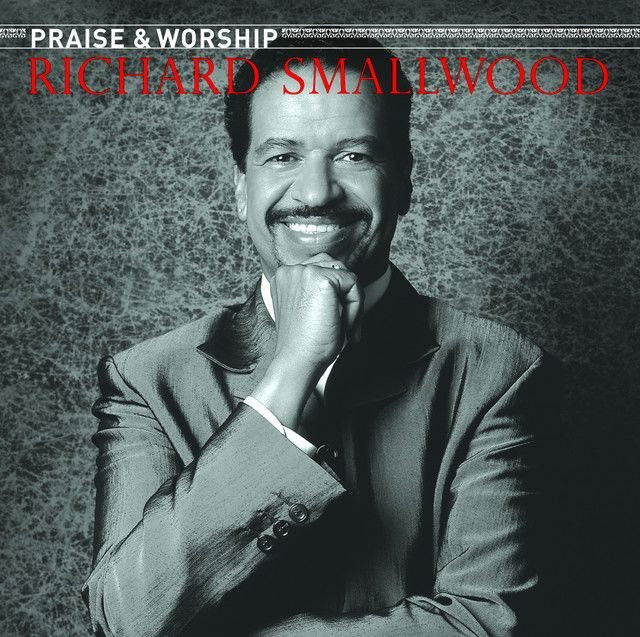
Why "Total Praise" Still Lifts People Up
The meaning of Total Praise Richard Smallwood comes into focus when listeners hear how little the song tries to hide. It does not argue, explain suffering, or promise an easy fix. Instead, it makes a direct turn from trouble toward trust.
"Total Praise" - Richard Smallwood
Knowing my help is coming from You
Your peace, You give me in time of the storm
Loading lyrics...
Unable to load lyrics
We're unable to display the lyrics at this time. Please try again later.
Written by Richard Smallwood and first recorded by Richard Smallwood with Vision on Adoration: Live in Atlanta in 1996, the song has become one of his best-known works in modern gospel music. According to reporting collected by Wikipedia, Smallwood said he wrote it while caring for his mother, who had dementia, and while a family friend was dying of cancer. He described trying to write a self-pitying song before feeling led toward praise instead.
A Song About Trust Under Pressure
At its core, this is a song about depending on God when life feels unstable. The opening idea points upward and outward, using the phrase lift mine eyes
to echo Psalm 121. In plain terms, the singer is searching beyond the present crisis for help.
The next step is even more important. The song does not leave help undefined. It says that help is coming from God, then names God as source of my strength
. That shift matters because it turns a vague hope into a personal confession.
Interpretation: This is why the song feels so strong in difficult moments. It is not celebrating after the storm has passed. It is praising in the middle of it.

Watch the official Total Praise
music video
From Fear to Surrender
The emotional movement is simple but powerful:
- They look up for help.
- They remember where peace comes from.
- They name God as strength.
- They respond with worship.
That final response arrives in the phrase total praise
. The wording suggests more than a quick thank-you. It points to complete surrender: mind, body, voice, and emotion offered back to God.
This is also why the image of raised hands matters. The song describes worship physically, not just mentally. In many Black church traditions, lifted hands can signal praise, dependence, grief, release, and joy all at once. Smallwood packs all of that into a few lines.
The Psalm Behind the Lyrics
One reason the song resonates so widely is its biblical grounding. Smallwood has connected it to Psalm 121, a passage about looking to the hills and receiving help from the Lord. That scriptural base gives the lyric a sense of stability. Even when the song is deeply personal, it sounds communal and timeless.
The phrase time of the storm
broadens the message. A storm can mean illness, grief, fear, depression, family strain, or spiritual exhaustion. Because the lyric stays open, different listeners can enter it with their own pain.
Interpretation: That openness may explain why the song is heard in churches, funerals, memorial services, and public tributes. It makes room for sorrow without being defeated by it.
How the Music Carries the Message
The meaning of Total Praise Richard Smallwood is not only in the words. It is also in the arrangement. Smallwood is known for blending gospel feeling with rich choral writing and classical-style harmonic movement, and this song is a clear example of that craft.
The melody rises with the lyric’s upward gaze, which helps the idea of looking beyond present trouble feel audible. The harmony then gives the song weight and warmth, especially as the choir supports the lead. Rather than sounding flashy, the music sounds anchored.
There is also a live, congregational quality to the performance on Adoration: Live in Atlanta. That setting matters. A song about dependence becomes more convincing when a choir and audience seem to carry it together. The ending repetition of Amen
turns the piece from testimony into shared agreement.
You are the strength of my life
I lift my hands
in total praise to you
Those lines form the emotional center of the song. They summarize its movement from naming God’s role to answering with worship.
Why It Endures Across Generations
The song has lasted because it is both musically elegant and spiritually direct. Wikipedia notes that it has been covered or performed by many artists and ensembles, including Destiny’s Child, Donnie McClurkin, Kanye West’s Sunday Service Choir, and performers at major memorial events. It has also appeared in moments of national mourning and tribute, including Aretha Franklin’s funeral.
That long public life says something important. People return to this song when they need language for grief that does not collapse into despair. Its theology is clear, but its emotional reach is broad.
A Gentle Final Reading
In the end, Total Praise is about choosing worship as an act of trust. It does not deny suffering. If anything, its background makes the song more moving because it came from real pain. Smallwood’s own story shows that praise here is not denial; it is resistance against hopelessness.
For many listeners, that is the song’s lasting gift. It offers a way to stand in weakness and still say that help, peace, and strength are not gone.
Disclaimer: This interpretation blends documented background with musical and lyrical analysis. As with any song, listeners may hear meanings that differ from this reading.







