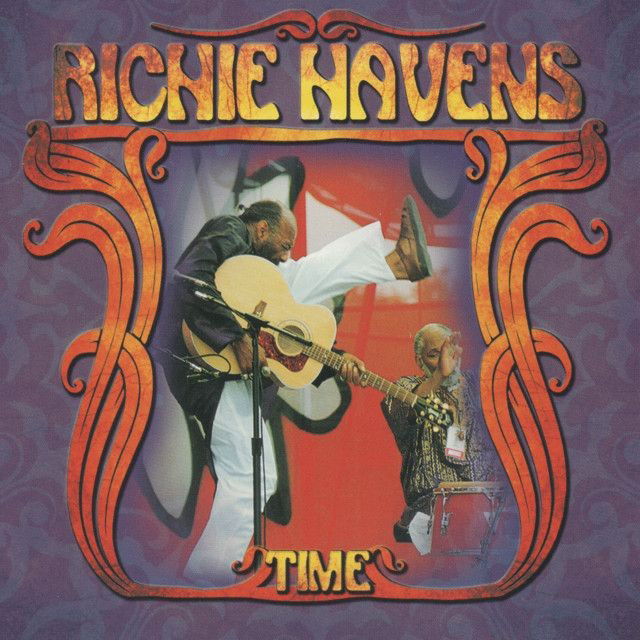
Freedom by Richie Havens
The meaning of Freedom Richie Havens starts with a word that becomes bigger every time it is sung. In performance, this song is not just about abstract liberty. It feels like a cry, a prayer, and a public gathering all at once.
"Freedom" - Richie Havens
Freedom
Freedom
Loading lyrics...
Unable to load lyrics
We're unable to display the lyrics at this time. Please try again later.
Richie Havens became strongly linked to Freedom
after his famous Woodstock performance, where his extended, improvised delivery helped make it one of the event’s defining moments. According to the Woodstock Museum and Rock & Roll Hall of Fame, Havens was the festival’s opening act and played longer than planned, which added to the song’s legend. That context matters because the performance turned the song into more than a track: it became a statement of urgency.
A One-Word Chorus With Huge Weight
At the center of the song is relentless repetition. By returning again and again to Freedom
, the lyric strips away detail and leaves pure need. They are not hearing a complicated argument. They are hearing the simplest possible demand.
Interpretation: That repetition makes the song feel collective. It sounds less like one person telling a private story and more like a crowd finding one shared voice. This is a key part of the meaning of Freedom Richie Havens: freedom is presented as something so basic that it does not need decoration.

Watch the official Freedom
music video
Borrowing a Spiritual to Deepen the Message
One of the song’s most powerful moves is its use of language from the traditional spiritual motherless child
. When the singer says they feel a long way from my home
, the song links freedom to separation, grief, and displacement.
That matters because the old spiritual already carries the pain of loss and uprooting. By weaving that feeling into Freedom
, the song connects personal sorrow to a much larger historical memory. It suggests that freedom is not only about politics. It is also about the longing to return to dignity, family, and a true sense of home.
From Isolation to Community
The song begins in loneliness, but it does not stay there. Early images suggest someone cut off from comfort and belonging. Later, the performance grows more communal, especially when it urges listeners to Clap your hands
and join in.
That shift is crucial. The song moves from pain to participation. Instead of staying trapped in suffering, the singer turns toward other people. What starts as distance becomes gathering.
The Family Imagery Matters
Late in the lyric, the singer talks about calling on brother, father, mother, and sister. There is also the striking line about telephone in my bosom
, which suggests inner access to love, memory, or faith.
Interpretation: This can be heard as a statement that even when someone is physically far from home, they still carry their connections inside. Freedom, then, is not only escape from oppression. It is also the recovery of human bonds.
How the Sound Carries the Meaning
Havens’ style is essential to the song’s power. His driving acoustic guitar, strong rhythm, and rough-edged vocal attack make the performance feel physical. They do not hear polished distance. They hear effort, strain, and conviction.
That folk-based sound is important because it keeps the song grounded in the body. The beat feels like stomping forward. The repeated phrases feel like chant. The call-and-response moments make the performance sound shared rather than solitary.
In simple terms, the production and arrangement turn meaning into motion. The listener does not just understand the word freedom; they feel pushed toward it.
Why Woodstock Changed the Song’s Legacy
Although Havens had recorded music before Woodstock, the festival fixed Freedom
in public memory. Contemporary coverage and later histories consistently point to his opening set as one of the event’s signature moments, including summaries from Britannica and the Rock & Roll Hall of Fame.
That setting shaped how many listeners understood the song. In 1969, audiences were living through civil rights struggles, the Vietnam War, and widespread distrust of institutions. In that atmosphere, a repeated cry for freedom could not sound neutral. It sounded political, spiritual, and moral at once.
Two Strong Readings of the Song
There are at least two convincing ways to hear the song:
- Social reading: It works as a protest anthem, aimed at injustice and the denial of basic rights.
- Spiritual reading: It works as a plea for wholeness, home, and connection after deep separation.
These readings do not cancel each other out. In fact, they strengthen each other. The song suggests that public freedom and private healing belong together.
The Lasting Meaning of Freedom Richie Havens
The reason this song lasts is its balance of simplicity and depth. One repeated word opens into loneliness, history, prayer, family, and solidarity. The lyrics stay spare, but the emotions become enormous.
For many listeners, the meaning of Freedom Richie Havens is this: freedom is not just permission to move. It is the opposite of exile. It is the return to voice, to community, and to self.
That is why the song still lands with force. It sounds like someone reaching out from pain and discovering that others are reaching too.
Disclaimer: This article offers interpretation based on the lyrics, performance history, and cultural context. Songs can carry different meanings for different listeners.







