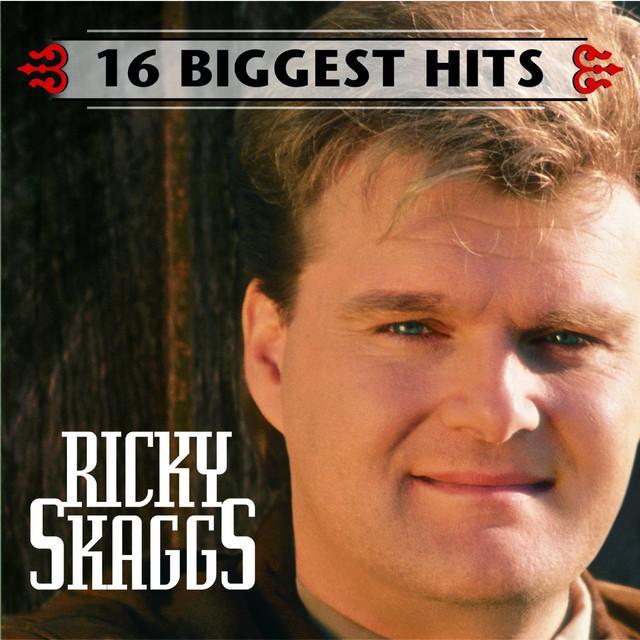
Highway 40 Blues by Ricky Skaggs
Why This Road Song Still Hits Hard
The meaning of Highway 40 Blues Ricky Skaggs centers on a painful trade: chasing success, then realizing the cost was home, peace, and time. The song tells the story of a traveler who believed the road would lead to fame and purpose. Instead, it led to loneliness, regret, and the sinking feeling that they gave up too much.
"Highway 40 Blues" - Ricky Skaggs
I've walked holes in both my shoes
Counted the days since I've been gone
Loading lyrics...
Unable to load lyrics
We're unable to display the lyrics at this time. Please try again later.
That is why the song feels bigger than a simple country travel tale. It is really about the gap between youthful ambition and adult reality. Larry Cordle wrote it, and Ricky Skaggs turned it into one of the key tracks of his 1980s run, helping define his blend of mainstream country and hard-driving bluegrass. On Billboard, the song stands as one of Skaggs' signature hits.
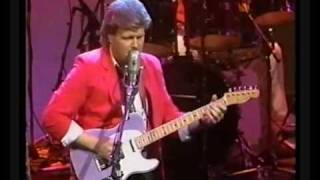
Watch the official Highway 40 Blues
music video
The Core Meaning: Dreams That Break on the Road
At its heart, the song is about disillusionment. The narrator once believed movement meant progress. The highway seemed to promise a better life, and the world beyond home looked exciting.
Early lines show that hope. The road appears to call out with promises, and signs of success seem close. But the song keeps reversing that dream. By the chorus, the phrase Highway 40 blues
is not just about being on a road in Tennessee. It becomes a name for emotional exhaustion.
Interpretation: the highway is both literal and symbolic. It is a real route, but it also stands for the music business, restless ambition, and the American idea that leaving home will automatically bring fulfillment.
How the Story Unfolds Verse by Verse
The song works because it moves in a clear emotional timeline:
- They start by measuring absence. The narrator has been gone so long they are worn down and counting the days.
- They admit mistakes. In one of the song's strongest ideas, they say they
squandered youth in search of truth
, linking idealism with loss. - They expose the false promise. The highway once suggested
fame and fortune
, but that dream now sounds hollow. - They end with homesickness. After bars, travel, and romance, they still miss where they came from.
This structure matters. The song does not present regret as a sudden shock. It shows regret as something earned slowly, mile after mile.
Homesickness Is the Real Wound
Many country songs talk about travel, but this one is really about separation. The narrator misses more than a place. They miss identity, belonging, and the simpler values they once had.
That feeling comes through when the song points toward the lights of home
. It is a small image, but a powerful one. Home is not described in detail because it does not need to be. The idea of home already carries warmth, memory, and safety.
Later, the mention of Dixieland
sharpens that ache. The song contrasts flashy rewards with rooted living. Fancy clothes, cars, and nightlife are shown as empty next to the comfort of familiar ground.
played the music halls and bars
fancy clothes and big fine cars
Yet those rewards feel hollow,
compared with the home they miss.
The point is not that success is evil. It is that success without connection can feel useless.
Sound and Performance: Why the Music Feels So Restless
Part of the meaning of Highway 40 Blues Ricky Skaggs comes from how it sounds. Skaggs was central to the 1980s new traditionalist movement, bringing bluegrass technique back into popular country. The track's brisk tempo, sharp picking, and lean arrangement create motion from the first seconds. According to the Country Music Hall of Fame, Skaggs built his career on that deep roots background.
That musical drive creates a smart contrast. The band sounds fast and lively, but the lyric is tired and heavy. The result is tension: the body is still moving, while the spirit wants to stop.
Skaggs' vocal also helps. He does not oversing the pain. Instead, he delivers the lines with control, which makes the regret feel lived-in rather than dramatic. That restraint fits the song's worldview. The narrator is not begging for pity. They are simply admitting what the road has done.
Artist Context Makes the Song Richer
Ricky Skaggs was already known as a master musician before he became a major country star. Because of that, he was the right artist for a song about the cost of life on the road. Even without a direct autobiography, his performance carries credibility. Listeners believe him because he sounds like someone who understands touring, distance, and the pull between career and home.
That context also explains the song's reception. Fans of country and bluegrass heard something familiar in it: the old tension between ambition and roots. The song speaks to musicians, truckers, dreamers, and anyone who has left home for work and wondered if it was worth it.
A Bigger Reading Beyond Country Music
Interpretation: the song can also be heard as a warning against false promises in American culture. Billboards, highways, and big dreams suggest upward motion. But the song asks what happens when the chase itself becomes a trap.
That is why the final feeling lingers. The sadness is not only about failure. It is about realizing too late that what mattered most had been behind them all along.
Final Take on Its Lasting Power
The meaning of Highway 40 Blues Ricky Skaggs lies in its honesty about ambition, regret, and homesickness. It understands that people can gain stories, money, and experience and still feel spiritually stranded.
That truth, paired with Skaggs' energetic bluegrass-country sound, is what keeps the song alive. Interpretation: this article offers one reading of the song, and listeners may hear its message differently based on their own lives.







