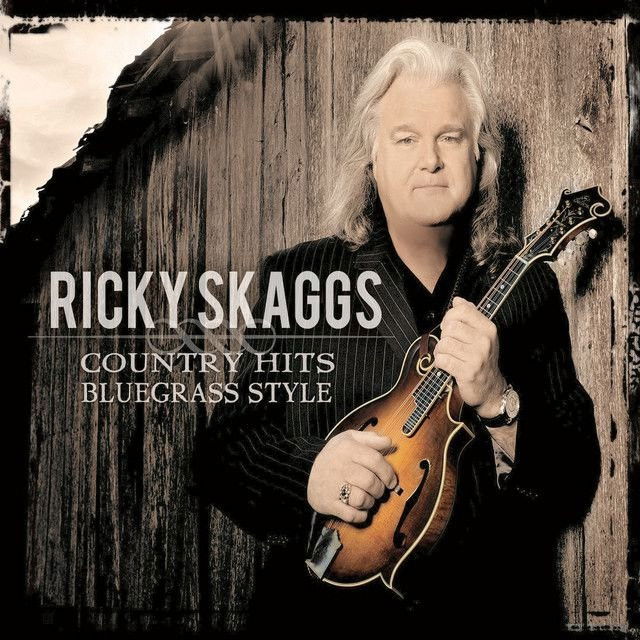
Uncle Pen by Ricky Skaggs
Why This Bluegrass Classic Still Feels Alive
The meaning of Uncle Pen Ricky Skaggs starts with memory, but it does not stop there. The song is a loving portrait of a family musician whose playing brought a whole community together. Even though Ricky Skaggs made the 1984 hit version, the song was written by Bill Monroe about his uncle and musical mentor, Pendleton Vandiver, according to Wikipedia.
"Uncle Pen" - Ricky Skaggs
To dance all night to the break of day.
When the caller would holler: "Do Si Do",
Loading lyrics...
Unable to load lyrics
We're unable to display the lyrics at this time. Please try again later.
That background matters because the song feels personal from the first verse. It is not just about a talented fiddler. It is about how music can shape a family, a region, and a young artist’s idea of home. In Skaggs’ hands, that memory becomes both a tribute and a statement about the power of bluegrass tradition.
Watch the official Uncle Pen
music video
At Its Core, the Song Honors a Musical Elder
On the surface, the song tells a simple story. People travel from far away to hear Uncle Pen play. The dances last deep into the night. His fiddle fills the hilltop and the town below. Later, the song shifts into grief when the singer remembers the day Uncle Pen died.
The emotional arc is what gives the song its staying power. First there is celebration, then admiration, then loss. When the lyric says the crowd came from far away
, it shows that Uncle Pen is more than a relative. He is a local legend. When the song describes how his fiddle could talk
and sing
, it turns music into a living voice.
Interpretation: the song suggests that true musicians do more than entertain. They speak for a community and preserve its spirit.
The Story Moves From Dance Night to Farewell
A big reason the song lands so clearly is its tight narrative. It unfolds in three easy steps:
- A dance gathering forms around Uncle Pen’s playing.
- The singer names old tunes to show his skill and status.
- The final verse remembers his death and the silence that follows.
That last turn is especially moving because the song does not become dramatic or ornate. It stays plainspoken. The line about him being called away
uses soft, respectful language for death. Then the image of hanging up the fiddle and bow gives the loss a physical shape. The instrument is no longer just wood and string; it stands for a whole life of music.
Late in the evening
about sundown
above the town
This repeating scene works like a memory picture. It places Uncle Pen in a specific landscape, almost like the singer can still see and hear him.
How the Refrain Turns Memory Into Myth
The chorus-like refrain is central to the meaning of Uncle Pen Ricky Skaggs. Each time it returns, it does two jobs at once. First, it grounds the song in place: evening, hillside, town. Second, it lifts Uncle Pen into legend through the sound of his fiddle.
The repeated image tells listeners that this was not a one-time event. It was a ritual. Families and neighbors knew what would happen when the sun went down. Music would rise over the hill and gather people together.
Interpretation: repetition here acts like oral history. The refrain sounds almost like a story passed from one generation to the next, which fits bluegrass and Appalachian folk traditions.
The Tune Names Matter More Than They Seem
One smart detail in the lyric is the mention of fiddle standards like “Soldier’s Joy” and “Jenny Lynn.” Those are not random titles. They place Uncle Pen inside an older string-band world where tunes were shared, learned by ear, and handed down in person.
By naming those songs, the writer makes Uncle Pen feel authentic and rooted in tradition. This also shows why the song means so much to bluegrass fans. It is not just praising talent in a vague way. It is praising a musician who knew the living repertoire of his people.
For listeners in the United States, especially those familiar with country and mountain music, that detail adds cultural weight. It says that memory lives in songs, and songs live in players.
Why Ricky Skaggs Was the Right Artist for It
Ricky Skaggs did not write “Uncle Pen,” but he was an ideal artist to revive it for a wider 1980s country audience. His 1984 version appeared on Don’t Cheat in Our Hometown and was produced by Skaggs himself. It became his ninth No. 1 country single and spent 13 weeks on the chart, according to Wikipedia.
That success says a lot. Skaggs was helping bring bluegrass energy back into mainstream country during a period when polished production was common. His version is quick, bright, and sharply played. At just over two minutes, it never lingers. That brisk pace matches the joy of a dance tune and the directness of a folk memory.
How the Sound Carries the Meaning
The production helps explain why the song feels so warm and vivid. The fiddle naturally stands at the center, because Uncle Pen’s identity is bound to that instrument. The surrounding string sound gives the track lift and motion, making it feel communal rather than private.
Skaggs also sings with respect instead of sadness-heavy drama. That choice matters. The performance treats Uncle Pen as someone to celebrate, not only mourn. Even in the final verse, the music keeps its forward movement. The result is a song where grief and gratitude sit side by side.
Interpretation: that balance may be the song’s deepest message. Death ends a life, but it does not end influence. Uncle Pen is gone, yet his music still rings through the people who remember him.
Final Take on Its Lasting Meaning
In the end, the meaning of Uncle Pen Ricky Skaggs is about inheritance. It honors an elder, captures the social power of old-time music, and shows how art keeps someone present after they are gone. Skaggs’ hit version keeps Bill Monroe’s tribute accessible, lively, and deeply human.
That is why the song still connects. It is about one fiddler, but it speaks to anyone who learned identity, joy, or values from an older generation.
Disclaimer: This interpretation mixes documented facts about the song’s authorship and recording history with informed reading of its lyrics and musical style. As with all art, listeners may hear it differently.








