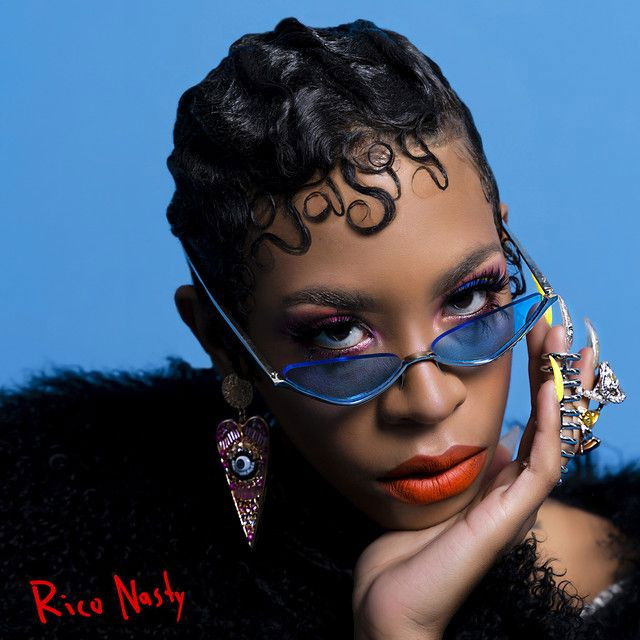
Why Rico Nasty’s “Rage” Hits So Hard
The meaning of Rage Rico Nasty starts with a simple idea: this is not just a brag rap. It is a declaration of identity. On the song, they turn anger, confidence, and chaos into a style of self-protection. The track does not ask to be understood politely. It demands space.
"Rage" - Rico Nasty
Woah
Try to steal my sauce but you can't
Loading lyrics...
Unable to load lyrics
We're unable to display the lyrics at this time. Please try again later.
Released on Rico Nasty’s 2018 mixtape Nasty, “Rage” arrived during the period when they were becoming one of rap’s most distinctive voices. Critics later placed the song among 2018’s standouts, and that makes sense. It captures the mix that made Rico famous: sweetness, menace, humor, fashion, and explosive force all in one performance.
More Than Anger, It’s a Personal Brand
At the core, “Rage” is about refusing comparison. The opening line makes that clear right away, and the rest of the song keeps building on that refusal. When Rico boasts that others cannot copy their style, the point is bigger than flexing. They are defending originality in a rap scene where image and sound get borrowed fast.
Short phrases like steal my sauce
and we are not the same
frame the song’s main conflict. Rico presents themself as an artist others want to imitate, but can’t fully become. That idea connects to their larger creative identity, including the “sugar trap” approach they have described as both a sound and a way of life
.
Interpretation: the song treats rage as armor. Instead of sounding wounded by envy, they turn pressure into performance. The aggression becomes proof of self-worth.

Watch the official Rage
music video
The Voice in the Song Is Always on Guard
“Rage” is written in a strong first-person voice, but its target shifts. Sometimes Rico speaks to rivals. Sometimes they speak to the room around them. Sometimes it feels like they are talking to anyone who mistakes loudness for weakness.
That is why the threats, insults, and status claims matter beyond shock value. They create a world where respect must be defended at all times. Even casual scenes, like walking into a party or sitting in traffic, feel tense. Rico moves through public space like someone expecting challenge, and ready for it.
A Quick Map of the Song’s Motion
- They open by rejecting comparison.
- They claim a style others want but cannot copy.
- They move into scenes of money, parties, and attention.
- They answer disrespect with hostility and warning.
- The hook turns all of that into a group identity: people who
be ragin'
.
That last step matters. The song stops being only about one person and becomes a tribe anthem.
The Hook Turns Chaos Into Community
The chorus is repetitive on purpose. When Rico keeps circling back to bad bitches who be ragin'
, they reduce the song to its purest idea: rage is not only an emotion, but a shared energy.
This is one reason the track feels bigger than its verses. The hook sounds almost like a chant at a live show. It invites listeners who feel shut out, underestimated, or mocked to join a louder identity. Rico has often been described as an icon for outsiders, and “Rage” fits that image perfectly.
Rage, ragin', ragin', rage
Bad bitches who be ragin'
In that small refrain, the song strips away plot and leaves only momentum. Interpretation: rage becomes liberation. It is messy, but it is also bonding.
Threats, Fashion, and Power Symbols
The lyrics pile up images of status and force. Shoes, designer labels, money, smoke, parties, and weapons all flash by quickly. These details are not random. They show power in visible form.
Fashion especially matters in Rico Nasty’s music. Their image has long mixed punk attitude with bold streetwear, so a line about expensive shoes or Balenciaga is not just materialism. It signals control over appearance. In a song about refusing imitation, style itself becomes evidence.
The violence in the lyrics should also be read carefully. Much of it works like exaggeration in battle rap: a way to project danger, not a literal report. The point is intimidation. Rico wants rivals to feel that any disrespect could come back harder.
How the Production Explains the Meaning
The meaning of Rage Rico Nasty is impossible to separate from the sound. Rico’s art often blends trap with punk and metal energy, and “Rage” is a sharp example of that mix. Their delivery is clipped, raspy, and explosive, pushing the beat instead of just riding it.
Pitchfork once wrote that Rico “embodies” rage through scream-rap intensity, and that insight helps here. On this track, anger does not live only in the words. It lives in breath, repetition, and attack. The beat leaves room for those bursts, so each phrase lands like a shove.
This also connects to Rico’s “sugar trap” concept. Critics have described that style as both melodic and abrasive, soft and gruff. “Rage” leans hard into the abrasive side, but the hook is still catchy enough to stick. That contrast is a big reason the track works: it feels raw without losing replay value.
Why the Song Still Resonates
Part of the song’s staying power is cultural timing. In 2018, Rico Nasty was moving from underground buzz to wider recognition, and “Rage” sounded like a mission statement. It said they would not smooth out their edges to fit into safer rap trends.
It also still resonates because it captures a real emotional need. Many listeners do not hear “Rage” as mindless hostility. They hear a release valve. The song offers a fantasy of total confidence in a world that often rewards imitation and punishes difference.
Final Take on “Rage”
So, what is “Rage” about? At its heart, it is about defending individuality by being louder, stranger, and harder to control than the people trying to box you in. Rico Nasty turns anger into style, style into power, and power into community.
That is the lasting meaning of “Rage”: not rage for its own sake, but rage as identity.
Disclaimer: This interpretation is based on the lyrics, performance, and available artist context. As with any song, listeners may hear different meanings in it.








