Why "Seagull" by Ride Still Soars
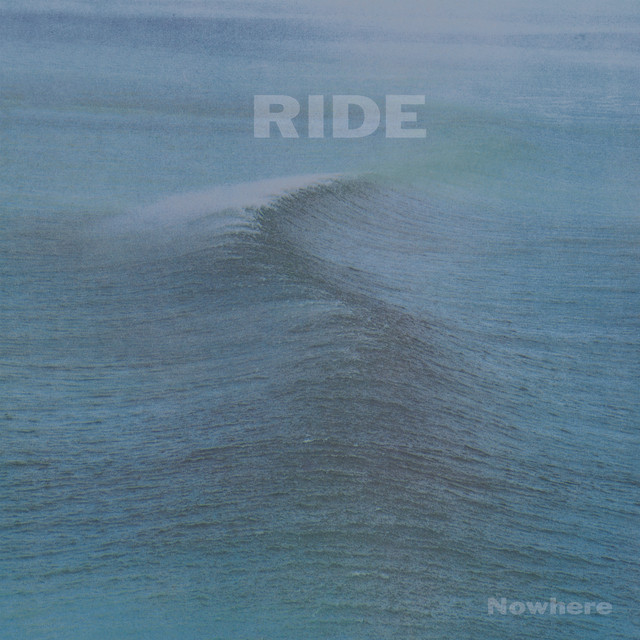
Ride opened their debut album Nowhere with "Seagull," and that placement matters. The song feels like a mission statement: bruised, dreamy, and strangely triumphant at once. For listeners searching for the meaning of Seagull Ride, the core idea is a painful break from someone who once inspired wonder but now feels limiting.
"Seagull" - Ride
My throat is dry, I cannot speak
My words are dead
Loading lyrics...
Unable to load lyrics
We're unable to display the lyrics at this time. Please try again later.
The lyrics move from weakness into lift-off. At first, the speaker is exhausted and unable to communicate. By the end, they have found a new height and a new view. That arc gives the song its power.
A breakup song, but not a simple one
On the surface, "Seagull" sounds like the aftermath of a damaged relationship. The opening images are physical and immediate: my body weak
and I cannot speak
. Those short details suggest more than sadness. They make heartbreak feel like illness, as if emotional pain has entered the body.
Then the song looks back at what that other person once gave them. The line about a waking dream
captures enchantment without making it last. The relationship once expanded their world, but now the bond has burned out. When the speaker says things are falling away, the image turns what used to be alive into remains.
Interpretation: this is less about one argument than about the collapse of a whole way of seeing. The speaker is not only mourning a person. They are mourning a former self.

Watch the official Seagull
music video
When words fail, feeling takes over
One of the most striking ideas in "Seagull" is its distrust of language. The song says definitions can trap thought, and that words do not fully fit what the mind feels. That matters because the speaker starts in silence and strain, with words are dead
landing like a personal defeat.
This gives the track a bigger emotional reach than a standard breakup song. It becomes a song about the limits of explanation. They seem to suggest that some emotional states are too large, too messy, or too dreamlike to pin down with neat labels.
That idea also fits Ride’s style. As a key shoegaze band in the early 1990s, they built songs where texture often says as much as the lyrics do. In that sense, "Seagull" is not just telling listeners that language fails. It is proving it by leaning on sound, repetition, and atmosphere.
The title image explains the emotional turn
The title points listeners toward flight, distance, and vantage point. A seagull is not a delicate symbol. It is common, restless, and built for wind. That makes it a good image for survival rather than purity.
Midway through the song, the emotional balance shifts. The person who once held power is now the one who has fallen, summed up in you burned your wings
. The speaker, in contrast, rises above that wreckage. This reversal is the key to the meaning of Seagull Ride.
Now it's your turn to see me rise
Above your head
This brief passage turns grief into defiance. The speaker is no longer trapped in weakness. They want the other person to witness their transformation.
Ashes, feathers, and wings
The song keeps returning to light, fragile things that fall or float. Feathers suggest softness, but also loss. Ashes suggest destruction after fire. Wings suggest freedom, but burned wings suggest overreach and failure.
These symbols work together in a clear sequence:
- The speaker begins depleted and scattered.
- The old relationship is reduced to remains.
- The other figure falls through pride or damage.
- The speaker claims the sky.
Interpretation: there may be a subtle warning here about dependence. The person who once gave the speaker vision may also have shaped the imbalance that hurt them. Rising above that person becomes a way to reclaim identity.
How Ride’s sound deepens the meaning
The music matters as much as the lyric sheet. Ride were part of the shoegaze wave covered by AllMusic, and "Seagull" shows why that label stuck. The guitars wash outward in bright distortion, while the rhythm section keeps the song moving with force instead of drift.
That mix creates a useful tension. The lyrics describe weakness, dead words, and collapse. But the arrangement does not sound passive. It surges. The drums push forward, the guitars shimmer and roar, and the vocal sits inside the storm rather than above it.
This is why the ending feels earned. The song’s sonic lift mirrors the lyric’s upward motion. Even before listeners fully parse the words, the track gives them the sensation of breaking through heaviness into air.
More than one valid reading
There is a strong relationship reading, but it is not the only one. "Seagull" can also be heard as a song about artistic frustration. The complaint that language is clumsy may reflect a writer or musician struggling to express inner life through ordinary speech.
Another possible reading is psychological. The fallen figure could be a past self rather than another person. In that version, the speaker begins stuck in collapse and ends by seeing themselves from a new height.
Both readings fit because the song stays suggestive instead of overly literal. That openness is part of why it lasts.
Why "Seagull" remains a defining Ride song
For many fans, "Seagull" endures because it captures a classic shoegaze tension: emotional blur mixed with emotional force. It is hazy, but not vague. It is hurt, but not defeated.
The meaning of Seagull Ride comes down to movement from damage to perspective. The speaker starts with a broken voice and ends with a wider horizon. Whether listeners hear a breakup, a rebirth, or an artistic awakening, the song makes the same promise: pain does not get the last word.
Disclaimer: This interpretation is based on the lyrics, the recording, and available band context. As with many Ride songs, some meaning remains open to the listener’s own reading.







