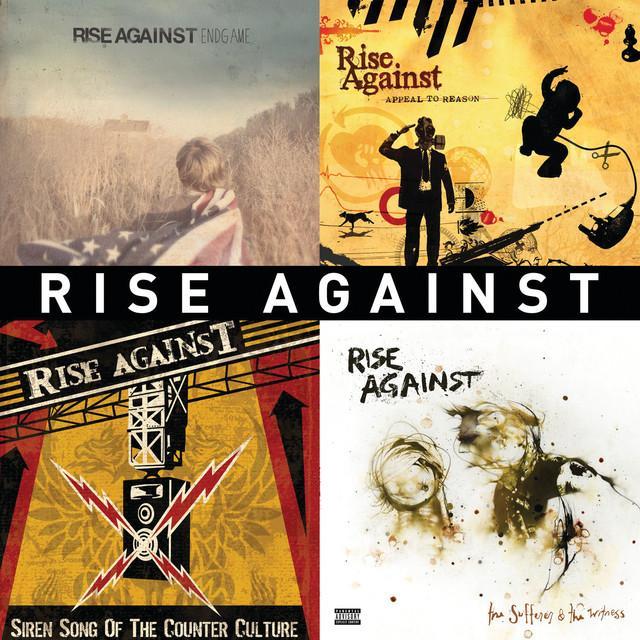
Prayer Of The Refugee by Rise Against
The meaning of Prayer Of The Refugee Rise Against centers on displacement, anger, and survival. The song tells a story that begins with memory and ends with resistance. It speaks from the point of view of people who have lost home, safety, and trust in those with power.
"Prayer Of The Refugee" - Rise Against
And the morning will come soon
I'll tell you stories of a better time
Loading lyrics...
Unable to load lyrics
We're unable to display the lyrics at this time. Please try again later.
Rise Against have long mixed punk energy with political themes, and this track is one of their clearest examples. Released on The Sufferer & the Witness in 2006, the song helped define the band’s activist image in the mid-2000s. According to the band’s album credits and discography sources, it was written by Tim McIlrath, Brandon Barnes, Joe Principe, and Chris Chasse and released during a period when Rise Against were gaining major mainstream attention.
A Story That Starts by the Fire
The opening is quiet in its imagery, even if the music soon turns sharp. A parent figure speaks to a child and recalls a lost home. The line about better time
points to memory, but it is not simple nostalgia. It suggests a life that was stable before exile.
That matters because the song frames refugee experience as personal first, political second. Before the anger arrives, there is grief. They remember having a home and a life that felt secure. Then that life is gone.
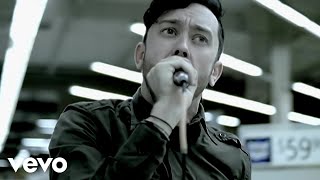
Watch the official Prayer Of The Refugee
music video
When Memory Turns Into Protest
The middle of the song shifts from one family’s pain to a collective voice. The lyrics move from “I” and “we” in a way that widens the message. What starts as a private story becomes a social accusation.
Phrases like angry and the desperate
and hungry, and the cold
do not just describe hardship. They group displaced people with the poor and ignored more broadly. Interpretation: this is why the song can be read as both a refugee narrative and a class-conscious protest song.
The most pointed lines target comfort and privilege. The people in power sleep safely while others struggle to survive. That contrast gives the song its moral force. It is not asking for pity. It is exposing unequal lives.
The Chorus Rejects Empty Help
The chorus is the emotional engine of the song. When the singer insists, I can stand my own ground
, they are not saying they never needed anyone. They are saying promised help has failed too many times.
The next idea, You will let me down
, makes that mistrust explicit. The song’s anger is aimed at unreliable institutions, political leaders, and maybe even comfortable bystanders who offer sympathy without risk. Instead of begging for rescue, the speaker chooses defiance.
Interpretation: that is the heart of the title. The “prayer” in this song does not sound gentle or passive. It sounds like a demand to be seen and a refusal to stay silent.
The Images of Ruin Also Point Forward
Later lines bring in destruction: broken glass, ashes, and loss. These details show a world already damaged. But the song does not stay there.
The turn comes when the lyrics urge movement and voice. The image of Broken windows and ashes
guiding the way is bleak, yet it also suggests that ruin has become proof. The survivors know what happened, and they will not pretend otherwise.
Keep quiet no longer
We'll sing through the day
This short moment matters because it changes the song from endurance to action. Silence ends. Grief becomes testimony.
How the Sound Carries the Message
Musically, “Prayer of the Refugee” hits with fast drums, tight palm-muted guitar in the verses, and a huge chorus release. That contrast mirrors the lyrics. The verses feel controlled, almost restrained, like history being told carefully. The chorus bursts open like anger that can no longer be contained.
Tim McIlrath’s vocal performance is key. He pushes his voice hard, giving the refrain a cracking urgency. The band’s melodic hardcore style lets them balance clarity and aggression, which helps the song sound both singable and confrontational.
This matters for meaning. If the song were softer, it might feel like reflection alone. Because it is loud, driving, and tense, it becomes a rallying cry.
Artist Context Makes the Theme Clearer
Rise Against built their reputation on songs about injustice, war, animal rights, and social responsibility. That broader context supports the reading here. Even without a direct statement attached to every lyric, the band’s body of work makes it clear they were interested in structural inequality, not just personal heartbreak.
The song’s music video also reinforced that message by focusing on labor exploitation and consumer comfort. That visual choice pushed listeners to connect refugees, workers, and the global systems that benefit from hidden suffering. Interpretation: the band seem to frame displacement not as an isolated tragedy, but as part of a larger pattern of abuse and neglect.
Why the Song Still Lands
The meaning of Prayer Of The Refugee Rise Against still resonates because its target is larger than one event. The song speaks to anyone pushed aside, talked over, or used by people who remain safe from the damage. It honors memory, but it does not live there. It turns memory into resistance.
That is why the track remains one of Rise Against’s signature songs. It combines a human-scale story with a wider political charge. They begin with a child by a fire and end with a crowd refusing silence.
In that sense, the song’s final effect is both sad and energizing. It mourns what was lost, but it also insists that the displaced are not powerless.
Disclaimer: This interpretation is based on the lyrics, the band’s public image, and the song’s musical context. Like most art, the song can support more than one valid reading.









