What Makes 'Santa Baby' So Playfully Sharp?
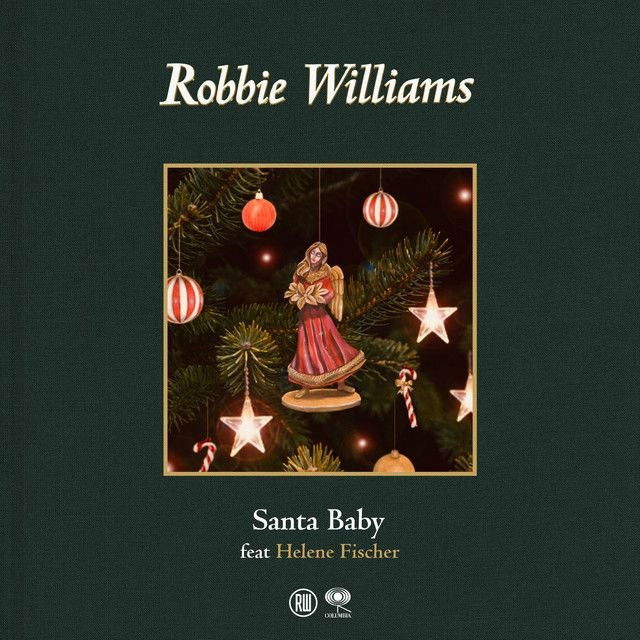
The meaning of Santa Baby Robbie Williams, Helene Fischer starts with a joke that is smarter than it first appears. On the surface, it is a glittery Christmas song about asking Santa for expensive gifts. Under that surface, though, it plays with desire, status, seduction, and holiday consumer fantasy.
"Santa Baby" - Robbie Williams ft. Helene Fischer
For me
Been an awful good girl
Loading lyrics...
Unable to load lyrics
We're unable to display the lyrics at this time. Please try again later.
Robbie Williams and Helene Fischer did not write the song; it was originally written by Joan Javits, Philip Springer, and Tony Springer, and first made famous by Eartha Kitt in 1953. That history matters because the song has long lived in the space between flirtation and satire. Their version keeps that spirit, but presents it with polished, big-stage charm.
A Christmas List That Is Really a Character Sketch
The song’s central trick is simple: the singer keeps asking for more and more. They want luxury, property, jewelry, and status symbols, not just seasonal warmth. When the lyric asks for a '54 convertible
or even a platinum mine
, it is not aiming for realism. It is building a persona.
That persona is playful, calculating, and self-aware. They know these demands are absurd, and that is why the song works. The humor comes from the gap between the soft, cozy Christmas setting and the outrageous shopping list.
Interpretation: Rather than pure greed, the song often feels like performance. They are acting out a fantasy of glamour, using Santa as the perfect audience because he represents unlimited giving.

Watch the official Santa Baby
music video
Why the Flirtation Matters So Much
The song is not just about objects. It is about the tone used to ask for them. Phrases like Santa baby
and Santa cutie
make the whole exchange sound teasing and intimate. That is the real engine of the song.
By using pet names and a persuasive voice, the narrator turns a gift request into a kind of holiday seduction. They are not only asking for things; they are selling a mood. Even the repeated idea of hurrying down the chimney turns Santa into a romantic or glamorous visitor, not only a mythical gift-giver.
This is why the song has always felt a little mischievous. It bends the innocence of Christmas toward adult wit without becoming dark or mean.
The Hidden Theme: Desire as Holiday Theater
One of the sharpest lines in the song points to what has been missed and what could still be gained. When the narrator hints at all the fun they have not had, they frame virtue as a bargain. Being good is treated less like morality and more like strategy.
That is a key part of the song’s meaning. It turns reward into negotiation. The singer suggests they have earned luxury, and if they have not, they are still charming enough to ask for it anyway.
Think of all the fun I've missedNext year I could be just as good
Those two lines, taken together, show the wink at the heart of the lyric. Good behavior is presented as flexible. The song knows that Christmas stories often link goodness with reward, and then it playfully stretches that idea until it becomes comic.
Robbie and Helene’s Version: Classy, Bright, and Knowing
Robbie Williams has built much of his career around showmanship, swing-pop style, and a slightly cheeky persona, as heard across projects like Swing When You're Winning and his seasonal releases on his official site. Helene Fischer is known for polished crossover pop and major live performance appeal, reflected on her official website. Together, they fit this song because both artists are comfortable making performance itself part of the message.
In a duet setting, the song can feel less like one character’s private plea and more like a shared holiday spectacle. That changes the energy. It becomes lighter, more social, and more knowingly theatrical.
Factual context: the song itself is a holiday standard with a long performance history, documented by sources such as the Songwriters Hall of Fame profile for Philip Springer and major music references like AllMusic.
How the Sound Supports the Meaning
The production style usually matters a lot with "Santa Baby." The song works best when the arrangement feels elegant rather than heavy. Soft swing rhythms, brushed percussion, warm brass or piano, and a relaxed tempo help the lyric land as witty instead of harsh.
That musical setting creates an important contrast. The narrator asks for huge things, but the sound stays smooth and festive. Because the music feels sophisticated, the material comes off as playful camp rather than selfish complaint.
In versions by performers like Williams and Fischer, vocal delivery is everything. A sly pause, a smile in the voice, or an extra bit of phrasing can communicate that they are in on the joke. That is what keeps the song charming.
Consumer Fantasy Under the Mistletoe
There is also a broader cultural meaning here. "Santa Baby" emerged in postwar America, when luxury goods, upward mobility, and glamorous consumption were becoming part of popular fantasy. Asking for a car, jewelry, and property reflects that world.
So while the song is festive fun, it also captures a deeper truth about Christmas in modern pop culture: the holiday often blends emotion and shopping. Love, reward, status, and gifts get wrapped together.
Interpretation: That does not mean the song is condemning Christmas materialism outright. It may be doing something more playful—showing how desire itself becomes part of the season’s performance.
The Lasting Meaning of Santa Baby Robbie Williams, Helene Fischer
The meaning of Santa Baby Robbie Williams, Helene Fischer is not simply that someone wants expensive presents. It is that the song turns wanting into a stylish act. It uses flirtation, exaggeration, and glamour to show how desire can sound funny, charming, and a little dangerous at the same time.
That is why the song lasts. Beneath the tinsel, it understands something true: holiday songs are rarely just about snow or gifts. They are often about fantasy—who they want to be, what they think they deserve, and how beautifully they can ask for it.
Disclaimer: This interpretation is based on the lyrics, performance style, and cultural context. As with any song, listeners may hear its meaning differently.









