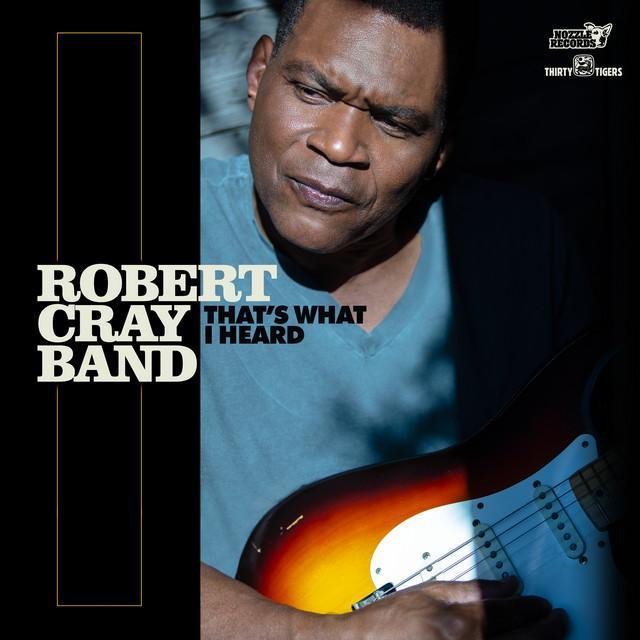
Anything You Want by Robert Cray
Robert Cray’s “Anything You Want” sounds simple on first listen, but its emotional pull comes from a tension at the center of the song: devotion mixed with limits. For anyone searching for the meaning of Anything You Want Robert Cray, the core idea is this: the narrator is willing to change, compromise, and prove their love, but they draw one firm line. They do not want to run away from their life. They want love and stability to happen where they are.
"Anything You Want" - Robert Cray
If you're diggin' having me around
I'll do anything you want me too
Loading lyrics...
Unable to load lyrics
We're unable to display the lyrics at this time. Please try again later.
That matters because Robert Cray often writes and sings with a grounded emotional realism. Across his blues and soul-influenced catalog, including work recognized by the Recording Academy, he tends to focus on adult relationships, regret, and self-awareness rather than fantasy. This song fits that strength well.
A Love Plea With One Boundary
The opening promise is direct: the speaker says they will do almost anything to keep this relationship close. Phrases like anything you want me to
make the devotion sound broad and serious. But the song quickly adds a condition. The repeated refusal to leave this town
shows that love, for this person, cannot require total uprooting.
That contrast gives the song its shape. It is not just a romantic promise. It is a negotiation. The narrator offers commitment, presence, and flexibility, but not self-erasure.
Interpretation: this makes the song less like a blind love song and more like a mature statement about what healthy commitment should look like. They are not saying no to love. They are saying no to the idea that love must always mean escape.

Watch the official Anything You Want
music video
The Speaker Knows They Have Caused Damage
Another key part of the meaning is the speaker’s honesty about past mistakes. They admit they have messed up your life
before and know there is a price to pay
. That changes the song’s emotional tone.
Without those lines, “Anything You Want” could sound like simple pleading. With them, it becomes an apology wrapped inside a promise. The narrator is not trying to act innocent. They know trust has been hurt, and they know repair takes more than words.
This is where Cray’s writing stands out. He often gives his narrators enough self-knowledge to sound human. The speaker does not just want affection; they want another chance after failure. That gives the song a weary, adult texture.
Why “This Town” Matters So Much
The phrase leave this town
is the most important image in the song. On the surface, it is literal. Someone may be asking the narrator to move away, start over, or physically leave their surroundings.
But it also works as a symbol. “Town” can stand for history, identity, and consequence. If the speaker leaves, they may also be leaving behind accountability, routine, and the place where real repair has to happen.
Interpretation: staying in town may represent a desire to grow up instead of running. The line suggests that lasting love is not built by disappearing from problems but by facing them in familiar ground.
That is why the song’s repeated longing to settle down
feels so important. The narrator is not chasing drama. They want peace, steadiness, and a shared life that stops moving in circles.
How the Song Moves From Desire to Stability
The emotional arc is subtle but clear. It moves through three stages:
- A strong declaration of willingness.
- An admission of past harm.
- A wish for calm, lasting connection.
That final goal comes through in the hope that neither person has to stay sad or restless.
Don’t ever want to get ya sadYou and meneed to settle down
Those lines are simple, but they carry the song’s deepest wish. The speaker is no longer talking only about desire. They are talking about emotional shelter.
What the Sound Adds to the Meaning
Robert Cray’s style helps this message land. He is best known for blending blues with soul, R&B, and smooth, clean electric guitar phrasing, as heard across his official catalog on Robert Cray’s site. Even without over-singing, he can make regret sound intimate.
In a song like this, that approach matters. A controlled groove and restrained vocal delivery would support the lyric’s emotional balance. If the performance were too explosive, the promise might sound desperate or manipulative. Instead, Cray’s usual musical language suggests restraint, reflection, and sincerity.
The repetition in the chorus also works like a blues device. Saying the same emotional point again and again does not flatten the meaning. It deepens it. Each return to the central promise feels like another attempt to be believed.
Two Strong Readings of the Song
There are at least two believable ways to hear the meaning of “Anything You Want.”
Reading One: A Redemption Song
In this reading, the narrator is trying to repair a damaged relationship. They know they have failed before, and now they are offering practical devotion. They cannot change the past, but they can promise constancy.
Reading Two: A Song About Limits in Love
In this reading, the song is about setting one necessary boundary. The narrator wants closeness, but they also know that giving up everything would not solve the deeper problem. Love has to fit real life, not erase it.
Both readings can be true at once, which is part of the song’s strength.
Why the Song Still Connects
The lasting appeal of “Anything You Want” is its plainspoken honesty. Many love songs promise everything. This one promises almost everything, and that difference is what makes it believable. The speaker wants forgiveness, home, and emotional peace, all at the same time.
For listeners, the meaning of Anything You Want Robert Cray comes down to a simple but powerful message: real commitment is not only about desire. It is also about responsibility, place, and knowing which sacrifices help love grow.
That makes the song tender, flawed, and human in the best way.
Disclaimer: This interpretation is based on the lyrics provided and publicly known artist context. As with many songs, listeners may hear different meanings in the same words.







