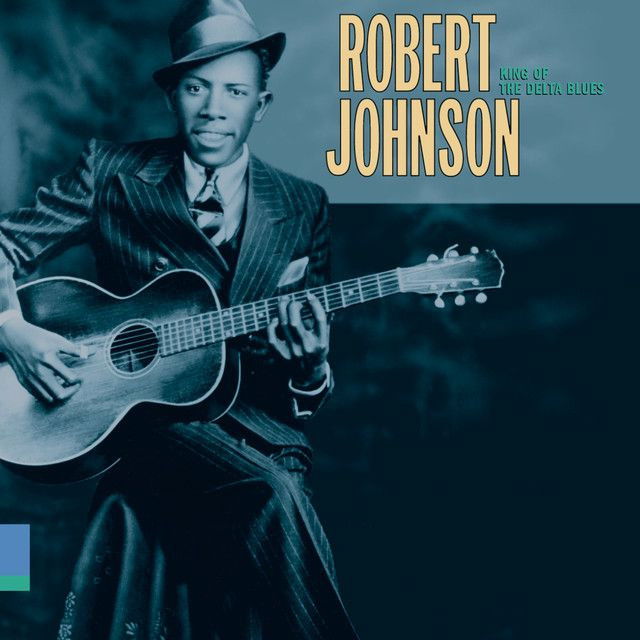
Ramblin' On My Mind by Robert Johnson
Why This Blues Still Feels Restless
The meaning of Ramblin' On My Mind Robert Johnson centers on a painful split between love and movement. The singer does not sound carefree or adventurous. They sound trapped between staying with someone they love and leaving because that relationship has turned harsh.
"Ramblin' On My Mind" - Robert Johnson
I got ramblin', I got ramblin' all on my mind
Hate to leave my baby, but you treats me so unkind
Loading lyrics...
Unable to load lyrics
We're unable to display the lyrics at this time. Please try again later.
That tension gives the song its power. In simple language, Johnson presents a person whose thoughts keep drifting toward the road, not because travel is exciting, but because staying hurts. The title phrase, ramblin' on my mind
, suggests a mind that cannot settle.

Watch the official Ramblin' On My Mind
music video
The Core Story Hiding in Plain Sight
On the surface, the story is direct. The singer loves their partner, but that partner treats me so unkind
. Because of that, they imagine departure again and again, until leaving feels almost inevitable.
This is one reason the song feels so human. The speaker is not a hero and not a villain. They are wounded, resentful, and still attached. That emotional mix is what makes the song stronger than a simple breakup song.
Interpretation: The song is about emotional conflict more than physical travel. The road matters, but mainly as a response to pain. Rambling becomes a symptom of heartbreak.
Love, Pride, and the Need to Leave
A key theme is pride. The singer does not only feel sad; they also feel humiliated. When Johnson repeats ideas about having mean things all on my mind
, he suggests anger and bitterness alongside sorrow.
That matters because blues songs often hold two feelings at once. Here, devotion and resentment sit side by side. The singer hates to leave, but they also cannot accept being treated badly forever.
There is also a gender and power angle common in early blues. The partner is described as the cause of suffering, but the singer still cannot let go easily. That imbalance gives the song its ache.
The Train Is More Than a Train
One of the song's strongest images is the station and the departing train. When the singer plans to catch the first mail train
, Johnson turns travel into a symbol of escape, urgency, and fate.
In blues tradition, trains often mean change. They can promise freedom, but they can also underline loneliness. A train leaves on schedule whether a heart is ready or not. In this song, that image makes the decision feel larger than one couple's fight.
The train also gives the song motion. Even before the singer leaves, the mind is already moving. They are halfway gone emotionally before their body follows.
How Johnson's Performance Deepens the Meaning
Robert Johnson recorded the song during the famous 1936 San Antonio sessions, documented by the Rock Hall and preserved in the Library of Congress. Like many Johnson recordings, it is spare: voice and guitar, with no band to soften the impact.
That stripped-down sound is crucial to the meaning. The guitar line feels active and unsettled, while the vocal delivery sounds intimate, almost as if the singer is thinking out loud. Johnson's phrasing bends the beat in a way that makes emotion feel immediate rather than polished.
The Sound of a Mind That Won't Rest
The guitar does not simply accompany the words. It answers them. Its quick runs and pulsing rhythm create a nervous forward motion, matching the song's urge to leave.
At the same time, Johnson's voice carries strain. Even when the lyrics point toward departure, the performance never sounds free. It sounds burdened. That contrast tells listeners that leaving will not solve everything.
A Short Lyric Moment That Says a Lot
The song's emotional center may be the moment where departure and grief happen together:
leavin' this mornin'
arm' fold' up and cryin'
These lines show that the singer's exit is not triumphant. They are not walking away coldly. They are leaving while grieving. In other words, movement does not cancel love.
Artist Context Matters Here
Johnson's work has become surrounded by legend, but the facts are strong enough on their own. He was a major Delta blues figure whose small recorded catalog had an enormous influence on later rock and blues musicians.
That context helps explain why this song matters. Johnson often sang about crossroads, desire, danger, and motion. In this track, those larger blues concerns shrink into one intimate scene: one person, one wound, one possible train out of town.
His style also blends personal confession with the floating language of traditional blues. That means the song feels autobiographical, even when it uses familiar blues phrases. Listeners hear both an individual pain and a shared cultural form.
Lasting Meaning and Alternate Readings
The meaning of Ramblin' On My Mind Robert Johnson has a clear base: someone is pushed toward leaving by mistreatment, yet they remain emotionally tied to the person they may leave behind.
Interpretation: There is also a second reading. The song can be heard as being about an inner condition, not just one relationship. Rambling may describe a personality shaped by instability, loneliness, or the broader uncertainty of blues life.
That ambiguity is part of the song's greatness. It is specific enough to hurt and open enough to travel across generations. Many listeners know what it means to stay too long, leave too late, or carry sadness with them either way.
Final Thought
Robert Johnson turns a simple situation into a lasting blues statement. Through heartbreak, train imagery, and a restless performance, they show that sometimes the hardest journey begins in the mind.
Disclaimer: This article offers an informed interpretation based on the lyrics, performance, and historical context. Song meaning can remain open to different listeners.







