Why 'Alane' Still Feels Like Pure Joy
The meaning of Alane Robin Schulz, Wes starts with a simple truth: this is a song built to make people feel connected before they fully “understand” it. In Robin Schulz’s 2020 version with Wes, the track keeps the heart of Wes Madiko’s 1997 original while updating it with sleek dance production. The result is a song that feels both nostalgic and fresh.
"Alane" - Robin Schulz, Wes
Bika mi sanga, ga minitou
Mi pa mi tcho andou mi pao yé
Loading lyrics...
Unable to load lyrics
We're unable to display the lyrics at this time. Please try again later.
Factually, the original “Alane” was released by Wes in 1997 and became a massive European hit, reaching No. 1 in countries including France, Austria, Belgium, and the Netherlands. The 2020 remake by Robin Schulz and Wes was released on June 19, 2020, and later appeared on Schulz’s album IIII (2021). It was produced by Michel Sanchez and Robin Schulz, while the song itself is credited to Wes Madiko as writer.
A Dance Song With a Human Center
At its core, “Alane” is not a plot-heavy song. It works more like a chant, a gathering call, or a loop of feeling. The repeated hook Alané mba yi wé
does not land as a detailed narrative line for most English-speaking listeners. Instead, it creates a mood of uplift and emotional pull.
Interpretation: that is the key to its meaning. Rather than spelling everything out, the song invites listeners into a shared emotional space. Its repeated phrases feel communal, not private. They sound like something meant to be sung with others, not just listened to alone.
That communal feeling is why the song travels so well across borders. Even listeners who do not speak Duala can hear the emotional intent in the phrasing, rhythm, and vocal lift.
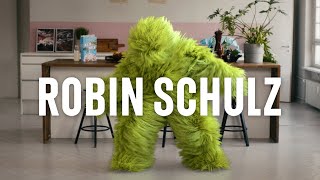
Watch the official Alane
music video
Why the Language Matters So Much
The original song is sung in Duala, a language from Cameroon. That fact matters because “Alane” is not just a dance crossover; it carries cultural texture with it. Wes did not flatten his identity to fit European pop. Instead, the song’s success came from bringing that identity into the center of a global club record.
Short phrases such as ho tou sondé
and we ya senga
work less like exposition and more like musical anchors. They repeat, circle back, and build momentum. The words feel physical in the mouth and rhythmic in the ear.
Interpretation: this gives “Alane” a meaning beyond romance or celebration alone. It suggests belonging. The song sounds like it wants to bring people into one pulse.
The Chorus Works Like a Celebration Ritual
The chorus is the emotional engine of the song. Wes keeps returning to the title phrase, and that repetition matters. Pop choruses often explain a song; this one gathers energy.
A brief section shows how the hook works by repetition and sound more than detail:
Alané mba yi wé
ho tou sondé, ho yé
Even there, the power is in the cycle. The chorus does not move the listener forward in a story. It pulls them deeper into a feeling. That is why the hook feels almost ceremonial, like a call answered by movement.
When the song later turns to phrases like wanna wéndé lambo
, it continues that same motion. The words keep the body engaged, even as the exact semantic meaning remains partly open to many listeners.
How Robin Schulz Changes the Feeling
Robin Schulz’s version keeps the spirit of the original but reshapes the frame around it. The 1997 track blended Afro-pop vocals with late-90s Eurodance energy. Critics at the time described it as a meeting of African chants and modern dance beats, and its chart run backed that up with huge sales and long stays near the top.
The 2020 remake is softer around the edges. Schulz uses a polished house-pop beat, bright synth textures, and a smoother low-end pulse. Instead of making the song feel raw or crowded, the production gives Wes’s voice more air.
That matters for meaning. The cleaner sound turns “Alane” into a memory as much as a dance track. It feels sunlit, reflective, and open. Where the original could hit like a club phenomenon, the remake also works like a tribute.
The Story Behind the Remake Adds Meaning
Robin Schulz has said he loved the original from childhood, and reports around the release noted that he connected with Wes through Warner Music before they re-recorded the song together. That context gives the remake an emotional layer beyond simple nostalgia.
Interpretation: the 2020 version is partly about musical inheritance. A younger dance producer revisits a song that shaped him, but he does it with the original artist, not without him. That makes the remake feel respectful rather than extractive.
The video supports that reading too. It featured dancers from 12 countries, turning the song into a visual statement about worldwide movement and shared joy.
Why “Alane” Endures
The lasting appeal of “Alane” comes from three things:
- Its hook is instantly memorable.
- Its rhythm feels communal and physical.
- Its emotion travels even when the listener does not know every word.
That is the clearest answer to the meaning of Alane Robin Schulz, Wes. The song is about joy that does not need over-explaining. It is about voice, repetition, and rhythm creating a bond among strangers.
In the end, “Alane” feels bigger than a standard dance single. It is a reminder that music can communicate warmth, motion, and belonging before translation catches up.
Disclaimer: This article includes interpretation. Because “Alane” works through repetition, sound, and cultural context as much as literal storytelling, some meanings remain open to listener experience.







