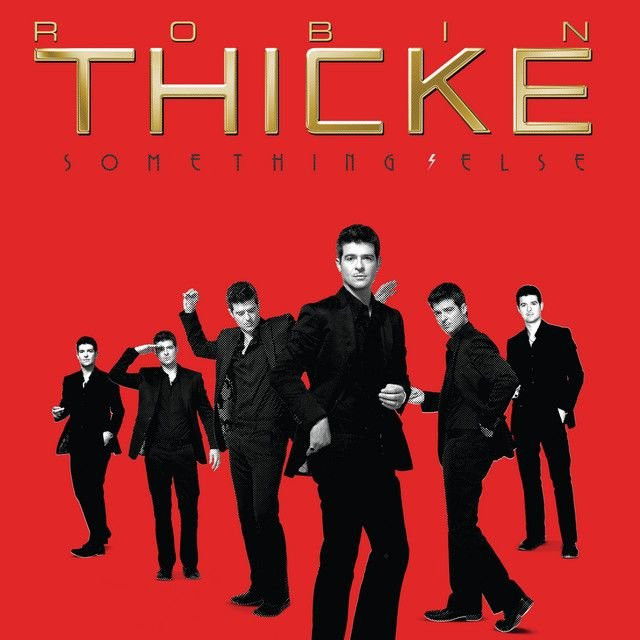
Dreamworld by Robin Thicke Meaning, Explained
Robin Thicke’s “Dreamworld” turns a simple fantasy into a broad statement about pain, hope, and disappointment. For listeners searching for the meaning of Dreamworld Robin Thicke, the song is best understood as a wish list for a better life and a better society at the same time.
"Dreamworld" - Robin Thicke
We would be one, we would be just fine
The ice caps wouldn't be melting and neither would I
Loading lyrics...
Unable to load lyrics
We're unable to display the lyrics at this time. Please try again later.
It is not only about romance or escape. It imagines a world without emotional fragility, racial prejudice, environmental decline, and avoidable tragedy. That mix gives the song its unusual shape: intimate feelings sit right beside public concerns.
A Better Planet, A Softer Heart
At the start, the singer imagines total harmony between people. The line built around you would be me
suggests empathy pushed to its limit. In plain terms, they picture a world where people understand each other so fully that conflict fades.
That same verse quickly widens into social and environmental longing. The mention of ice caps
and clean energy falling from the sky turns the dream into something bigger than private comfort. Interpretation: the song treats personal healing and global healing as connected. If the world were less broken, they might feel less broken too.
This is one of the key ideas behind the meaning of Dreamworld Robin Thicke: they are not merely daydreaming. They are building an impossible world to reveal what hurts in the real one.

Watch the official Dreamworld
music video
Why the Chorus Hits So Hard
The chorus keeps returning to dreamworld
, and that repetition matters. Rather than describing one detailed story, the song circles a single emotional need: they want a place where life finally makes sense.
The line about the real world not feeling right gives the hook its emotional center. The fantasy is not random. It is a response to alienation, disappointment, and sensitivity. When the singer says they want to live in that dream, it sounds less like childish denial and more like exhaustion.
The Hook as Emotional Shelter
Interpretation: the chorus works as a coping mechanism. Each return to the title is a small retreat from reality. At the same time, it also acts as protest. By naming the dream world again and again, the song silently judges the real one.
Personal Escape Sits Next to Social Critique
One striking part of the lyric is how easily it moves between public issues and private wishes. The singer wants to stop searching for lost time, become less sensitive, and have dependable love appear when needed. Those desires are deeply personal.
Then the song pivots back toward race and justice. The wish for no black and white
points to a world beyond racial division. The later image of moving through Mississippi without suspicious looks makes that hope concrete. It is not abstract idealism; it is about daily dignity.
Let's dream, let's dream
Dream on, dream on
That brief chant sums up the song’s method. It keeps the language simple, almost childlike, because the dream itself is basic: safety, fairness, love, and peace.
The Van Gogh and Marvin Gaye References
The song’s most memorable details may be its references to Van Gogh and Marvin Gaye. Both names bring in real histories of suffering and loss. Marvin Gaye’s death at the hands of his father is a documented fact, widely covered in biographical sources like Britannica. Van Gogh’s troubled life and posthumous recognition are also well established in sources such as the Van Gogh Museum.
By saying, in effect, that these figures should have been protected and loved, the song expands its emotional range. Interpretation: they are dreaming of a world where talent does not have to pass through cruelty, neglect, or violence. These lines are not random name-drops. They are examples of history gone wrong.
How the Sound Supports the Message
“Dreamworld” sits in R&B/soul, and that matters. The genre’s warm textures help deliver difficult ideas without making the song feel harsh. Instead of sounding like a lecture, it sounds like a confession.
The performance style is smooth and lightly floating, which fits a lyric built around imagined alternatives. The arrangement does not push panic; it creates lift. That softness lets the listener absorb lines about climate anxiety, emotional pain, and race without the song losing its tenderness.
Writers and Point of View
The songwriting credits provided here list Robin A. Thicke, Paula Patton, and James D. Gass. That collaborative frame helps explain why the song feels broad in scope. It moves between relationship language, social commentary, and spiritual wishing with unusual freedom.
The narrative voice is first person, but the effect is collective. Even when they describe private needs, the song keeps asking what a decent world would look like for everyone.
Final Take on the Song’s Meaning
The clearest reading of “Dreamworld” is that it is about longing for wholeness. The singer imagines a place where the planet is safer, race no longer divides people, art is protected, love is reliable, and emotional pain loses its grip.
That is why the meaning of Dreamworld Robin Thicke still stands out. It is both escapist and serious. The fantasy is beautiful, but it is built from real disappointments.
In that sense, the song is less about running away than about measuring the distance between the world people have and the one they wish they deserved.
Disclaimer: This interpretation is based on the released lyrics, songwriting context provided, and the song’s musical presentation. As with any song, meanings can vary from listener to listener.







