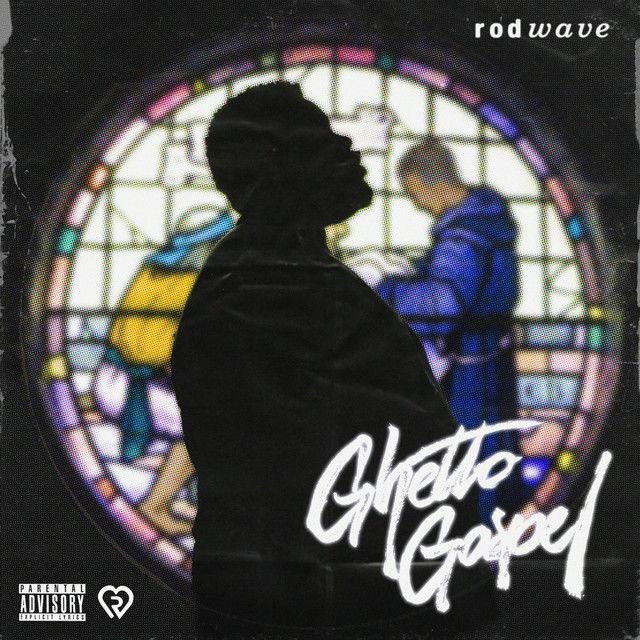
Why Rod Wave’s Pain Feels Permanent Here
The meaning of Chip On My Shoulder Rod Wave comes into focus quickly: this is a song about carrying old pain for so long that it becomes part of a person’s identity.
"Chip On My Shoulder" - Rod Wave
Remember, I was a small child, we would play
That was way before the drama I endured, and the pain
Loading lyrics...
Unable to load lyrics
We're unable to display the lyrics at this time. Please try again later.
Rather than telling one neat story, Rod Wave ties together childhood memories, family struggle, grief, and survivor’s guilt. The result feels less like a diary entry and more like a statement of emotional wear. They are not only describing what happened to them. They are showing what those events left behind.
The Heart of the Song Is Burden, Not Bragging
The phrase chip on my shoulder
can sound aggressive in everyday speech, but here it means something deeper. Rod Wave uses it as a symbol for pain, guardedness, and the constant need to keep going.
That matters because the song never presents toughness as glamorous. The lyric about being a small child
sets up innocence first, then contrasts it with the hard life that followed. In simple terms, the song argues that trauma can shape attitude long after the moment of loss has passed.
Interpretation: the “chip” is both a wound and a source of drive. It hurts them, but it also keeps them moving.

Watch the official Chip On My Shoulder
music video
Childhood Ends Early in This Story
One of the strongest parts of the song is how fast the mood shifts from youth to hardship. Rod Wave starts with play and memory, then moves into what life became after family and financial trouble. The mention of his father going to prison connects emotional loss to material struggle too.
That detail fits Rod Wave’s larger body of work, where pain and ambition often sit side by side. He is widely known for blending melody with autobiographical street narratives, a style covered by sources like Billboard and AllMusic.
Here, the line about being low on funds
does important work. It shows that the song’s sadness is not abstract. It is rooted in real instability.
Rain Becomes a Map of His Trauma
The weather imagery is the clearest symbol in the track. A mother’s warning about life bringing rain becomes, in Rod Wave’s telling, something closer to disaster. When he says it be pourin'
and then pushes that idea toward storms, he turns ordinary hardship into overwhelming force.
This is why the chorus lands so hard. It simplifies the whole song into one lesson: life did not just become difficult. It became relentless.
when it rains, it be pourin'
it would rain, but it's stormin'
Those short lines capture the song’s emotional scale. Pain is not framed as one event. It arrives in layers.
Grief Is Personal, but Also Existential
Midway through, the song becomes even heavier. Rod Wave references deaths around him and the shock of hearing warnings that proved tragically true. These moments move the track beyond memory and into spiritual confusion.
When he asks about purpose, the song stops being only about survival in a social sense. It becomes a search for meaning after repeated loss. That is a common thread in Rod Wave’s catalog, where success often fails to erase grief. According to RIAA, his commercial rise has been major, but songs like this show how little fame solves inner pain.
Interpretation: the real conflict is not whether they can make it through hardship. It is whether they can understand why so much hardship happened at all.
Why the Hook Feels So Heavy
The chorus repeats forever and ever
in spirit even before those words appear directly. Repetition matters here because it creates the feeling of emotional looping. The narrator is stuck replaying lessons, warnings, and losses.
That structure mirrors a mind that cannot fully rest. Even the image of lying in bed with thoughts repeating suggests insomnia, rumination, and unresolved grief. The hook is catchy, but not in a celebratory way. It sounds like acceptance mixed with exhaustion.
The Production Lets the Words Hurt
Rod Wave’s music often uses slow tempos, melodic vocals, and spacious production to make emotional lyrics hit harder. This song follows that pattern. The beat stays restrained, giving room to the voice and the story instead of crowding it with extra detail.
The writing credits provided for the song list Rodarius Green, Blake Slatkin, and Dylan J. Berg. That combination points to a polished but intimate approach: accessible songwriting with enough space for confession. Even without flashy production tricks, the softness around the vocal helps the grief feel immediate.
Interpretation: the production does not try to overpower the pain. It sits under it, like a quiet room where hard memories sound louder.
So What Is Rod Wave Really Saying?
The meaning of Chip On My Shoulder Rod Wave is that long-term pain changes how a person sees the world. Childhood loss, family struggle, money problems, death, and faith all pile up until they become a permanent emotional posture.
What makes the song effective is its honesty. Rod Wave does not claim to be healed. They present themselves as someone still carrying the weight, still asking questions, and still trying to leave something real in the music.
Final Thought
In the end, “Chip On My Shoulder” is less about anger than endurance. It shows how a person can turn grief into testimony, even while the storm is still going.
Disclaimer: This article offers an interpretation of the song based on its lyrics, credited writers, and Rod Wave’s broader artistic themes. Meanings can vary by listener.









