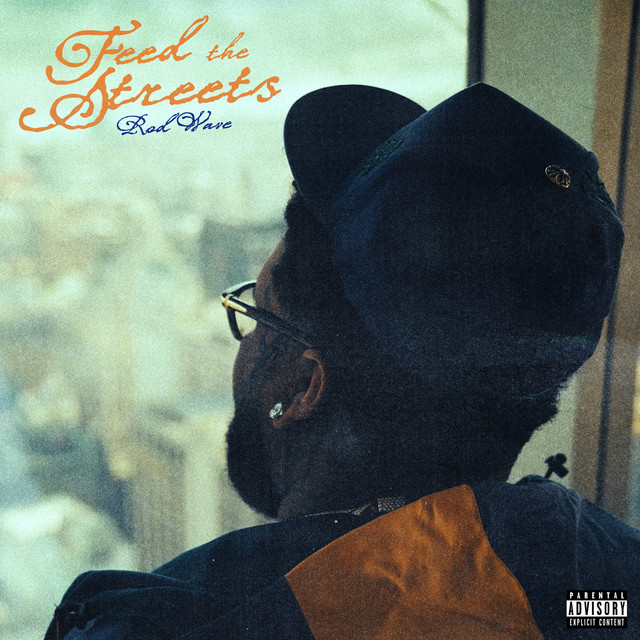
Feed the Streets by Rod Wave
Rod Wave often writes from a place where pain, loyalty, and survival all live in the same room. In “Feed the Streets,” they push that habit into a harder, more confrontational lane. The meaning of Feed the Streets Rod Wave centers on what happens when grief turns into toughness, when success brings more suspicion than peace, and when ambition starts sounding like armor.
"Feed the Streets" - Rod Wave
(What's happenin', Chi Chi?)
Look, when unc' died, I was lost, broken heart turned me soft
Loading lyrics...
Unable to load lyrics
We're unable to display the lyrics at this time. Please try again later.
Rather than telling one neat story, the song moves like a flood of memories and warnings. They jump from family loss to street danger to rap-game confidence, making the track feel unstable on purpose. That restless structure matters: it sounds like someone trying to stay ahead of pain before it catches up.
Grief Starts the Fire
The emotional key appears right away. Rod Wave ties present-day aggression to old hurt, saying a death in the family left them shaken and changed. When they describe being lost, broken
, the point is not weakness for its own sake. It shows how sorrow can harden into a survival mindset.
That opening also connects personal grief to public loss by referencing fallen figures in rap culture. Those mentions broaden the song’s world. This is not just one person mourning; it is a voice shaped by a culture where death, betrayal, and memory keep repeating.
Interpretation: the song suggests that violence and emotional shutdown do not begin as pure bravado. They begin as defense. The speaker sounds like someone who learned that softness can be dangerous once life has already taken too much.
Power, Fear, and the Need for Control
After that, the song turns openly defiant. Rod Wave presents success as something that threatens other people, especially older gatekeepers or rivals who think they should still hold power. When they say they can't be controlled
, it works as both a career statement and a street statement.
This is a major part of the meaning of Feed the Streets Rod Wave. They are not just celebrating dominance. They are explaining why dominance feels necessary. In the song’s logic, if they do not control the situation, someone else will try to exploit, trap, or hurt them.
That idea keeps returning through images of weapons, revenge, and hyper-vigilance. Even moments that should signal victory, like making millions, do not sound joyful. They sound tense. Money is not freedom here; it is another reason to watch their back.
A Mind Trained Not to Trust
One of the song’s strongest themes is paranoia, though the word may be too simple for what Rod Wave describes. This is closer to learned distrust. They portray a world where fake love is common and betrayal is normal, especially from people who stay close enough to benefit.
The line about people having hate in their bones
is especially revealing. It turns envy into something built into the body, almost natural and impossible to remove. That image helps explain why the song sounds so closed off. Their answer is withdrawal, distance, and emotional self-protection.
There is also a painful detail when they admit they cannot fully explain their anger to their father. That small confession says a lot. Beneath the threats and chest-out delivery, there is still confusion. They know they are carrying rage, but they do not fully know how to translate it into ordinary conversation.
Why the Hook Sounds Like a Challenge
The repeated question about what the game would be without them shifts the song from street memoir to self-mythology. On the surface, it is boastful. Rod Wave is claiming importance, influence, and staying power.
But the repetition makes it more complicated. The hook starts to sound less like a victory lap and more like self-reassurance. By asking what the game would be without them, they seem to be convincing themselves that the struggle has meaning, that the scars bought real status.
What would the game ever be without me?Keep it goin', Noonie
Those lines matter because they pair ego with dependence. The first line is grand and almost untouchable. The second is intimate, as if they still need support from someone nearby to keep moving. That tension between larger-than-life confidence and private need runs through the whole track.
The Malcolm, 2Pac, and Rap History References
Rod Wave places their pain inside a larger Black and rap tradition by naming Malcolm X, 2Pac, Suge Knight, Puff, Iron Mike, and Jay. These references are not random shout-outs. They create a history of conflict, survival, pressure, and transformation.
Interpretation: when they invoke those names, they are arguing that their anger belongs to a longer story. The song frames street-minded toughness as political, cultural, and inherited, not just personal. Some listeners will hear that as an attempt to give their choices historical weight. Others may hear it as a warning that fame and power can break people if they are not careful.
How the Sound Supports the Message
Even without a soft ballad structure, this still feels like Rod Wave because the performance carries emotional damage under the surface. The beat is sparse and heavy, leaving room for blunt confession and menace to sit side by side. The production credits include Chidi Osondu among the songwriters, and Rod Wave’s broader catalog on Apple Music shows how often they blend melody with pain.
Their delivery is key. They do not sound calm, but they do sound certain. That certainty makes the threats feel less theatrical and more like habits formed over time. As with reporting from Billboard, Rod Wave’s rise has been built on turning raw feeling into mass connection, and this track shows the harsher edge of that formula.
What “Feed the Streets” Finally Means
In the end, the meaning of Feed the Streets Rod Wave is about feeding a world that expects toughness from them, even when that toughness grew out of grief. The song presents success as both proof of strength and a trap that deepens isolation.
Rod Wave makes the street, the rap game, and the inner self sound connected. If they feed one, the others demand more too. That is why the song feels so intense: it is not just about winning. It is about what winning costs.
Final takeaway
“Feed the Streets” is Rod Wave at their most guarded and forceful, but the emotion underneath is still sadness. Interpretation: the song argues that ambition, violence, and pride can all become masks for unresolved loss.
Disclaimer: This interpretation is based on the lyrics, performance, and publicly available context, and other listeners may reasonably hear the song differently.







