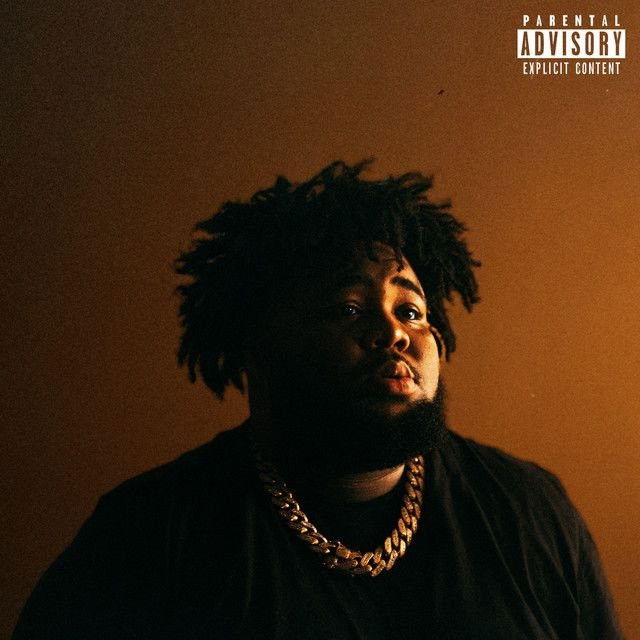
Why ‘Fight The Feeling’ Hurts on the Dancefloor
Rod Wave’s “Fight The Feeling” turns a club night into a quiet breakdown in public. For listeners looking for the meaning of Fight The Feeling Rod Wave, the song studies how people pretend they’re okay while their hearts are still in pieces.
"Fight The Feeling" - Rod Wave
Uh, okay
Women, how'd you get so good at hiding your feelings?
Loading lyrics...
Unable to load lyrics
We're unable to display the lyrics at this time. Please try again later.
At its core, it’s a compassionate look at denial, coping, and the cost of masking pain. The narrator sees right through the surface and speaks gently to someone who’s trying to out-dance their grief.
Under the Sparkle, a Quiet Collapse
The opening frames the central tension: someone is expert at hiding your feelings
and keeps patching up your pain
. They go out, take shots, and lean on nightlife to forget. But the song says this is a pause, not a cure.
Interpretation: Rod Wave places tenderness over judgment. The lyrics empathize with how hard it is to heal while life still demands you show up for work, kids, and bills. The club is escape, but also a mirror.
A Second-Person Confessor
The voice shifts between “you” and “she,” making the listener both witness and participant. That second-person address turns the song into a soft intervention. When he notes she's in denial
, it feels like a friend speaking truth in private, not a scold.
Details make the portrait real. The woman needs her grandmother to watch her child, and make-up hides a broken smile
. These lines broaden the story beyond romance. They point to pressure, caretaking, and the habit of pushing feelings aside just to get through the day.
One Night, Three Beats of the Story
- Pre-game resolve: They dress up and try to reset the mood, asking the DJ to
play your song
. - The club rush: The
city lights
and bass offer a quick high. Friends, selfies, and small talk build a mask of normalcy. - The crash: A love song lands, and the emotions they’ve avoided all week surge back.
This simple arc keeps the narrative tight. It’s not about plot twists; it’s about the slow leak of truth through the cracks of performance.
The Hook That Breaks the Mask
The chorus is the film’s close‑up, the moment the camera lingers while the crowd blurs.
Now you in the middle of the club Tryin' not to cry to a love song
Interpretation: The hook admits what the rest of the night tries to deny. Public spaces don’t protect private wounds. When the right melody hits, feelings take over, and the body tells the truth.
Images, Symbols, and Why They Land
- Make‑up and wardrobe: Beauty rituals suggest control, but here they’re armor. The glow-up can lift mood in the short term, yet it can’t seal a deep cut.
- Bars, DJs, and city lights: These are classic symbols of escape. In this song, they also become triggers. Music can soothe, but it can also unlock memories.
- Scars and brighter days: The narrator hints at their own struggle, folding personal survival into the counsel they offer. That dual view makes the empathy feel earned.
- Family anchor: Needing a grandmother’s help signals real‑life stakes and limited time to heal. It’s not just heartbreak; it’s heartbreak inside responsibility.
Together, the imagery argues that denial is exhausting. The body keeps the score, and eventually the mask slips.
Production Choices That Carry the Weight
The production leans on a gentle piano progression and restrained trap drums. The tempo is unhurried, leaving space for long notes and ad‑libs to ache. Sub‑bass and light hi‑hats provide motion without crowding the vocal.
Rod Wave layers harmonies like a soft chorus of conscience. His raspy, soaring delivery sits up front in the mix, pulling the ear to every confession and aside. The sound world feels late‑night and intimate, matching the lyrics’ after‑hours honesty.
Interpretation: By avoiding a big drop or flashy switch‑ups, the track lets emotion be the climax. The beat doesn’t promise escape; it underlines the cost of chasing it.
Alternate Readings and Why It Resonates
- Self‑address: He might be talking to a past version of himself. The scars and “brighter day” hints suggest he’s walked this road and is extending that lesson outward.
- Community portrait: It can also read as a wider look at how people, especially in nightlife culture, perform happiness to survive. The scene becomes a symbol for any place where pain gets dressed up and pushed aside.
Why it lands in the U.S. right now: the song meets listeners where they are—tired, responsible, and still expected to smile. It offers permission to feel without shame and suggests that honesty, not another round, is the first step forward.
Final Take—and a Note on Interpretation
If you’re asking about the meaning of Fight The Feeling Rod Wave, it’s this: you can’t out-party grief. The song urges tenderness toward ourselves and each other when the mask starts to slip.
Disclaimer: Song meanings are interpretive and can vary by listener. This analysis draws on the recording and public context, not any definitive author statement.









