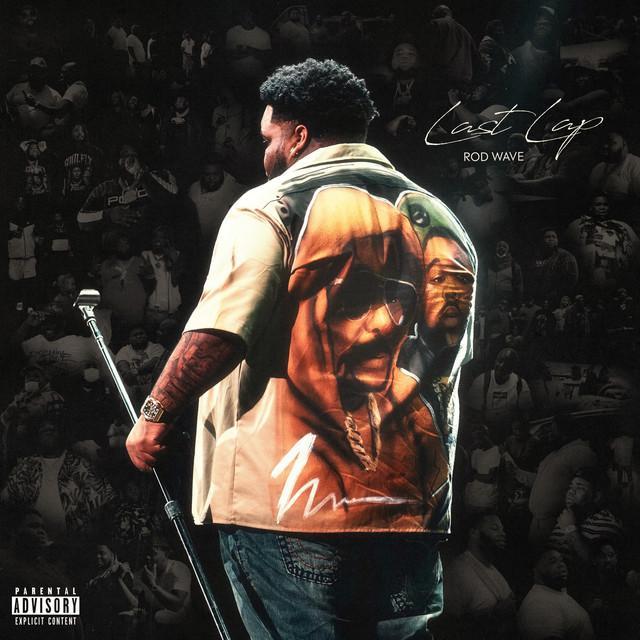
Why "Last Lap" Hits So Hard
Rod Wave’s "Last Lap" is a grief song before anything else. It sounds like a conversation with someone who is gone, but still feels close. For listeners searching for the meaning of Last Lap Rod Wave, the heart of the song is simple and painful: they are trying to survive a major loss while admitting they are nowhere near ready to let go.
"Last Lap" - Rod Wave
If I pray then God would answer me, oh (Trillo Beats, you did it again)
He really did
Loading lyrics...
Unable to load lyrics
We're unable to display the lyrics at this time. Please try again later.
The track frames mourning as something active, not clean or finished. Instead of offering closure, Rod Wave shows how memory keeps interrupting daily life. Faith appears in the opening, but so does confusion. That mix gives the song its emotional weight.
Grief That Refuses to Move in a Straight Line
The clearest idea in "Last Lap" is that loss does not follow a neat schedule. Rod Wave says people want him to heal and move on, yet he repeats that he is not ready to let go
. That short phrase matters because it rejects the usual social script around grief.
Rather than sounding dramatic for effect, the song feels like someone speaking in real time. He remembers shared plans, old rides, and everyday details that now trigger sadness. Those details make the loss feel lived-in.
Interpretation: the song is not only about missing a friend or loved one. It is also about resisting the pressure to pretend healing has already happened.
A Message to the Dead, and to Himself
Much of the song plays like a direct address. Rod Wave talks to someone he believes is still somehow present, saying they are looking down
and guiding him. That creates two emotional layers at once: prayer upward, memory backward.
The repeated instruction keep going
is the song’s emotional engine. On the surface, it sounds like advice from the person he lost. Under that, it also sounds like the voice he must build inside himself just to keep functioning.
Every step I take
I can hear you say
Keep going
This short refrain turns grief into motion. He is still walking, but every step carries absence with it.
The Real Story Inside the Verses
The verses give the song its shape by moving through memory, pain, and guilt. A few key beats stand out:
- He begins with faith, saying prayer matters, but that answer from God does not erase sorrow.
- He speaks directly to the person he lost, remembering their bond and shared ambition.
- He admits the damage plainly: sleeplessness, crying, depression, and self-medication.
- He returns to the idea of forward motion, even though emotionally he is stuck.
This structure matters because it shows how mourning works in cycles. He reaches for meaning, falls back into memory, then tries to keep moving again.
Why Roads, Vans, and Streetlights Matter
One of the strongest parts of the meaning of Last Lap Rod Wave is how physical objects carry emotion. Roads, interstates, clothes, and vans are not random details. They are memory traps.
He links travel to the person he misses, which suggests their relationship was built through hustle, movement, and time spent side by side. Now those same symbols of success and progress only sharpen the pain. Even upgraded living does not feel victorious if the person who helped imagine it is gone.
Interpretation: this contrast may be the song’s deepest wound. Success arrived, but the circle around that success broke apart.
Faith, Depression, and Survivor’s Guilt
"Last Lap" also stands out because it does not treat faith as a magic fix. The opening respects prayer, but the rest of the song shows someone still overwhelmed. That honesty is central to Rod Wave’s music more broadly, where emotional exposure often matters as much as plot. Billboard has frequently noted his confessional style and chart success in melodic rap and soul-leaning hip-hop, including coverage of Rod Wave.
The song also carries survivor’s guilt. He wonders what he missed and whether he could have helped more. When he admits he lies about being okay, the song becomes bigger than one private loss. It taps into a familiar pattern: public strength, private collapse.
Why the Chorus Hurts More Each Time
The chorus repeats the same emotional conflict: movement on the outside, paralysis on the inside. That is why the hook grows heavier with each return. It is not just catchy repetition. It is proof that nothing has been resolved.
The title image, last lap
, is especially striking. A lap usually suggests endurance, competition, and finishing. But here it sounds weary, almost symbolic of someone dragging themselves through the final stretch of a brutal season of life.
Interpretation: the closing line about the turtle race suggests slow survival. He is still in motion, but barely, and with deep emotional exhaustion.
How the Sound Supports the Meaning
The production helps the song land. The beat is restrained, letting the vocal sit front and center. The pacing feels heavy rather than urgent, which mirrors the weight of grief. The melodic background and echoing refrain make the absent person feel almost present, like a memory replaying in the room.
Songwriting credits provided for the track include Rodarius Green, Brandon Lake, Aaron Moses, Doe Jones, Ryan Ofei, and Trentay Robinson. Those writers are also known in gospel and inspirational music spaces, which helps explain why the song blends spiritual language with raw street-level mourning. For broader release and credits context, listeners often check platforms like Genius.
What "Last Lap" Finally Means
At its core, the meaning of Last Lap Rod Wave is about carrying grief instead of conquering it. The song does not promise healing on schedule. It shows someone trying to stay alive, stay faithful, and stay moving while love and loss keep pulling in opposite directions.
That is why the track hits so hard: it treats grief as a relationship that continues after death, not a feeling that simply fades.
Disclaimer: This interpretation is based on the lyrics, credited writers, and the song’s performance. As with any art, listeners may hear different meanings in "Last Lap."







