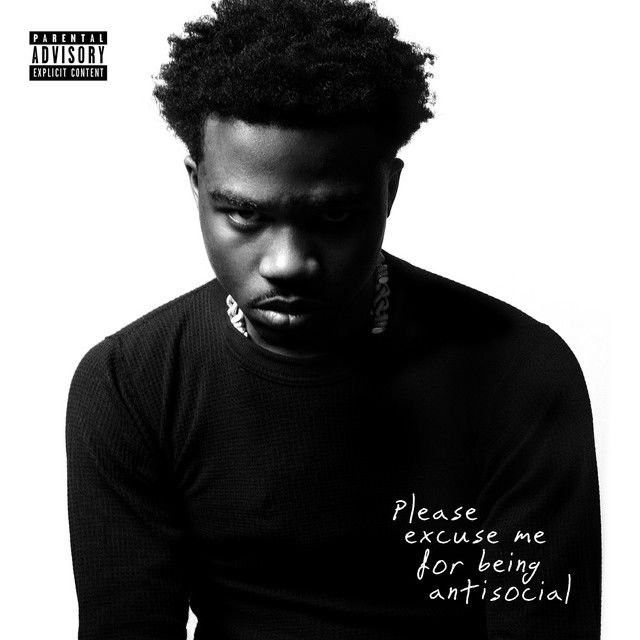
Why Roddy Ricch’s Trap Prayer Feels So Dark
The meaning of Prayers to the Trap God Roddy Ricch comes into focus fast: this is not a victory lap. It is a survival story told from inside a world built on risk, speed, and fear. The song frames the trap not just as a hustle, but as a belief system that people lean on when everything else feels broken.
"Prayers to the Trap God" - Roddy Ricch
You can hear the screams and sirens in the cut
How did the trap fold up?
Loading lyrics...
Unable to load lyrics
We're unable to display the lyrics at this time. Please try again later.
Roddy Ricch, born Rodrick Wayne Moore Jr., built much of his reputation on melodic street rap and emotionally direct storytelling, as covered by sources like Britannica and Billboard. In this track, they use that style to tell a story where money, danger, family, and faith all collide.
A Prayer That Sounds More Like Panic
At the center of the song is a painful contradiction. The narrator says they have been trying to pray to the trap God
, hoping for protection and no witnesses. Paraphrased, that means they are asking the street economy itself to save them from the consequences it created.
That is what gives the chorus its sting. This is not spiritual peace. It is fear disguised as ritual. Interpretation: Roddy Ricch seems to present the trap as a false god, something people trust because it offers quick answers, even while it destroys stability.
Watch the official Prayers to the Trap God
music video
The Story Unfolds in Real Time
Sirens, raids, and split-second choices
The opening lines drop the listener into motion. A racing heart, sirens nearby, and police pressure create a scene of immediate danger. Short phrases like mind racin'
and helicopters movin' in
do not just set the mood; they make the song feel trapped in the moment.
The verse then moves through a raid response: trying to hide evidence, worrying about who may talk, and realizing the walls are closing in. When the song mentions trying to get rid of the drugs before law enforcement reaches them, it turns the trap house into a place of siege.
Fear reaches beyond one room
The song does not stay at the level of action. It expands into family history. One of its most shocking details is the memory of an uncle being shot after looking police in the eye. That line shifts the song from suspense to trauma.
Paraphrased, the point is clear: this fear did not appear overnight. It has roots. Interpretation: the track suggests that the trap is not only a choice; for some, it is part of an inherited environment shaped by violence, policing, and limited options.
Family Is the Song’s Deepest Wound
One of the strongest parts of the song is how it talks about relatives. Roddy Ricch lists different kinds of family members: addicts, dealers, killers, and loved ones. The point is not simple judgment. The point is that family can contain harm and loyalty at the same time.
That idea matters because it stops the song from becoming a flat crime narrative. When they say family is important and must be embraced, the track admits an ugly truth: people do not get to choose the conditions they are born into. They only choose how to move inside them.
This also explains why the song keeps bouncing between hard imagery and vulnerable questions. The narrator is not only worried about prison or a raid. They are worried about what kind of future is still possible.
Dreams of Wealth, Fear of Wasted Youth
Money is everywhere in the song, but it does not sound glamorous for long. Luxury appears beside paranoia, and ambition appears beside jail time. A phrase like face the music
captures that collision between fantasy and consequence.
The song's most human fear may be the line about becoming a father while possibly losing years in prison. That image changes the emotional scale. Suddenly this is not just about surviving a bust. It is about lost adulthood, damaged love, and the possibility of missing a child’s life.
Interpretation: the song argues that the trap promises control, but actually steals time. Money may come fast, yet the real cost is measured in years, family bonds, and peace of mind.
How the Sound Carries the Meaning
Even without heavy production detail publicly documented for this specific track, the musical design can still be heard clearly. The beat feels spare, cold, and watchful. It leaves enough empty space for Roddy Ricch’s voice to sound exposed.
That matters because their delivery shifts between narration and strain. They do not rap like someone fully in control. They sound like someone trying to stay calm while danger gets closer. The hook repeats hope he listen
, and that repetition feels less like confidence than desperation.
In practical terms, the production supports three themes:
- panic in the present
- trauma from the past
- uncertainty about the future
What the Title Really Means
The title is clever because it sounds bold at first and tragic after reflection. A “trap god” could sound like power, status, or mastery. But in the song, it feels hollow.
They are praying upward, yet everything in the song pulls downward: raids, grief, addiction, and prison fear. Interpretation: the title may be Roddy Ricch’s way of showing how street culture can imitate religion. It offers commandments, sacrifices, and rewards, but no real salvation.
Final Take on the Song’s Message
The meaning of Prayers to the Trap God Roddy Ricch is not just that the streets are dangerous. It is that danger can become so normal that it starts to feel sacred. This song exposes that illusion.
What makes it hit is its mix of action and sadness. It shows the trap as a place where people chase money, protect family, fear the police, and still wonder whether any of it can lead anywhere good.
Disclaimer: This article offers interpretation based on the lyrics, performance, and available artist context. Song meaning can remain open, and listeners may hear different layers in the track.









