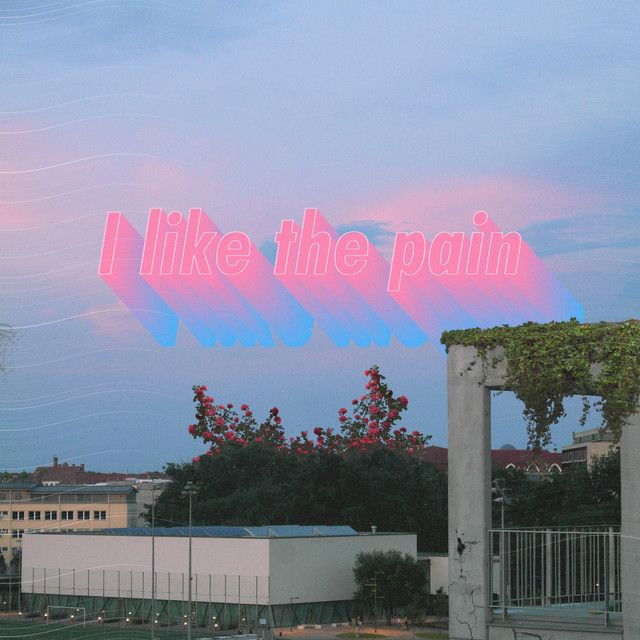
Why 'I Like The Pain' Hurts on Purpose
The meaning of I Like The Pain Roderick Porter centers on a hard emotional truth: sometimes pain feels more real than healing. In this song, they present a narrator who is not proudly strong or clearly broken. Instead, they sound stuck between wanting love, rejecting help, and chasing intense feelings just to escape emotional numbness.
"I Like The Pain" - Roderick Porter
I’m loving what I see in front of me
Don't give a fuck 'bout anyone
Loading lyrics...
Unable to load lyrics
We're unable to display the lyrics at this time. Please try again later.
That tension is what gives the track its pull. The song is not simply saying suffering is good. It suggests that, for this speaker, pain has become familiar enough to feel like home.
The Core Message Hiding in the Hook
The repeated line I like the pain
is the song’s main clue, but it needs context. The narrator is not celebrating a healthy kind of struggle. They are describing a state where sadness, heartache, and emotional chaos feel easier to recognize than peace.
A few nearby phrases sharpen that idea. When they admit don’t feel the same
and describe being stuck in my ways
, the song frames pain as part of a routine. This is less about dramatic heartbreak and more about living inside a pattern that has become hard to break.
Interpretation: the hook works like a confession, not a boast. They seem to prefer pain because numbness feels even worse.
Watch the official I Like The Pain
music video
A Narrator Pulled Between Love and Withdrawal
One of the most interesting parts of the song is how it shifts between desire and avoidance. Early on, the speaker sounds fixed on one person and insists they do not want just anybody. That creates intimacy. But soon after, the lyrics move into withdrawal, isolation, and emotional shutdown.
The short phrase go ghost, alone
captures that retreat clearly. They describe pulling away from people, ignoring contact, and staying trapped with their own thoughts. That makes the romantic lines feel unstable. Love is present, but they do not seem ready to receive it in a healthy way.
Later, the repeated denial of love and need makes the conflict even clearer. They keep trying to convince themselves that they do not care. The repetition matters because it sounds unconvincing. The more often they say it, the more the listener hears the opposite.
How the Verses Map a Cycle
The song’s story is simple on the surface, but emotionally it moves in a clear pattern:
- The narrator identifies someone they want.
- They fall back into isolation and bad habits.
- They admit that numbness has taken over.
- They chase pain because it proves they can still feel.
- They deny their attachment, but the denial sounds fragile.
That middle section is the key to the entire song. The line bad thoughts, my dome
shows that the real struggle is internal. The outside habits—staying home, avoiding the phone, using substances—come after the mental spiral begins.
Interpretation: this structure suggests they are caught in a loop, not moving forward. Every time closeness appears possible, they slide back into the same self-protective behavior.
Pain as Proof of Being Alive
The strongest verse idea is not heartbreak by itself. It is the fear of feeling nothing. The narrator says they do not want to feel okay, then explains they are tired of numbness. That is a crucial difference.
Instead of searching for happiness, they seem to be searching for sensation. Heartbreak, darkness, and chaos all become substitutes for connection because they create a reaction. Emotional pain becomes proof that something inside is still active.
I don't really know what love is
I'm just fucking done with the numbness
This is the song’s clearest emotional turning point. The statement does two things at once: it admits confusion about love and reveals why pain has become attractive. If they cannot trust love, then hurt may feel more honest.
The Sound Supports the Meaning
Even without detailed official production credits, the writing points toward a moody, melodic rap approach. The repeated phrases, short emotional bursts, and confessional tone fit the kind of minimal, atmosphere-first sound often heard in emo-rap and alternative hip-hop.
That matters because repetition is doing emotional work here. Hooks like smoke dope, stay home
land almost like intrusive thoughts. The cycle in the lyrics is mirrored by the likely cycle in the song’s structure: the same ideas return again and again, as if the narrator cannot escape them.
The delivery also appears central to the meaning. These lyrics read best when heard as weary and half-numb, not explosive. That contrast matters. A calm or dazed vocal tone can make lines about darkness feel more believable, because the speaker sounds drained rather than theatrical.
Artist Context and What Can Be Said Carefully
The user-provided credits list Jeppe Jacobsen and Justin Roderick Belliveau as songwriters, with Porter performing the track. Beyond that, without verified public credits linked here, it is safest not to overstate album, release, or producer details.
What can be said with confidence is that the song fits a confessional style where inner damage and relationship tension overlap. That blend is common in online-era melodic rap, where artists often blur the line between love song, mental health diary, and self-medication narrative.
The Best Way to Read the Ending
The ending returns to attraction after all the darkness, which is important. It suggests the love interest is not a solution. They are another part of the emotional storm.
Interpretation: the song leaves the narrator suspended between two cravings—closeness and self-erasure. That unresolved feeling is the point. The track does not offer recovery. It shows what it sounds like when someone has gotten so used to pain that healing feels unfamiliar.
For listeners asking about the meaning of I Like The Pain Roderick Porter, the simplest answer is this: it is a song about choosing pain over numbness, even while knowing that choice is destructive.
Disclaimer: This interpretation is based on the lyrics provided and publicly attributable writing credits. Song meaning can remain subjective, and different listeners may hear the emotional focus differently.








