How Rodney Crowell Turns Outlaw Life Into Warning
The meaning of I Ain't Living Long Like This Rodney Crowell starts with speed, crime, and fear, but it lands somewhere deeper. This is not just a rebel anthem. It is a song about a person who sees the trap they are in and knows it cannot last.
"I Ain't Living Long Like This" - Rodney Crowell
Straight down the barrel of a lawman's gun
I'll try to run but I don't think I can
Loading lyrics...
Unable to load lyrics
We're unable to display the lyrics at this time. Please try again later.
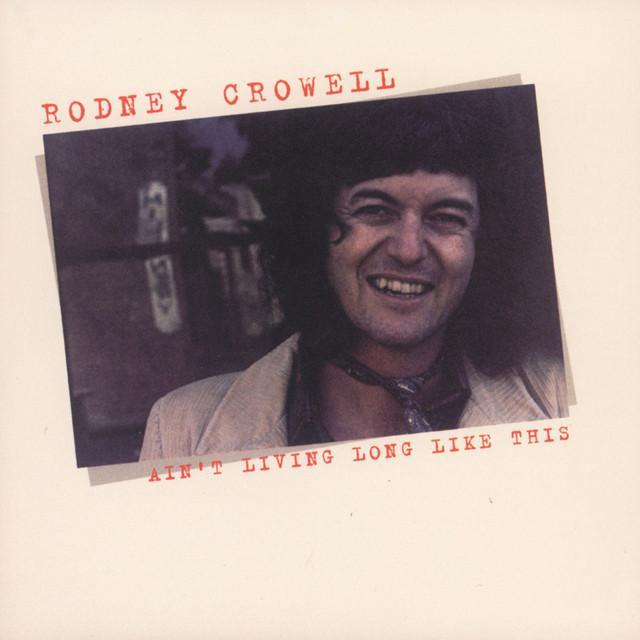
Rodney Crowell wrote the song, and they later recorded it on their 1978 debut album Ain't Living Long Like This. Before that, Gary Stewart and Emmylou Harris had already recorded it, which shows how strong the writing was from the start. Waylon Jennings then turned it into a No. 1 country hit in 1979, according to Billboard chart history.
The Real Heart of the Song
At the surface, the narrator is a drifter in trouble with the law. They meet violence, jail, bad romance, and memories of a rough childhood. But the larger point is simple: this way of life is burning them up.
The key line is the title hook, ain't living long like this
. In plain words, the narrator admits that the choices around them are leading to prison, death, or both. The added plea to a lover makes the song feel even sadder, because they know they are failing at love and survival at the same time.
Interpretation: the song works as a self-portrait of a person who still chases danger, even while understanding the cost. That tension gives it its power.
Watch the official I Ain't Living Long Like This
music video
A Fast Story With No Safe Exit
Crowell packs a whole life into a few verses. The opening throws the listener into immediate danger, with the narrator staring down a gun and hearing dead man, friend
. That phrase matters because it is not poetic language. It sounds blunt, street-level, and final.
Then the song shifts to arrest and jail. The image of a steel rail rack
makes confinement feel cold and physical. This is not glamorous outlaw romance. It is a body trapped in metal, with freedom already gone.
After that, the song steps backward into family history. The narrator remembers Houston, a father lost early, and the smell of alcohol. Those details suggest a cycle: trouble did not begin with one bad night. It grew out of class struggle, broken family life, and learned chaos.
Childhood, Class, and the Wheel Turning
One of the smartest things in the song is how it links personal blame with social background. The narrator is responsible for their choices, but the song also shows where those choices come from. They were raised around hard living, unstable work, and early death.
When the lyric warns that the wheel goes 'round
, it suggests repetition. Bad luck becomes family pattern. Jail becomes routine. Desire becomes damage. The phrase gives the song a fatalistic feel, as if the narrator has seen this story before and knows how it ends.
Interpretation: this makes the song more than a crime tale. It becomes a song about inheritance, especially the inheritance of risk and disorder.
Love Does Not Save Them Here
The woman called Angel adds another layer. She is described with flashy, roadhouse energy, which fits the song's barroom world. But she is not a rescue figure.
Instead, the narrator admits emotional failure with I don't know how
. They may want love, but they do not know how to sustain it. That confession is one of the most revealing moments in the song. Beneath the swagger is a person who cannot build a stable life, even when they can imagine one.
That is why the romance deepens the tragedy. The song is not saying love will fix everything. It says the narrator is too far inside their habits to fully receive or return it.
Why the Sound Matters So Much
Musically, the song moves like a chase scene. Crowell's version leans into rootsy country-rock drive, with a tight rhythm section and guitar work that keeps the pressure on. The beat rarely lets up, which mirrors a life lived without pause or reflection.
That energy is important because it creates a productive contradiction. The song sounds exciting even as the words describe collapse. That split is central to outlaw country: freedom feels thrilling, but the bill always comes due.
Waylon Jennings' later hit version made that contrast even bigger. Their heavier groove and lived-in vocal authority fit the song's danger and exhaustion. It matched Jennings' outlaw image, but the words still carry Crowell's sharper warning.
The Story Behind the Song Adds Meaning
Context strengthens the song's realism. American Songwriter reports that Crowell drew one line from a real encounter with a Texas highway patrolman, who said, in effect, one wrong move could get someone killed. The same article says Crowell also finished the song in their head after being jailed over unpaid dog-leash fines in California. That odd but memorable backstory helps explain the vivid jail details and the song's mix of humor, fear, and grit.
look for trouble
lawman's gun
jailhouse
Even in those short phrases, the pattern is clear: recklessness leads to force, and force leads to confinement.
Why It Still Connects
The song lasts because it avoids easy moralizing. It does not lecture. It lets listeners feel the rush of bad decisions and the dread that follows. That balance keeps the song alive across versions and eras.
It also speaks to a classic American theme: the thin line between independence and self-destruction. The narrator wants motion, escape, and intensity. But every verse shows that the same hunger is ruining them.
Final Take
The meaning of I Ain't Living Long Like This Rodney Crowell is not that outlaw life is cool. It is that a person can see their own downfall clearly and still keep moving toward it. Crowell turns that painful truth into a song that is lean, catchy, and emotionally sharp.
This article offers an interpretation based on the lyrics, recording history, and available reporting. Like any strong song, it can support more than one reading.







