Why "Leaving Louisiana" Feels So Free
The meaning of Leaving Louisiana in the Broad Daylight Rodney Crowell comes down to a simple but powerful tension: freedom feels thrilling, but it also leaves damage behind. The song tells a fast-moving story about a young woman who runs off with a traveling man, knowing full well that the choice may bring trouble. What makes the track last is that it never turns that choice into a neat lesson. Instead, it sounds excited, reckless, romantic, and a little dangerous all at once.
"Leaving Louisiana in the Broad Daylight" - Rodney Crowell
Left her momma crying with her head in her hands
Such a sad case, so broken hearted
Loading lyrics...
Unable to load lyrics
We're unable to display the lyrics at this time. Please try again later.
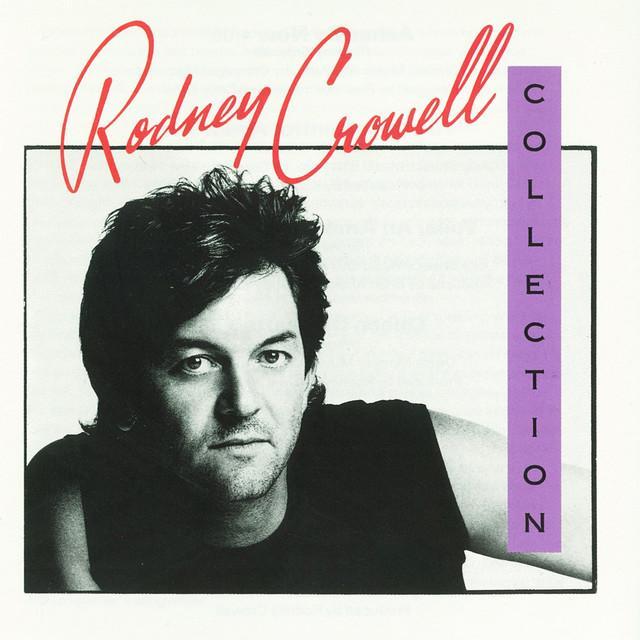
Rodney Crowell co-wrote the song with Donovan Cowart, and it appeared on Crowell's But What Will the Neighbors Think. It later became a bigger hit for Emmylou Harris, which helped cement it as one of those story-songs that feels larger than any one recording.
The Heart of the Story Is Escape
At the center is Mary, a young woman who bolts from home with a man always on the move. The opening quickly frames her choice as painful for her family, especially her mother, but the song does not stay in judgment mode for long. Mary wants out. She is tired of standing still, and the road offers motion, risk, and possibility.
That is why the line about the highway matters so much. When the song says the road will roll on forever
, it turns a local story into something universal. This is not just one girl's mistake or one family's crisis. It is a song about how desire for escape keeps repeating itself.
Interpretation: The song suggests that people often leave not because they fully trust where they are going, but because staying put feels worse.

Watch the official Leaving Louisiana in the Broad Daylight
music video
Mary Is Not Painted as Innocent or Evil
One of the smartest things in the lyric is its balance. The song mentions drinking, bad timing, and crazy chances
, so it clearly sees the danger. At the same time, Mary gets some of the strongest emotional lines. She is not only acted upon; she chooses.
Her key refrain makes that clear:
Never have I known it
when it felt so good
Leaving Louisiana
In paraphrase, she is saying this escape feels right in the moment, even if others see it as reckless. That is the emotional engine of the whole song. Good sense loses to strong feeling.
Mothers, Daughters, and the Cost of Motion
The mother-daughter exchange gives the song more weight than a simple road romance. The mother warns her about the travelin' kind
, meaning men who never stay long and often leave heartbreak behind. This warning is practical, not poetic. She understands the pattern.
That detail deepens the meaning of Leaving Louisiana in the Broad Daylight Rodney Crowell because it shows a clash between experience and desire. The mother speaks from history. Mary speaks from urgency. Both sound believable.
There is also a regional realism here. The family bond feels Southern, close, and intense. Leaving home is not just moving away. It is a public rupture.
The Louisiana Setting Is More Than Scenery
The song's swampy setting matters. Louisiana is described as humid, rough, and emotional, a place where bars stay open and tempers flare. This is not postcard Louisiana. It is a lived-in, dangerous backdrop where choices have consequences.
When the lyric hints that the stranger could get chased down, the song raises the stakes fast. It turns from romantic getaway to near chase scene. That shift matters because it shows how freedom can instantly become survival.
Interpretation: Louisiana works as both a real place and a symbol. It stands for roots, family pressure, and a world too tight for Mary. Leaving it in daylight means she is not sneaking away emotionally. She is breaking from it in plain view.
Why the Chorus Sounds So Exhilarating
A big part of the song's power is that the chorus does not sound ashamed. Even if the story includes warning signs, the hook rushes forward with joy. That contrast is the point.
Crowell's writing understands something many great country songs understand: people often sing most brightly at the exact moment their lives are becoming more complicated. The chorus captures that. It is not careful. It is committed.
The repeated title phrase works almost like a movie camera pulling back. One person's decision starts to feel mythic, like an American runaway tale built on impulse, speed, and a hunger for a different life.
How the Music Carries the Meaning
Musically, the track rides on an upbeat country groove that keeps the story moving. The arrangement leans on bright rhythm, steady pulse, and a sing-along structure, which gives the whole thing a forward push. That matters because the sound mirrors Mary's decision: once momentum starts, nobody easily stops it.
In Crowell's version, and especially in the better-known Emmylou Harris recording, the performance style keeps the song from turning heavy-handed. The tune is catchy, almost cheerful, which creates tension with the danger in the story. That mismatch is exactly why it works.
A Few Strong Ways to Read It
There are at least three fair readings of the song:
- A freedom song: Mary chooses movement over confinement.
- A cautionary tale: desire blinds people to risk.
- A cycle story: families repeat patterns, and the highway keeps calling.
All three fit because the lyric refuses to close down meaning. It says this is an ordinary story, which is almost the saddest part. The drama feels personal, but the pattern feels old.
Final Take on Its Meaning
The best way to understand the meaning of Leaving Louisiana in the Broad Daylight Rodney Crowell is to hear it as a song about the moment when escape feels more true than safety. It captures the rush of leaving, the pain left behind, and the way the open road can look like salvation before it proves anything at all.
That is why the song still connects. It understands that bad ideas can feel beautiful, and that sometimes people run because motion itself feels like hope.
Disclaimer: This interpretation combines lyrical analysis with publicly available song context. As with many narrative songs, some meanings remain open to listener interpretation.








