
Why 'Smoky Mountain Rain' Still Feels So Human
The meaning of Smoky Mountain Rain Ronnie Milsap starts with a simple country story: a man comes home too late. He leaves Los Angeles, heads back to East Tennessee, and hopes love will still be waiting. Instead, he finds loss, regret, and a long, wet search through familiar places that no longer feel safe.
"Smoky Mountain Rain" - Ronnie Milsap
I found those bright lights ain't where I belonged
From a phone booth in the rain I called to tell her
Loading lyrics...
Unable to load lyrics
We're unable to display the lyrics at this time. Please try again later.
That plain setup is why the song hits so hard. It is not built on mystery. It is built on recognition. Many listeners know the feeling of returning with changed priorities and learning that life did not pause for them.
A Homecoming That Arrives After the Damage
Factually, the song was written by Kye Fleming and Dennis Morgan, recorded by Ronnie Milsap, and released in September 1980 as the only single from his Greatest Hits collection. It became one of Milsap's signature songs, reached No. 1 on Billboard's country chart, and later became an official Tennessee state song. Those facts matter because the song is deeply tied to Tennessee identity, not just as a setting but as an emotional destination.
The narrator begins by turning away from California ambition. When they admit the bright lights
were not where they belonged, the song frames success as hollow. This is not only about geography. It is about values. The dream of making it in a big city has failed to give them comfort, love, or purpose.
That opening move gives the song its emotional engine: they are not just going home, they are correcting a mistake.
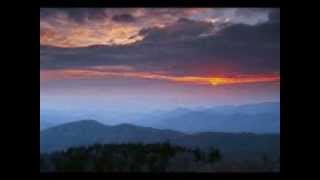
Watch the official Smoky Mountain Rain
music video
The Plot Works Like a Mini Movie
One reason the song remains vivid is its clean narrative line. It unfolds almost like scenes in a film:
- They leave Los Angeles and head back to Knoxville.
- They call the woman they love from a phone booth.
- They learn she is gone.
- They keep traveling, now driven by heartbreak instead of hope.
- They vow to keep looking despite the pain.
Each scene raises the stakes. At first, the trip feels like a reunion. After the phone call, it becomes a chase. By the chorus, it turns into obsession.
The key emotional shift comes when the narrator says they had a change of dreams
. That phrase is small, but it changes the whole song. The problem is not only that they lost her. It is that they understood the truth too late.
What the Rain Really Means
The title image does more than set the weather. The rain stands for grief that will not let up. In the chorus, the storm keeps falling as they keep searching, which ties the outside world to their inner state. The rain becomes a moving curtain between the narrator and the life they want back.
Smoky Mountain rain
keeps on fallin'
I keep on callin'
her name
Those lines are easy to remember because they turn sadness into motion. The rain falls, the voice calls, the search continues. Nothing resolves.
Interpretation: the storm also suggests that home is not automatically healing. They have returned to the right place, but not at the right time. Nature mirrors that cruel truth.
Regret Without Self-Pity
A major strength of the lyric is its honesty. The narrator is hurt, but they are not purely blaming the woman who left. When they admit they cannot blame her for leaving, the song gains maturity. It recognizes that love needs presence, warmth, and reliability, not just late understanding.
That makes the character more sympathetic. They are desperate, even reckless, but not self-righteous. The line about needing someone warm to hold strips the conflict down to human basics. She did not leave for drama. She left because loneliness became too heavy.
This balance keeps the song from becoming a fantasy of romantic pursuit. It knows that absence has consequences.
Why Ronnie Milsap Sells the Story
Milsap's performance is a big part of the song's meaning. His voice sounds controlled, but never cold. He does not oversing the pain. Instead, he lets the ache sit in the phrasing, especially when the melody stretches over the chorus. That restraint makes the longing feel believable.
The production, credited to Tom Collins and Milsap, helps too. The arrangement has a polished early-1980s country-pop sheen, but it still feels rooted in road music and Appalachian memory. Piano, steady drums, soft strings, and a wide, rolling rhythm create the sense of travel. The track moves forward like a vehicle at night, while the vocal remains emotionally stuck.
Dennis Morgan told American Songwriter that the song grew out of earlier ideas and was shaped toward the Smoky Mountains, with the writers drawing on hitchhiking experience and songs about being far from home. That background explains why the journey feels so concrete. The details are not decorative; they come from lived textures.
A Quiet Link to Country History
There is also a subtle lineage here. The song has often been connected to Elvis Presley's "Kentucky Rain," and Milsap had played piano on that 1969 recording. Both songs use rain, travel, and searching to tell stories of romantic loss. That does not make "Smoky Mountain Rain" a copy. It shows how Milsap's hit fits into a larger country-pop tradition where weather and landscape carry emotional weight.
Its reception supports that importance. Beyond its chart success, Rolling Stone ranked it among great country songs in both 2014 and 2024. Listeners kept returning because the song turns a regional setting into a universal feeling.
The Deeper Meaning Beneath the Road Story
So what is the meaning of Smoky Mountain Rain Ronnie Milsap at its deepest level? It is about the pain of recognizing home only after they have damaged what home meant. The woman matters, but she also represents stability, tenderness, and the life the narrator traded away.
Interpretation: the endless search may not be meant literally. It can also describe emotional limbo. They are wandering through regret, trying to undo time, calling for a version of life that may already be gone.
That is why the song lasts. It is not only about chasing one person through Tennessee. It is about learning, too late, that ambition without connection can leave someone stranded.
Final Take in the Fog
"Smoky Mountain Rain" endures because it joins a strong story to a stronger feeling: the fear that a sincere return may still not be enough. Milsap and his writers make that fear sound local, cinematic, and painfully familiar.
Interpretations can vary, and some listeners may hear the song more as a literal travel narrative than a broader statement about regret, home, and missed timing.








