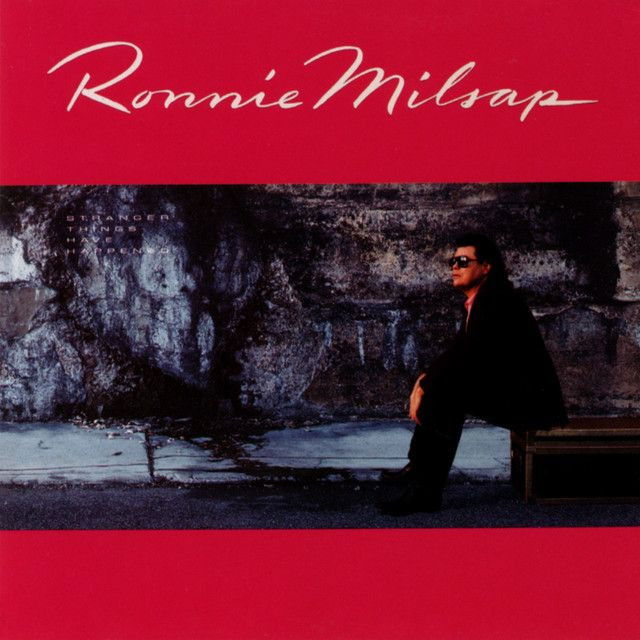
Stranger Things Have Happened by Ronnie Milsap
A love song built on grief and hope
The meaning of Stranger Things Have Happened Ronnie Milsap centers on a person who cannot let go of someone they lost. The singer is not raging or blaming anyone. Instead, they are living in the quiet, strange space between heartbreak and belief.
"Stranger Things Have Happened" - Ronnie Milsap
I keep talking to your picture
But a smile is all you say.
Loading lyrics...
Unable to load lyrics
We're unable to display the lyrics at this time. Please try again later.
That is what gives the song its power. It shows how people keep talking to the absent person, replaying memories, and watching for signs that the relationship might somehow return. The title phrase is not just a clever hook. It is the whole emotional logic of the song: impossible things do happen, so maybe this love is not over after all.
Released in February 1990 as the title track from Ronnie Milsap's album Stranger Things Have Happened, the single reached No. 2 on Billboard's Hot Country Singles & Tracks and No. 1 in Canada. Those chart results matter because they show how widely its message connected with country listeners.

Watch the official Stranger Things Have Happened
music video
The speaker lives with absence
The verses show a person trying to survive separation through small rituals. Early on, they admit, talking to your picture
. That image says a lot with very few words. They are using a photograph as a stand-in for real contact because memory feels safer than final acceptance.
The next idea deepens the loneliness. A smile from the picture cannot answer back, yet the singer says missing the person is easier this way. In plain terms, fantasy hurts less than facing silence. The song captures how grief can turn ordinary objects into emotional lifelines.
Ghosts, dreams, and the edge of reality
The middle of the lyric moves from stillness to near-haunting. The singer notices a shadow filled the doorway
and hears footsteps on the stairs
. These are not presented as horror images. They feel like the mind's attempt to make the missing person present again.
Interpretation: the song may be describing dreams, half-sleep, or grief-induced misreadings of the world. People who miss someone deeply often think they saw them for a second in a room, a crowd, or a doorway. The writing turns that common emotional experience into vivid, simple pictures.
The morning line matters too. After waking, the singer thinks they see the person standing there. That detail blurs sleeping and waking life. The loss is so strong that reality itself starts to bend around desire.
Why the chorus hits so hard
The chorus is where longing becomes belief. Rather than saying a reunion is likely, the singer uses a gamble: Stranger things have happened
. That phrase keeps the song from sounding naive. They know this hope is unlikely, but they refuse to call it impossible.
And I'll always believe,If stranger things can happen,You could still come back to me.
This is the emotional center of the song. The speaker is not asking for proof. They are choosing faith because faith is the only thing left. In country music, hope often lives beside pain, and this chorus is a strong example of that balance.
A second verse about what really has value
Later, the song contrasts memory with touch. The line worth a thousand pictures
makes a clear point: images and thoughts can comfort, but they cannot replace a living person. The singer also dismisses regret about what might have been. Dreaming about alternate outcomes has little value compared with the wish for one real reunion.
That shift is important for the meaning of Stranger Things Have Happened Ronnie Milsap. This is not only a song about nostalgia. It is about physical absence. The speaker misses presence, voice, touch, and shared time. They want more than remembrance; they want return.
Ronnie Milsap's style helps sell the emotion
Ronnie Milsap had long been known for blending country feeling with smooth pop production, as seen across his career. That crossover instinct fits this song well. The melody is gentle, the tempo is measured, and the arrangement gives the lyric room to breathe.
The production, credited to Ronnie Milsap, Rob Galbraith, and Tom Collins, avoids big drama. Instead, it leans on softness and clarity. That matters because the song is about private pain, not public breakdown. A polished country-pop setting lets the sadness feel intimate and believable.
Milsap's vocal also carries a key part of the meaning. He sounds controlled, almost conversational, which keeps the song from turning sentimental. They hear a narrator trying to stay composed while holding onto something fragile.
Two strong ways to read the song
Interpretation 1: most listeners will hear this as a breakup or separation song. In that reading, the speaker cannot accept the end of a relationship and keeps imagining a return.
Interpretation 2: the song can also be heard through bereavement. Because the missing person appears like a shadow or presence, some may hear it as a song about death and spiritual reunion, especially in the line about meeting in some other time
. The lyric never confirms that reading, which is why the ambiguity works.
Why it still resonates
Part of the song's staying power is its honesty about irrational hope. Many love songs promise closure. This one does not. It admits that people often live on small chances, signs, and impossible wishes.
That is why the song connected in 1990 and still makes sense now. It understands that heartbreak is rarely logical. People know someone is gone, yet they still listen for footsteps.
Final takeaway
At its core, this song is about choosing hope when evidence is gone. The singer keeps faith alive not because it is reasonable, but because love makes reason feel too small.
That is the lasting meaning of Stranger Things Have Happened Ronnie Milsap: grief can create illusions, but it can also protect hope. Interpretation disclaimer: this reading is based on the lyrics, recording context, and common listener response, but song meaning always leaves room for personal interpretation.








