Why 'Fading Like a Flower' Still Hurts
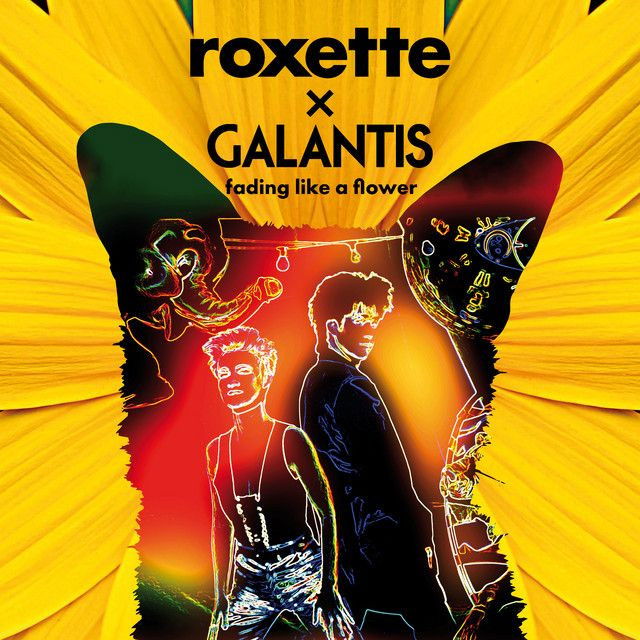
The meaning of Fading Like A Flower Roxette, Galantis starts with a simple feeling: someone leaves, and the person left behind feels themselves dim. Roxette’s original 1991 hit turns that feeling into a vivid image of wilting beauty. Even when newer dance-world associations bring Galantis into the conversation for modern listeners, the emotional center still belongs to Per Gessle’s writing and Marie Fredriksson’s delivery.
"Fading Like A Flower" - Roxette, Galantis
But when we meet, it seems I can't let go
Every time you leave the room, I feel I'm fading like a flower
Loading lyrics...
Unable to load lyrics
We're unable to display the lyrics at this time. Please try again later.
This is not a complicated story song. It is a feeling song. That matters, because its power comes from repetition, direct language, and the way the music makes heartbreak feel huge.
A Love That Feels Strong and Fragile
On the surface, the lyric describes a person who tries to protect themselves but fails. They attempt to pull back when they see this other person, yet contact only makes the attachment stronger. The key emotional loop is clear in short phrases like try to hide away
and can't let go
.
That push and pull gives the song its tension. They want distance because closeness hurts, but distance hurts too. In that sense, the narrator is trapped between desire and self-defense.
Interpretation: The song is less about a dramatic breakup event than about emotional dependence. The real wound is not one argument or one goodbye. It is the repeated cycle of reunion and absence.

Watch the official Fading Like A Flower
music video
The Chorus Turns Heartbreak Into an Image
The title image is what makes the song memorable. When the singer says fading like a flower
and later compares that feeling to a rose, the lyric translates sadness into something visual and physical.
A flower is beautiful, but it is also delicate. It needs light, water, and care. So when love disappears, the self begins to lose color too. The image suggests more than sadness; it suggests depletion.
Every time you leave the room,I feel I'm fading like a flower
That short moment captures the whole song. It does not describe a future plan or a lesson learned. It describes a body and spirit reacting in real time to loss.
Who Is Speaking, and Why It Feels So Immediate
The lyric uses a first-person voice, which makes the pain sound direct and unfiltered. There are no side characters and almost no details about the relationship itself. Listeners do not learn what went wrong. They only hear the effect.
That choice is smart. By stripping away specifics, Per Gessle makes the song easier to step into. Almost anyone who has waited for a call, watched someone walk out, or felt smaller after rejection can recognize the emotion.
Interpretation: The lack of detail may also suggest obsession. The narrator is so consumed by the feeling that they cannot step back and explain the relationship. They can only repeat the hurt.
Why the Sound Makes the Meaning Bigger
According to Wikipedia, the song was released on Joyride in 1991, written by Per Gessle and produced by Clarence Öfwerman. It is often described as a piano-based rock power ballad, and that production is central to its meaning.
The piano gives the song an exposed emotional base. Then the drums, guitar, and rising chorus expand that sadness into something almost heroic. Instead of sounding quiet or defeated, the track sounds wounded but determined.
Marie Fredriksson’s performance is crucial here. Her vocal does not merely report pain; it pushes through it. That is why the song feels sad and uplifting at once. Reviews from outlets summarized on Wikipedia called it a melancholic and powerful ballad, which fits the mix of ache and momentum.
The Key Change Matters
One classic power-ballad trick in the song is the lift upward in key. That shift makes the emotion feel even larger near the end. It mirrors what heartbreak often feels like: not calmer with repetition, but more intense.
So even when the words stay simple, the arrangement keeps raising the stakes. The narrator is not moving on. They are sinking deeper.
Artist Context Helps Explain Its Lasting Appeal
Roxette were masters of turning clear emotional ideas into huge pop records. By the time this single arrived, they already knew how to make songs that worked on radio while still sounding personal. “Fading Like a Flower (Every Time You Leave)” became their fifth straight U.S. top-10 hit and peaked at No. 2 on the Billboard Hot 100.
That chart success says something important about the song’s meaning. Its emotion is intense, but never hard to read. American pop listeners in 1991 heard the same thing many listeners hear now: longing that feels almost physical.
The music video, filmed in Stockholm’s old town, adds to that mood with romantic city imagery and distance-heavy visuals. It does not change the lyric’s meaning, but it supports the lonely elegance of the song.
A Modern Reading of the Song
For some listeners today, the meaning of Fading Like A Flower Roxette, Galantis may also connect to how older pop ballads keep returning through remixes, covers, and streaming discovery. That does not rewrite the song. It shows how durable its emotional core is.
Interpretation: A modern listener might hear the song as being about anxiety as much as romance. The repeated reaction to someone leaving can sound like abandonment fear, not just lost love. That reading fits phrases like every time I see you
and every time you leave
, where ordinary contact becomes emotionally overwhelming.
The Lasting Meaning in One Sentence
Ultimately, this is a song about a person who feels alive in another person’s presence and diminished in their absence. Its genius is that it says that in plain language, then lets the arrangement make it feel enormous.
That is why the song still lands. It understands that heartbreak is not always dramatic. Sometimes it is just the awful quiet after someone walks away.
Disclaimer: This interpretation combines lyrical analysis with verified release context. Meaning can vary by listener, and not every reading reflects confirmed artist intent.








