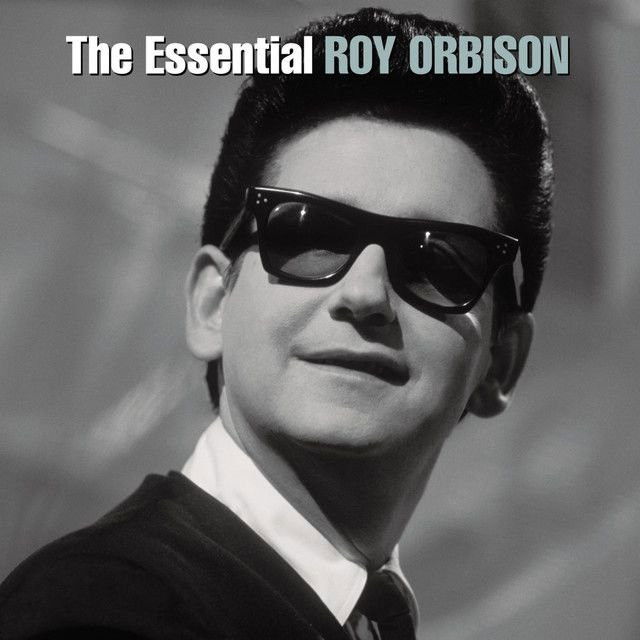
Why Roy Orbison's 'I Drove All Night' Burns
When people search for the meaning of I Drove All Night Roy Orbison, they usually hear one thing first: urgency. This song is about a person so overwhelmed by desire that they cannot wait for morning, a phone call, or a calmer plan. They get in the car and go.
"I Drove All Night" - Roy Orbison
Maybe I should have called you first
But I was dying to get to you
Loading lyrics...
Unable to load lyrics
We're unable to display the lyrics at this time. Please try again later.
That simple setup gives the song its power. In Roy Orbison’s hands, the story becomes bigger than a late-night visit. It sounds like longing turned into action, with romance, obsession, and vulnerability all packed into one dramatic ride.
The Heart of the Song Is Motion and Need
At its core, the song tells a direct story. The narrator feels trapped in a harsh world, described as sticky and cruel
, and chooses movement over waiting. They are not thinking logically. They are pulled forward by emotion.
The key idea is not just travel. It is emotional compulsion. The narrator says they were dreaming while I drove
, which suggests the trip is powered by fantasy as much as reality. They are already imagining reunion before it happens.
Interpretation: This is why the song feels so intense. The road is real, but it also represents the distance between desire and fulfillment. Every mile is a refusal to stay separated.
Watch the official I Drove All Night
music video
Roy Orbison Was Built Into the Song's DNA
A major fact behind the song changes how people hear it. Songwriters Billy Steinberg and Tom Kelly have said they wrote it in Roy Orbison’s style, inspired by the emotional drama he brought to songs like “Running Scared” and “Crying,” according to Songfacts. That means Orbison was not just one singer among many. He was part of the blueprint.
Steinberg also said Orbison recorded the song in 1987, but that version stayed unreleased for years because Orbison did not have a recording contract then. Cyndi Lauper released her version first in 1989, and it became a Top 10 U.S. hit. Orbison’s version arrived later, first appearing in 1991 and then on King of Hearts in 1992, with Jeff Lynne rebuilding the track around Orbison’s earlier vocal.
That history matters because Orbison’s recording can feel almost fated. Even though the public heard Lauper’s hit first, the song’s melodrama and soaring ache fit Orbison so naturally that his version often sounds like the emotional home of the lyric.
A Night Drive That Means More Than Travel
The song works because its images are simple and symbolic at once. The city is oppressive. The road is open. The beloved is somewhere at the end of that road.
Here is the emotional sequence:
- The narrator feels stuck and restless.
- Desire becomes too strong to ignore.
- The drive turns into a dream state.
- Arrival becomes an act of release.
The famous refrain I drove all night
does more than report what happened. It acts like proof. The narrator is saying: this feeling is so strong that they crossed darkness, fatigue, and common sense just to be near one person.
The Chorus Mixes Passion With Uncertainty
One of the smartest parts of the lyric is the repeated Is that alright?
After such a bold act, that question sounds almost fragile.
This gives the song emotional tension. The narrator is passionate enough to break normal boundaries, but still unsure how the other person will receive that intensity. That little question prevents the song from becoming pure swagger. It keeps the human risk in view.
I drove all night to get to you
Is that alright?
Even in this brief moment, the song balances confidence and need. The narrator has acted decisively, yet still wants permission, welcome, and emotional safety.
Desire, Memory, and the Idea of One Heart
The lyric also expands beyond physical attraction. Yes, the song is openly sensual, with lines about kisses and closeness. But it also argues that the two people share something deeper, hinted at in our one heart
.
That phrase suggests unity across distance. The lovers may be apart geographically, but the narrator believes they are emotionally joined. This belief is what justifies the all-night drive. In their mind, the trip is not an intrusion. It is a return.
Interpretation: Some listeners hear the song as romantic devotion; others may hear a slightly obsessive edge. Both readings make sense. The lyric intentionally lives where tenderness and desperation meet.
Why the Sound Makes the Meaning Hit Harder
Roy Orbison’s version lands because the production supports that emotional sweep. The song is rock-based, but it carries the grand, cinematic lift associated with Orbison’s classic recordings. Jeff Lynne’s posthumous production emphasizes momentum, echo, and a rising sense of release.
Orbison’s voice is the center of it all. He sings yearning better than almost anyone, and that matters here because the words are simple by design. His delivery gives them scale. What could sound impulsive in another singer becomes almost mythic with him.
This also fits what Steinberg said about the writing. The pre-chorus was crafted to echo Orbison’s dramatic style, especially the kind of melodic lift heard in “Running Scared.” So the song’s structure itself is built to surge upward, then burst into the chorus.
Why the Song Lasted Across Versions
Part of the reason the song endured is that its core idea is universal: love can make people do irrational things. Lauper emphasized control and female agency in her version, while Orbison brought tragic grandeur. Celine Dion later turned it into a glossy hit of her own. The story survived because the emotion is clear.
For listeners focused on the meaning of I Drove All Night Roy Orbison, the best answer is this: it is a song about desire so intense that distance becomes unbearable. The drive is literal, but it also stands for emotional surrender.
In Roy Orbison’s version especially, that surrender sounds huge, haunted, and deeply romantic.
Disclaimer: This interpretation separates documented facts about the song’s writing and release history from critical reading of the lyrics. Meaning can vary from listener to listener.









