
Shahdaroba by Roy Orbison
Heartbreak feels endless—until a voice like Roy Orbison’s reminds listeners that time carries them forward. "Shahdaroba" offers that reminder as a soothing charm, a single word that promises tomorrow will outshine yesterday.
"Shahdaroba" - Roy Orbison
And the moon glows
On the silent sand
Loading lyrics...
Unable to load lyrics
We're unable to display the lyrics at this time. Please try again later.
A Healing Charm Wrapped in Orbison’s Voice
At its core, the meaning of Shahdaroba Roy Orbison is simple: hope after loss. The song names the pain—when a dream dies
—and then answers it with a hush-toned mantra. Listeners are told to look ahead because the ache they feel now will fade.
Orbison’s delivery is the key. He doesn’t belt; he consoles. Against a smooth, early-60s pop setting, his famous tenor lands like reassurance from a trusted friend.
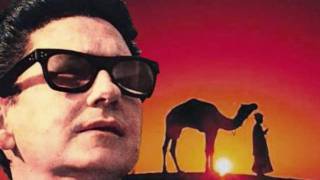
Watch the official Shahdaroba
music video
The Meaning, Plain and Clear
The lyric defines the title for listeners. In one of the clearest statements, the chorus promises:
Shahadaroba, Shahadaroba
Means the future is much better than the past
That line is the song’s thesis. As an interpretation, "Shahadaroba" functions like an invented word—part blessing, part instruction—to choose belief in what’s coming. The follow-up pledge, you will find a love that lasts
, frames the promise in romantic terms but also suggests endurance and stability.
Who’s Speaking, and Why the Desert Imagery Matters
The song uses a gentle second-person address. It speaks to “you,” the person in pain, and urges them to Face the future
. That direct guidance makes the advice feel personal, like a hand on the shoulder.
The opening image—Where the Nile flows
—pushes the scene into a mythic space. By invoking an “ancient land,” the lyric places private sorrow inside a vast timeline. Interpretation: the exotic desert setting isn’t about geography; it’s a storytelling device. It implies that heartbreak is as old as civilization, and so is recovery.
From Tears to Tomorrow: The Song’s Arc
"Shahdaroba" moves in three clean steps:
- It names the wound: dreams ending, tears falling, a world turned blue.
- It offers a bridge: whisper the word, trust the turn of time.
- It lands with promise:
the future is much better
and a lasting love awaits.
Even the line Fate knows what's best for you
eases the burden of decision. Interpretation: the song isn’t about passivity—it’s about loosening the grip on yesterday so that tomorrow can arrive.
Symbols and Motifs, Decoded
- Desert and moon: Stillness and distance. They suggest reflection before forward motion.
- Whispered word: Comfort arrives in quiet, not drama. Healing is subtle.
- Future vs. past: A moral axis. Turn your face toward dawn.
The motifs make the advice memorable without heavy exposition. They create a cinematic frame for a very small, very human moment.
How the Sound Carries the Promise
Orbison’s Monument-era recordings often blended rock and pop with the Nashville Sound: strings, soft percussion, and choir-like backing vocals. "Shahdaroba" follows that palette. The tempo unspools at a calm walk, not a sprint. Midrange strings cushion his voice, while gentle acoustic strums and brushed drums keep time.
Interpretation: the arrangement chooses warmth over spectacle. By avoiding sharp dynamic swings, the track keeps listeners steady, mirroring its message—keep going, don’t look back. Orbison’s head voice on key lines adds lift, like light breaking through cloud.
Context: Cindy Walker’s Pen, Orbison’s Empathy
Cindy Walker, one of American songwriting’s most reliable hitmakers, wrote "Shahdaroba." She also penned Orbison’s "Dream Baby (How Long Must I Dream)," which makes this song feel like a philosophical counterpart. Where “Dream Baby” aches with wanting, "Shahdaroba" answers with patience.
Recorded during Orbison’s early-1960s peak, the track sits alongside his other cinematic ballads. The production’s polish—often guided in this era by Monument’s team—gives the song its timeless gloss and radio-friendly glow.
Alternate Readings and Cultural Framing
- Interpretation 1: Breakup recovery manual. The advice is literal; mourn, then turn the page. That’s supported by lines promising new love.
- Interpretation 2: Life credo beyond romance. The word “Shahadaroba” reads like a universal mantra. The future is wider than any single relationship.
A note on the “ancient land” setting: it uses an exotic, faraway image to suggest timeless wisdom. Listeners today may see this as a common 1960s pop trope. The song’s heart, though, is not stereotype; it’s empathy.
Takeaway
The meaning of Shahdaroba Roy Orbison is steady, hopeful, and kind. It’s a handoff from grief to faith: name the pain, then step forward. Or, as the lyric sums it up, Face the future
—because the road ahead will surprise you.
Disclaimer: Song meanings are interpretive. Different listeners may reasonably hear different nuances.







