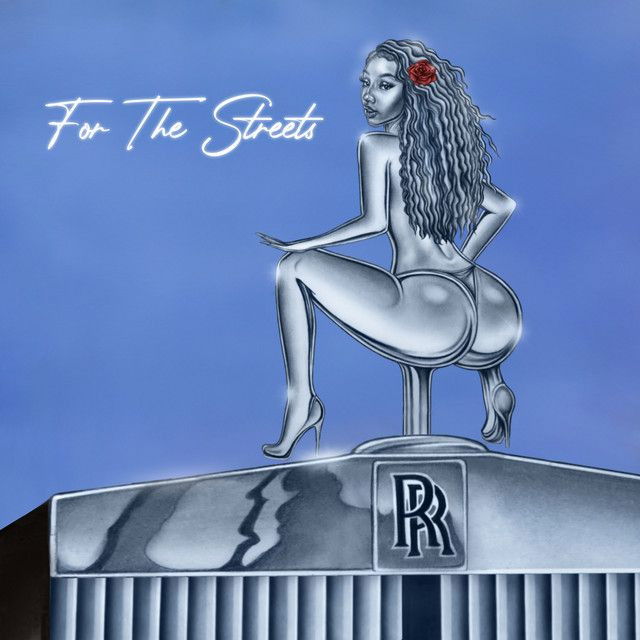
Back In The Booth by Rubi Rose
The meaning of Back In The Booth Rubi Rose comes through fast: it is a return statement, a flex record, and a warning shot at the same time. Rather than telling a deep plot, the song builds a persona. They present Rubi Rose as someone who has climbed up, made money, and now wants everyone watching to know they are still a force.
"Back In The Booth" - Rubi Rose
(Uncut)
I go get the money this shit ain't no problem
Loading lyrics...
Unable to load lyrics
We're unable to display the lyrics at this time. Please try again later.
A comeback framed as control
At the simplest level, the song is about status. The opening bars contrast struggle and success, showing a rise from the bottom to the top. When they say back in the booth
, the line does more than announce a new verse. It signals a re-entry into competition.
That matters because the song treats rap like a space where visibility can fade if an artist stops applying pressure. The repeated idea that people can take your spot
turns the track into a defense of reputation. They are not just celebrating success; they are protecting it.

Watch the official Back In The Booth
music video
Why the hook feels like a warning
The chorus is simple, but that simplicity is the point. Rubi Rose pairs a relaxed phrase, I'm boolin'
, with rising tension: it's gettin' hot
. In plain terms, they sound comfortable, but they also know the room is dangerous.
Interpretation: This contrast suggests two things at once. First, confidence is part of survival. Second, calm can itself be a power move. By sounding unbothered while describing a ruthless environment, they make control look natural.
The hook also widens the song beyond one feud. It is less about a single enemy and more about a whole ecosystem where artists, rivals, and opportunists are always looking for weakness.
Money, image, and earned authority
A big part of the meaning of Back In The Booth Rubi Rose is financial proof. The lyrics keep returning to money, purchases, and being paid for appearances. Those details are not random bragging. They work like evidence.
In this kind of rap song, wealth is presented as a scoreboard. If they can say they gettin' the loot
, then they are also saying the hustle worked. The song treats income as a public sign of value, especially in a scene where image and success are closely linked.
There is also a gender angle here. Rubi Rose pushes back against being underestimated, objectified, or reduced to internet attention. When the lyrics dismiss weak men and jealous women, they build authority through refusal. They are saying they cannot be easily used, copied, or talked down to.
The aggressive lines and what they do
Some of the verses are openly threatening. That language is common in hard-edged trap rap, where exaggeration and confrontation often build persona. Here, the aggression sharpens the song's central message: they are not asking for respect politely.
Interpretation: These bars can be read less as literal plans and more as competitive theater. The point is intimidation. Rubi Rose uses insult, mockery, and violent imagery to make challengers seem soft and themselves seem untouchable.
That reading fits lines built around humiliation rather than storytelling. They call rivals fans, jokes, and followers. In other words, the real battle is over rank. The threats support that larger claim.
How the sound carries the message
Production matters a lot on this track. The beat, credited in the intro tags to Romo and Uncut, sounds minimal, cold, and repetitive in a useful way. There is heavy low end, a sharp drum pattern, and enough empty space for every insult to land.
That sparseness helps the song feel direct. A busier instrumental might have softened the impact, but this one keeps the focus on attack lines and attitude. The repeated hook works almost like a chant, which turns the message into something memorable and club-ready.
Rubi Rose's delivery also shapes meaning. They rap with a clipped, steady force instead of sounding emotional or reflective. That style tells listeners the song is about command, not vulnerability. Even when the lyrics mention coming from the bottom, the tone stays focused on power in the present.
Artist context makes the song clearer
Rubi Rose has built a public image around boldness, glamour, and blunt self-assertion, including through releases and media coverage documented by outlets like XXL, Billboard, and Pitchfork. That context helps explain why this track leans so hard into dominance: it fits a larger brand built on confidence and confrontation.
The listed writers provided here are Deandre Hunter, James Easton Brooks, and Rubi Rose Benton. That credit line supports the idea that the song is crafted as a tight, persona-driven statement rather than a loose freestyle. Every repeated phrase pushes the same core idea: they are back, paid, and not easy to replace.
A sharp final reading
So what is the meaning of Back In The Booth Rubi Rose? It is a song about returning to the mic to reclaim space. Its themes are ambition, survival, status, and self-protection.
Interpretation: Beneath the bragging, there is a defensive edge. The song sounds like someone proving they still belong before anyone can question it.
Disclaimer: This interpretation is based on the lyrics provided, the song's performance style, and publicly known artist context. Like most rap songs, it may blend literal feeling, exaggeration, and persona.









