What “Dumb Girl” by Run–D.M.C. Really Means
A Blunt Song With a Complicated Legacy
The meaning of Dumb Girl Run–D.M.C. starts with a simple idea: they are delivering a harsh warning to a teenage girl they see as reckless, image-driven, and too impressed by male attention. The song frames her choices as self-destructive, and the repeated hook turns that judgment into a label.
"Dumb Girl" - Run–D.M.C.
If you know about the ladies and all his babys
You diss on his rhymes a million times
Loading lyrics...
Unable to load lyrics
We're unable to display the lyrics at this time. Please try again later.
That is the core message. But the song is also more complicated than a basic insult track. It tries to sound like tough advice, yet it does so in a way that feels mocking and controlling. For modern listeners, that tension is the most important part of the song’s meaning.
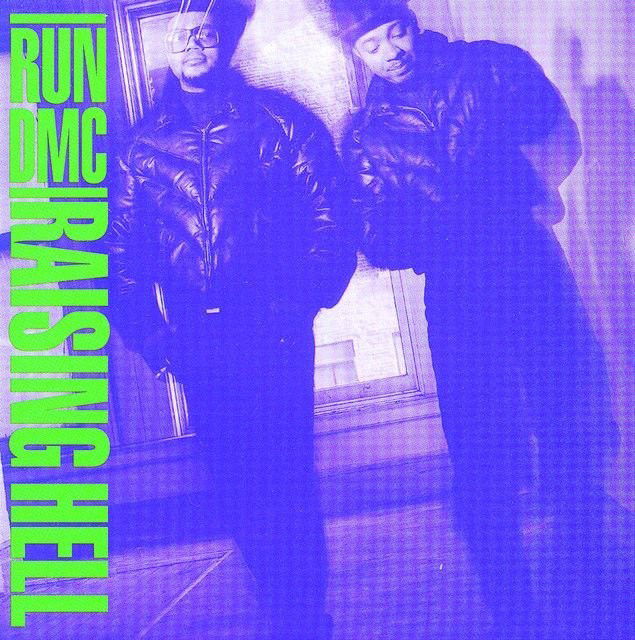
Run–D.M.C. released “Dumb Girl” on Raising Hell in 1986, the same album that became the first platinum and multi-platinum hip-hop record and helped push rap further into the U.S. mainstream. The album was produced by Russell Simmons and Rick Rubin and is widely seen as a landmark release in hip-hop history.

Watch the official Dumb Girl
music video
Who They Are Talking To
In the verses, they speak directly to a young woman and describe her as someone chasing status, skipping school, and confusing attention with love. Early on, they suggest she is drawn to a rapper for fame and money rather than real feeling. When they say dumb girl
, they are not just calling her foolish. They are reducing her whole identity to one bad pattern.
That matters because the song keeps mixing moral advice with put-downs. They warn her not to get carried away by celebrity and not to lose herself in fantasy. One line pushes that idea with just be his fan
, meaning she should stop imagining romance with a famous man and see the situation clearly.
Interpretation: the speaker wants to sound protective, but the song’s language makes that protection feel less caring than disciplinary. It is a lecture delivered in public.
The Story the Lyrics Tell
The song moves through a few clear stages:
- First, they accuse her of chasing a rapper for money and image.
- Next, they shift to school and social life, presenting her as popular but unserious.
- Then they connect sexual reputation, drug use, and bad judgment.
- Finally, they claim they are speaking truth for her own good.
That structure is why the song lands as both narrative and scolding. They are not describing one single event. They are building a character sketch of someone they think is moving too fast. The phrase out of your mind
supports that portrait by making her seem irrational, not just immature.
There is one moment where the song sounds closest to advice rather than ridicule:
listen to the words that I speak
never be weak
Even here, though, the message is framed from a position of authority. They are teaching, judging, and naming all at once.
The Hook Turns Warning Into Shame
The chorus is musically simple and emotionally heavy. By repeating dumb dumb dumb
, the song drills one verdict into the listener’s head. That repetition is why the track feels more severe than a typical cautionary rap verse.
Instead of opening space for the girl to change, the hook keeps sealing her inside the insult. In other words, the chorus does not just describe behavior. It brands the person.
Interpretation: this is why the song can sound dated or uncomfortable now. Its moral lesson is easy to understand, but its method is public humiliation.
What the Song Is Really Criticizing
At its base, “Dumb Girl” criticizes three things:
- chasing fame through association
- mistaking lust or status for love
- giving up education and self-respect for quick attention
Those themes fit early hip-hop’s love of direct, street-level lessons. Run–D.M.C. often balanced braggadocio with social commentary, and Raising Hell includes both party records and message-driven songs. Here, they aim at a person who seems trapped by appearances.
Still, there is a limit to the song’s viewpoint. It blames the girl almost entirely, while giving much less attention to the culture around her: male power, school pressure, celebrity fantasy, and the way young women are judged more harshly than young men.
That is why some critics looking back at Raising Hell have noted that parts of the album carry “misogyny,” even while praising its energy and importance. That criticism helps explain the mixed reaction “Dumb Girl” can draw today.
How the Production Carries the Message
The sound strengthens the message. Raising Hell was made during Run–D.M.C.’s stripped-down, hard-beat period, and D.M.C. later said the group had a clear plan, with Rick Rubin focused on music and instruments while the group handled much of the writing and direction.
On “Dumb Girl,” the beat is spare, rigid, and confrontational. There is little softness in the groove, which fits a song built on accusation. The vocal delivery is clipped and forceful, almost like a schoolyard chant crossed with a sermon.
That matters for meaning. If the production were warmer or more playful, the song might feel teasing. Instead, the hard rhythm and repeated hook make it sound like a verdict.
Artist Context Changes the Reading
Because “Dumb Girl” appears on Raising Hell, it sits inside a huge cultural moment. The album reached No. 3 on the Billboard 200, hit No. 1 on the Top R&B/Hip-Hop Albums chart, and later entered the National Recording Registry. It is one of hip-hop’s foundational mainstream breakthroughs.
That history does not excuse the song’s harshness, but it does explain it. Mid-1980s rap often used extreme directness, stock characters, and cautionary storytelling. In that frame, “Dumb Girl” plays like a morality tale. In a modern frame, it also reads as a document of how women were often talked about in male rap narratives of the era.
Final Take on the Meaning
So, what is the meaning of Dumb Girl Run–D.M.C.? They are condemning a girl they see as blinded by fame, sex, and status, while trying to push a lesson about self-respect and better choices. The problem is that the song’s lesson arrives through ridicule, not empathy.
That mix is what makes the track memorable and uneasy at the same time. It is part warning, part character attack, and part time capsule from an era when hip-hop was breaking into the mainstream with enormous force.
Disclaimer: This interpretation is based on the lyrics, recording context, and public reception. Meaning can vary by listener, and not every reading will be the same.








