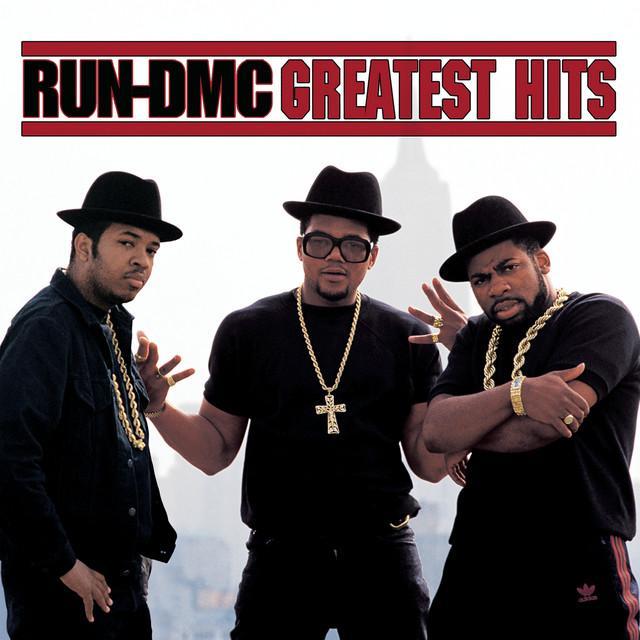
Why ‘Rock Box’ Changed Rap Forever
The meaning of Rock Box Run–D.M.C. starts with confidence, but it does not end there. On the surface, the song is a hard, funny, competitive rap record where they brag about their skills and style. Under that surface, it is also a statement about who gets to sound powerful in popular music.
"Rock Box" - Run–D.M.C.
Live for you
(Fresh) fresh, yeah
Loading lyrics...
Unable to load lyrics
We're unable to display the lyrics at this time. Please try again later.
Released in March 1984, just before the group’s debut album Run-D.M.C., the single was produced by Larry Smith and Russell Simmons and became a landmark in rap-rock history. It also helped make Run-D.M.C. the first rap act to get regular MTV rotation with the song’s video. Those facts matter because the song’s meaning is tied to its breakthrough sound and visibility.
More Than Bragging Rights
Lyrically, “Rock Box” works like a challenge. They call out weak rappers, praise their own talent, and turn the microphone into a contest they fully expect to win. When they dismiss sucker MCs
, they are not just insulting rivals. They are drawing a line between authentic stage control and empty imitation.
That battle-rap stance was common in early hip-hop, but Run-D.M.C. make it feel sharper and more stripped down. Their rhymes are direct, rhythmic, and easy to follow. Instead of romantic stories or political speeches, they focus on craft, presence, and command of the room.
Interpretation: the song is about artistic authority. They are saying they earned their place by being better live performers, better writers, and better crowd-movers.
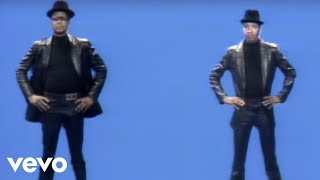
Watch the official Rock Box
music video
A Crowd-Rocking Mission at the Center
Even with all the boasting, the song is not only about beating other rappers. It is also about creating movement and energy in public space. Lines about rocking the room from floor to ceiling and making people get in motion frame rap as a physical event, not just a recording.
That matters because Run-D.M.C. came out of a performance culture shaped by park jams, DJ routines, and crowd response. According to accounts of the recording era, they wanted the feel of the breakbeat tapes DJs played before rap records fully captured that energy. In that sense, “Rock Box” is a recording that still thinks like a live set.
Their call to the audience is simple: listen, stay present, and move. The song keeps returning to body language—clapping, shaking, stepping, snapping—as proof that the music is working.
The Sound Says as Much as the Words
The biggest reason “Rock Box” still stands out is its production. Larry Smith built the track around an Oberheim DMX drum machine, live bass, and layers of electric guitar played by Eddie Martinez. That guitar was not sampled; it was performed and overdubbed in the studio, giving the track its aggressive edge.
This is where the song’s meaning expands. The beat is still hip-hop, but the guitar makes the record sound bigger, louder, and harder to ignore. It turns rap bravado into something almost architectural.
Jam Master cut the recordand the beat keeps driving forward.
That short moment sums up the song’s balance: DJ culture stays central, even while rock textures burst through the speakers.
Why the guitar matters
Run and D.M.C. were reportedly unsure about the rock-heavy version at first, and even Profile Records thought it sounded unusual. But the final release proved that strange could become historic. The guitar did not replace hip-hop identity; it amplified it.
Interpretation: the rock elements symbolize expansion. They let Run-D.M.C. sound like they belong in rap battles, clubs, radios, and eventually arenas.
Style, Image, and Everyday Identity
One of the most memorable parts of the song is how casually they define themselves through dress and attitude. When they reject designer branding with Calvin Klein’s no friend of mine
, they are making more than a joke. They are choosing a street-level identity over polished fashion status.
That fits Run-D.M.C.’s larger image. Their look—sneakers, hats, jackets, and no glamour costumes—helped shift hip-hop away from a more theatrical earlier style and toward the b-boy look that became iconic. Critics and artists later pointed to Run-D.M.C. as a group that made rap feel more like everyday life.
So the meaning here includes self-definition. They do not need luxury symbolism to seem important. Their credibility comes from skill, crew loyalty, and recognizable real-world style.
Why “Rock Box” Was a Cultural Turning Point
The song’s impact goes beyond lyrics. The music video, directed by Steve Kahn, became the first hip-hop video in regular rotation on MTV. That gave rap a new national platform at a time when television exposure could reshape a career.
By May 1985, the single had reportedly sold more than 750,000 copies. It also placed highly in year-end critical conversation, including The Village Voice’s Pazz & Jop poll. Later, Joseph Simmons said “Rock Box” was the record that took them beyond their local world and into something larger.
That is why the meaning of Rock Box Run–D.M.C. is partly historical. The song represents rap insisting on mainstream attention without softening its voice. It kept the toughness, the humor, and the neighborhood energy, then pushed all of it through rock volume and television reach.
The Lasting Meaning of “Rock Box”
In the end, “Rock Box” is about dominance, movement, and transformation. They present themselves as unbeatable MCs, but the song also shows hip-hop crossing a border. It takes a local culture and gives it a sound the wider industry could no longer ignore.
Its message is not subtle, and that is part of its power. They are here, they are better than the imitators, and they are going to make the whole room respond. With phrases like master of a mic
and all in motion
, the song turns skill into action.
Interpretation: “Rock Box” means that hip-hop did not need permission to evolve. Run-D.M.C. made a record that sounded risky, then helped make that risk feel inevitable.
Disclaimer: Song meaning is always part fact and part interpretation. This reading is based on the lyrics, production history, and documented reception of the song.







