How Rush Turned Stormlight Into Awe
The meaning of Jacob's Ladder Rush comes into focus once they stop treating it like a Bible lesson and hear it as a weather painting. Rush built the song around a real visual event: shafts of sunlight breaking through dark clouds. What makes it powerful is how they turn that simple scene into a meditation on tension, wonder, and release.
"Jacob's Ladder" - Rush
In the dark and brooding silence
Bruised and sullen storm clouds
Loading lyrics...
Unable to load lyrics
We're unable to display the lyrics at this time. Please try again later.
On paper, the lyric is brief and descriptive. In performance, though, it feels huge. That contrast is the key to why the song has lasted.
A Storm Scene With Spiritual Weight
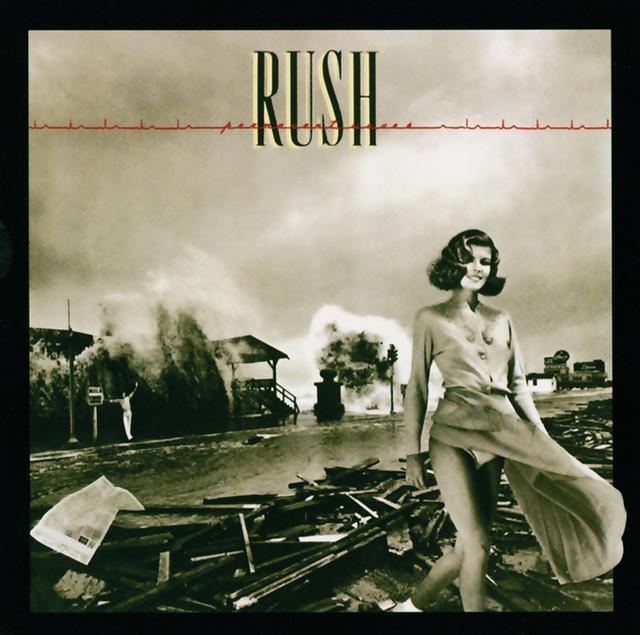
Factually, "Jacob's Ladder" appears on Permanent Waves and was released in 1980. It was written by Geddy Lee, Alex Lifeson, and Neil Peart, and produced by Rush with Terry Brown, according to Wikipedia and Songfacts.
Neil Peart later said the song "simply describes" sunlight breaking through clouds, and that the title referred to the traditional name for that phenomenon, as quoted by Songfacts. That matters because it grounds the song in observation first, symbolism second.
Still, the symbolism is hard to miss. The opening presents nature as conflict: clouds gather, darkness deepens, and the sky feels heavy. Phrases like prepare for battle
and dark and brooding silence
make the storm feel almost human.
Interpretation: Rush uses weather to dramatize an emotional state. The storm can be heard as anxiety, dread, or a period of waiting before insight arrives.
Watch the official Jacob's Ladder
music video
From Ominous Pressure to Sudden Clarity
The song’s basic arc is simple, but very effective:
- The sky closes in.
- The air feels tense and threatening.
- The clouds break.
- Light arrives in visible beams.
- People look up and imagine something larger than themselves.
That turning point is the heart of the song. After all the heaviness, the lyric suddenly opens with clouds are parted
and light streams down
. The language becomes cleaner and less oppressive.
There is only one real “reveal” in the text, and Rush wisely lets it land without clutter:
Follow men's eyes
as they look to the skies
Those lines shift the song from pure description to human meaning. The weather is not just happening overhead. It changes the people watching it.
Why the Image Feels Bigger Than Weather
The title adds a second layer. "Jacob's Ladder" comes from the Genesis story of a ladder or stairway between earth and heaven. Rush is not retelling that story, but they are borrowing its emotional charge. A natural light effect becomes a symbol of connection between the ordinary world and something beyond it.
That is why the ending image matters so much. The lyric describes shining bands that seem to weave the fabric
of dreams. In plain terms, the sight inspires imagination. People see a break in the storm and project meaning onto it.
Interpretation: The song suggests that hope is not always logical or permanent. Sometimes it arrives as a brief visual experience that reminds people to think upward, outward, and beyond immediate trouble.
The Music Does Most of the Talking
One reason the meaning of Jacob's Ladder Rush resonates so strongly is that the band composed the music first. Peart told Sounds that Rush approached it as a "cinematic idea," creating the music to summon the image before adding lyrics, as preserved by Songfacts and Wikipedia.
That method explains the structure. The first half is dark, heavy, and mechanical, with shifting meters and a sense of looming force. The arrangement feels like storm systems colliding. Alex Lifeson’s guitar lines grind and climb, while Geddy Lee’s bass and Neil Peart’s drums create pressure rather than comfort.
Then the texture opens. The band does not become soft, exactly, but they become radiant. The change in dynamics mirrors the lyric’s movement from shadow to illumination.
For a progressive rock song, it is unusually visual. Listeners can almost see the cloud bank, the break, and the angled light.
A Key Song in Rush’s Evolution
"Jacob's Ladder" also matters in Rush’s career. Geddy Lee later said songs like this helped the band find a middle ground between very long epics and shorter, tighter writing, according to Ultimate Classic Rock. So while it runs over seven minutes, it points toward the more concise ambition of Permanent Waves.
It also became a fan favorite over time. Lee admitted the band lost interest in playing it for a while, but fan demand brought it back, and he eventually said they enjoyed it again on the R40 tour, as reported by Ultimate Classic Rock.
That response makes sense. The song offers classic Rush strengths in one package:
- vivid imagery
- complex structure
- dramatic dynamics
- a thoughtful, almost philosophical mood
The Best Way to Read the Song
The clearest reading is the simplest one: Rush describes a storm breaking open and sunlight pouring through. But the reason people return to it is the emotional shape hidden inside that scene.
Interpretation: The storm stands for any period of strain, and the sudden beams of light stand for moments of perspective. The song does not promise permanent peace. It captures a brief revelation that feels life-changing because it appears against darkness.
That balance keeps the song from becoming sentimental. It is not naïve optimism. It is earned awe.
Why "Jacob's Ladder" Still Connects
For many listeners, the song says that nature can interrupt fear. A sky that looked hostile a moment earlier can suddenly look meaningful. Rush turns that change into sound, then lets the listener decide how spiritual, psychological, or poetic the moment feels.
In that sense, the meaning of Jacob's Ladder Rush is about more than clouds. It is about the instant when pressure gives way to vision.
Disclaimer: Song meaning is interpretive. Unless directly stated by the writers, some readings above are informed interpretations rather than confirmed intent.








