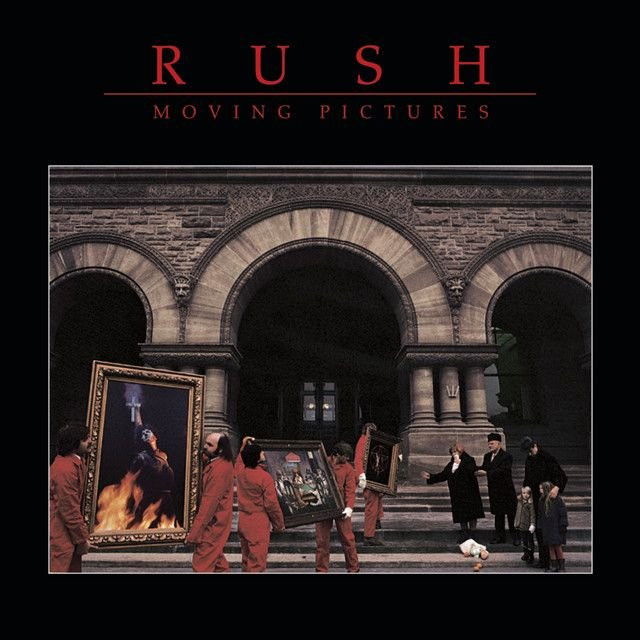
Why Rush's 'Red Barchetta' Still Feels Free
The meaning of Red Barchetta Rush starts with a simple thrill: a forbidden drive. But the song is bigger than a chase scene. On Moving Pictures (1981), Rush built a near-future story where a preserved sports car becomes a symbol of memory, independence, and the right to risk something for joy.
"Red Barchetta" - Rush
That no one knows about
He says it used to be a farm
Loading lyrics...
Unable to load lyrics
We're unable to display the lyrics at this time. Please try again later.
Factually, the song appeared on Rush's 1981 album Moving Pictures and was written by Neil Peart, Geddy Lee, and Alex Lifeson. It was produced by Rush and Terry Brown, and it drew inspiration from Richard S. Foster's short story A Nice Morning Drive.
A Future World Built on Control
At the story level, the narrator visits an uncle who has hidden an old car since the era before the Motor Law
. The law is never fully explained, but the lyrics make its effect clear: older, more human machines have been pushed out by a safety-first system.
That setup gives the song its tension. The car is not just vintage. It is illegal, preserved in secret, and tied to a lost world the lyrics call a better vanished time
. That phrase matters because it turns the vehicle into more than an object. It becomes a piece of cultural memory.
Interpretation: the song is not arguing against safety in a literal policy sense. Instead, it imagines what happens when control goes so far that it removes pleasure, skill, and personal choice from everyday life.
Watch the official Red Barchetta
music video
The Story Moves Like a Short Film
Rush tells the plot with unusual clarity. The narrator slips past surveillance, reaches the uncle's rural hideout, uncovers the car, and takes the weekly drive that the lyric bluntly calls a weekly crime
.
The middle of the song shifts from secrecy to sensation. Rather than listing facts, the lyric gives flashes of touch, speed, and smell. That is why the drive feels alive. The listener does not just understand the event; they feel its pull.
Then comes the pursuit. A gleaming alloy air-car
appears, then another joins the chase. The danger raises the stakes, but it also sharpens the theme. In this world, freedom is brief, physical, and always under threat.
Why the Car Means More Than a Car
The red Barchetta stands at the center of everything. In automotive language, a barchetta is a small open sports car. The term is Italian for a little boat, and it often refers to a lightweight two-seater.
That image fits the song perfectly. This is not a sealed, automated machine. It is exposed, responsive, and intimate. The narrator feels the world directly: wind, sunlight, heat, and danger all arrive without a barrier.
Interpretation: the car represents old-fashioned agency. Driving it requires presence. That is why the song treats the machine almost like a living partner rather than a tool.
Wind in my hair
Mechanical music
Adrenaline surge
These short phrases condense the emotional core of the song. The drive is not about status. It is about sensation, alertness, and being fully awake.
How Rush's Music Creates Motion
One reason "Red Barchetta" is so beloved is that the arrangement mirrors the story. Alex Lifeson's opening guitar harmonics create distance and secrecy, like dawn at the edge of a hidden property. Then the band shifts into a more forceful groove that feels like ignition.
Song structure does important narrative work here. The music swells, relaxes, and accelerates in ways that match the escape and chase. Analysts have noted the song's syncopation and shifting meters, including passages that alternate 4/4 and 3/4, which help create forward thrust before returning to a calmer resolution.
Alex Lifeson once said the goal was to make the song feel vivid, almost like a movie, and that intention shows. The dynamics are crucial: quiet opening, driving middle, screaming pursuit, and a gentle return. The ending matters because it restores the private world the chase tried to destroy.
Artist Context Helps Explain the Theme
Rush often wrote about individuality, intellect, and pressure from systems larger than the self. In that context, "Red Barchetta" fits naturally. Neil Peart's lyric takes a science-fiction premise and makes it emotional instead of cold.
The song's known inspiration also supports that reading. Richard S. Foster's story imagined a future shaped by strict rules and oversized safety vehicles. Rush transformed that idea into something less technical and more lyrical, centered on family memory and the thrill of reclaiming a human experience.
Reception adds another clue. Critics and fans have long treated "Red Barchetta" as one of Rush's essential songs, and its high rankings on major Rush song lists reflect how strongly its story and sound connect.
The Best Way to Read the Ending
The narrator escapes by using a one-lane bridge the larger pursuers cannot cross. On the surface, it is a clever action beat. Symbolically, it suggests that huge systems can still lose to agility, memory, and courage.
Back at the farm, the dream continues by the fireside. That closing image is quiet, but it is not passive. It says some freedoms survive because people protect them, share them, and remember them.
Why the Meaning Still Lands Today
The meaning of Red Barchetta Rush still resonates because it speaks to a modern fear: that convenience and control can flatten life until it feels safe but numb. Rush answers that fear with a story about risk, beauty, and a machine that reconnects a person to the world.
Interpretation: at heart, the song says freedom is not abstract. It is something they can hear, touch, and almost lose.
Disclaimer: This interpretation blends documented facts about the song's background with informed reading of its lyrics and music. As with most great songs, listeners may hear additional meanings.







