Mastering The List by Rx Bandits
Why This Song Still Hits Hard
The meaning of Mastering The List Rx Bandits centers on pressure: pressure to fit in, consume correctly, and live by a script someone else wrote. The song argues that modern life can reduce people to data, status markers, and social roles, while real feeling gets pushed aside.
"Mastering The List" - Rx Bandits
And it won't be long now, won't be long now
They got you thinking what you want to believe
Loading lyrics...
Unable to load lyrics
We're unable to display the lyrics at this time. Please try again later.
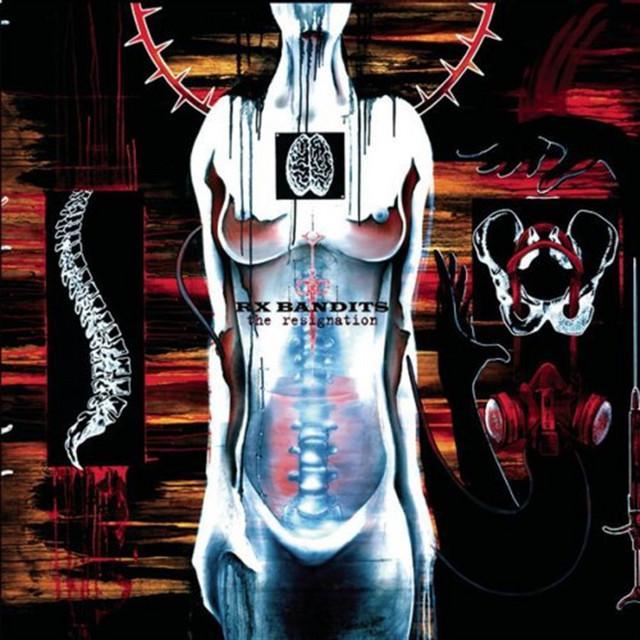
That message fits Rx Bandits well. The California band began in the 1990s ska scene but steadily moved into a more hybrid sound that mixed ska, rock, prog, and punk energy, as outlined in their band history. By the early 2000s, they were writing more openly political songs, especially around the era of The Resignation, their 2003 album and breakthrough release on the Billboard Heatseekers chart.

Watch the official Mastering The List
music video
The Core Idea Beneath the Anger
At its heart, this song is about resisting dehumanization. The lyrics describe a world where identity gets built from outside approval: the right clothes, the right songs, the right car, the right crowd. In other words, culture becomes a checklist.
The opening warning sets the tone. The song says people are taught what to want and what to believe, not through force alone but through constant social conditioning. When the lyric mentions right clothes
and right songs
, it is not mocking style itself. It is criticizing the idea that taste can become a cage.
Interpretation: the title “Mastering the List” sounds sarcastic. It suggests someone has become very good at following the rules of approval, but in doing so, they may have lost their own center.
A Life Reduced to Steps and Numbers
The second verse makes the song’s argument even clearer. It lays out a familiar life path: school, job, marriage, kids, car. None of those things are attacked on their own. The problem is the unthinking way they can be presented as the only valid route.
This is the song’s sharpest social critique. It asks what happens when success becomes routine obedience. The line about a plaque on the wall
points to shallow achievement, while the reference to a statistic or chart suggests people being counted more than understood.
The chorus then answers that fear with resistance. When the song says no number
and later replace me
, it rejects the idea that a human being can be summarized as output, rank, or market value.
Questions for forgiveness
Human life replacement
Love is gone to waste
Those lines do a lot in very little space. They suggest guilt, substitution, and emotional loss. The song is not just upset about bureaucracy. It is grieving what gets erased when people let systems define their worth.
What the Chorus Really Means
The chorus is where frustration becomes a warning. The repeated idea of “questions” instead of answers suggests a world full of uncertainty and moral compromise. People come looking for truth, but what they find is confusion, compromise, and self-betrayal.
The phrase giving ourselves away
matters here. The song implies that this loss is partly imposed from outside, but also partly accepted. People trade freedom for comfort, belonging, and convenience.
That is why the line about convenience strangling art is so important. It broadens the song from personal identity to culture at large. If convenience rules everything, then originality, risk, and real feeling get flattened. Art becomes product, and people do too.
Sound and Production as Meaning
Rx Bandits were never a simple one-genre band. Around The Resignation, they were expanding beyond ska-punk into a more adventurous mix of live-band muscle, horn accents, layered keys, and unusual rhythmic movement. According to the album notes summarized in coverage of The Resignation, much of the core instrumentation was recorded live in the studio, giving the songs an urgent, human feel.
That matters for “Mastering the List.” The performance feels restless rather than mechanical. The drums push forward, the guitars bite, and the arrangement keeps a sense of tension alive. Even when the song is catchy, it does not sound comfortable.
This creates a smart contrast: the lyrics attack a numbered, packaged world, while the music sounds alive, imperfect, and full of motion. The band’s style itself becomes part of the argument. They are not singing about individuality in a flat, corporate way; they are embodying it through energy and unpredictability.
Artist Context Helps Explain the Message
Rx Bandits came out of Orange County’s third-wave ska era, but they refused to stay boxed in. Drummer Chris Tsagakis once said in a Skratch interview, quoted in band history, that the group made music that “transcends genres.” That idea connects strongly to this song’s meaning.
“Mastering the List” sounds like a band pushing against labels in every sense. It rejects social labels, market labels, and even musical labels. For a group that was evolving fast in the early 2000s, that message feels personal as well as political.
Interpretation: the song may also reflect the pressure young adults feel when entering the workforce and broader consumer culture. It captures the moment when adolescence ends and society starts handing over the approved template for adulthood.
The Lasting Meaning of Mastering The List Rx Bandits
The lasting meaning of Mastering The List Rx Bandits is that human value cannot be measured by conformity. The song challenges systems that sort people into roles, numbers, and predictable life stages, then call that freedom.
Its final emotional move is not despair but refusal. Beneath all the anger is a defense of individuality, art, and love. The song insists that no chart, barcode, or life script can fully define a person.
That is why it still feels current. In a culture driven by metrics, branding, and public performance, its message lands even harder now than it likely did on release.
Disclaimer: This article offers an interpretation based on the lyrics, band context, and available sources. Song meaning can remain open to more than one valid reading.








