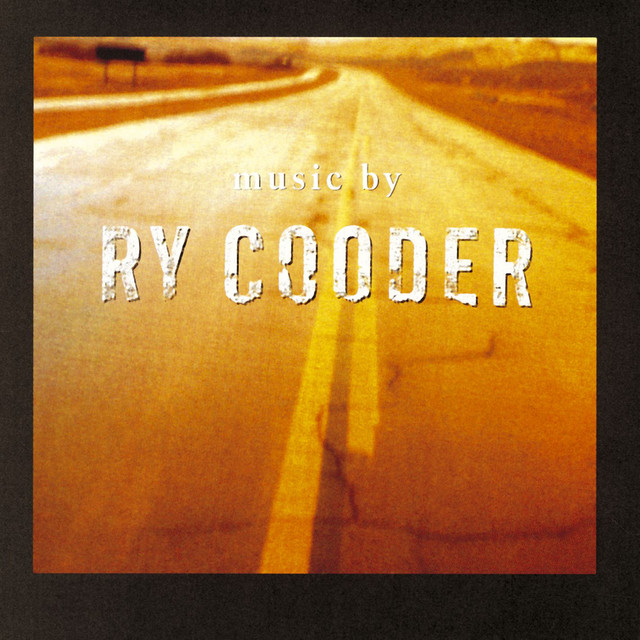
Across the Borderline by Ry Cooder
A border song that refuses easy answers
The meaning of Across the Borderline Ry Cooder begins with a promise and then questions it. The song speaks about migration, dreams, and the painful gap between what people are told and what they actually find. It is often heard as a song about crossing from Mexico into the United States, but its deeper subject is larger: the human cost of chasing a better life.
"Across the Borderline" - Ry Cooder
Every street is paved with gold
And it's just across the borderline
Loading lyrics...
Unable to load lyrics
We're unable to display the lyrics at this time. Please try again later.
Written by Ry Cooder, John Hiatt, and Jim Dickinson, the song first appeared in connection with the 1982 film The Border. It was also later covered by other artists, including Freddy Fender and Willie Nelson; the Wikipedia entry notes the title track connection and credits. That history matters because the song sits between film storytelling, border politics, and American roots music.
Watch the official Across the Borderline
music video
The central message: hope mixed with warning
At its core, the song describes a dream of arrival. Early lines paint a place where every street seems bright and rich, summed up in the phrase paved with gold
. The song presents that image not as fact, but as a story people are told.
Then it turns. The border is not just a doorway to freedom. It is also a test that can demand more than a person can afford to lose. The line lose more than
points to that cost. Family, safety, dignity, and even identity can be damaged along the way.
Interpretation: The song does not mock migrants for believing in the dream. Instead, it shows how powerful hope can be when life at home leaves few choices. The warning is aimed less at the dreamers than at the false myths around them.
How the verses build a tragic journey
The song unfolds in stages, almost like a short film:
- A person hears of a better land.
- They make the risky journey.
- They arrive and find a
broken promised land
. - Even after crossing, they remain emotionally and socially stranded.
That final idea is key. The refrain keeps returning to across the borderline
, but not in a simple victory sense. Crossing does not automatically mean belonging. A person may reach the other side and still feel suspended between worlds.
The song’s second verse is especially harsh. It says dreams can slip away after all the sacrifice. That turns the border into a cruel paradox: people pay everything to move forward, yet may end up stuck in the same pain, only in a different place.
The Rio Grande as symbol and reality
One of the song’s strongest images is the Rio Grande. It is a real river and a loaded symbol in American culture. In the lyric, the river holds a thousand footprints
, suggesting many crossings, many stories, and many losses.
The border here is not only a line on a map. It becomes a space between life and death, desire and disappointment, home and exile. The song even says the river lies between our life and death
, which raises the stakes beyond economics. This is survival.
The brief Spanish section deepens that feeling. It brings in another voice and reminds listeners that this story belongs to the people making the crossing, not only to observers on the outside. The shift in language makes the song feel more intimate and more grounded in lived experience.
En la triste oscuridad
hoy tenemos que cruzar
Those lines describe crossing in sadness and darkness. Even without many words, they carry fear, urgency, and resolve.
Why the chorus hurts so much
The chorus lands with unusual force because it joins warning to momentum. The song admits that hope can survive after pride is stripped away. That is devastating, but also humane. Even when people have been misled or beaten down, they keep moving.
Interpretation: This is the song’s deepest truth. Hope is not shown as naive. It is shown as necessary. The chorus understands that people continue because standing still may be worse than the risk ahead.
That is why the repeated return to the title phrase feels unresolved. The border is crossed physically, but emotionally it keeps reappearing. The person is always near belonging, near safety, near fulfillment—yet never fully inside it.
How Ry Cooder’s sound shapes the meaning
Ry Cooder’s music often blends American roots styles with borderland sounds, and that makes him a natural fit for this material. In “Across the Borderline,” the arrangement is restrained and mournful rather than dramatic. The performance lets the story carry the weight.
The song is often associated with roots, folk, and R&B-inflected storytelling, and that mix matters. Gentle rhythm, spacious phrasing, and a weathered vocal approach give the track a human scale. It does not sound like a protest anthem. It sounds like testimony.
That choice helps the message. Instead of turning migrants into symbols, the song lets them feel like people with fragile expectations. Later versions, including Willie Nelson’s on his 1993 album Across the Borderline, kept that reflective quality, which shows how durable the writing is.
A song about America as much as the border
The meaning of Across the Borderline Ry Cooder is also about America itself. The song asks what kind of nation exists behind the dream image. Is it a place of welcome, or a machine that feeds on longing?
The answer is complicated. The lyrics do not deny opportunity, but they focus on the system of illusion around it. The promised land exists in stories, advertisements, and rumor. Real life, the song says, may be far colder.
That is why the song still matters in the United States. It speaks to immigration, yes, but also to the wider gap between national myth and lived reality.
Final takeaway
“Across the Borderline” is about the painful distance between hope and arrival. It honors the courage of people who cross while warning that the dream waiting for them may already be broken.
For many listeners, that tension is what makes the song unforgettable: it is tender toward migrants, skeptical of promises, and deeply aware of what survival can cost.
Disclaimer: This interpretation is based on the lyrics, recording context, and public song history. As with any work of art, listeners may hear different meanings in it.







