Why 'The Sweetest Taboo' Feels So Forbidden
The meaning of The Sweetest Taboo Sade starts with a tension the song never fully solves. It sounds soft, elegant, and warm, yet its language keeps circling secrecy, risk, and desire. That contrast is the whole point. They present love as a source of comfort and joy, but also as something that feels almost off-limits.
"The Sweetest Taboo" - Sade
If I tell you now
Will you keep on
Loading lyrics...
Unable to load lyrics
We're unable to display the lyrics at this time. Please try again later.
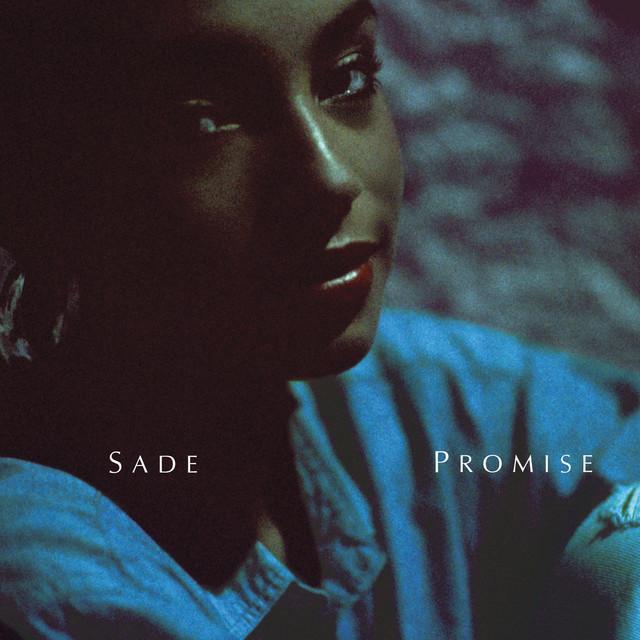
Released on 4 October 1985 as the lead single from Promise, the song became one of Sade’s defining hits, reaching No. 5 on the US Billboard Hot 100 and No. 1 on Adult Contemporary. It was written by Sade Adu and Martin Ditcham, and produced by Robin Millar and Sade. Those facts matter because the record’s polished restraint is a big part of its meaning, not just its style.
A Love Song Built on Secrecy
At the simplest level, the song is about a person overwhelmed by a relationship that feels too good, too intimate, or too risky to name openly. The speaker keeps asking whether love will continue if they reveal their feelings. That fear turns desire into vulnerability.
The title phrase, the sweetest taboo
, suggests pleasure mixed with prohibition. The relationship may be secret, socially complicated, or simply so intense that it feels forbidden. Interpretation: the song leaves the exact reason undefined on purpose, which allows listeners to hear either an affair, a nontraditional love, or a deeply private erotic bond.
That openness is why the song has lasted. It never explains the taboo in plain terms. Instead, it lets the listener sit inside the emotion.

Watch the official The Sweetest Taboo
music video
The Chorus Turns Pleasure Into Devotion
The chorus does more than repeat the title. It reframes the relationship as something transformative. When the singer asks about being loved and about someone bringing out the best
in them, the song moves beyond attraction and into dependence, gratitude, and trust.
That is why the song feels richer than a simple seduction track. The beloved is not just exciting. They are healing, affirming, even life-changing. The repeated idea that this person is too good for me
adds humility and awe.
Interpretation: this is one reason many listeners hear not just lust, but reverence. The taboo is “sweet” because it offers emotional safety along with physical desire.
Why the "Quiet Storm" Image Matters
One of the song’s key symbols is quiet storm
. In the lyrics, it describes a passion that is powerful without being loud. That image fits the song’s emotional climate: restrained on the surface, intense underneath.
It also carries musical meaning. "Quiet Storm" was already associated with a smooth, romantic radio format built around late-night soul and R&B. So when Sade uses that phrase, they are hinting at a whole mood world of intimacy and elegance.
This helps explain why the song feels sensual without becoming explicit. The storm is internal. It is desire as atmosphere.
How the Sound Deepens the Meaning
The arrangement is crucial to the meaning of The Sweetest Taboo Sade. The track blends quiet storm, soft rock, bossa nova, and jazz touches into something graceful and controlled. Instead of a huge vocal performance, Sade Adu sings with composure. That calm delivery makes the longing feel more believable, not less.
There are also striking studio details behind the softness. Reportedly, the pre-chorus percussion was made using glasses and bottles, with added rain effects at the beginning and end. Those choices create a sense of touch, air, and weather. The song does not just describe a storm; it lightly surrounds the listener with one.
That is why the record feels intimate. Every sound is chosen to keep the emotion close.
Everyday Tenderness Makes the Taboo Feel Real
One of the smartest parts of the lyric is how it mixes grand feeling with ordinary devotion. The speaker is not only carried away by passion. They also sound grateful for steadiness, kindness, and daily care.
That comes through in the festive image every day is Christmas
. The idea is not that love is flashy. It is that the relationship makes ordinary life feel renewed. A similar feeling appears in the line below, where celebration becomes constant, not occasional:
every day is Christmas
and every night is New Year's Eve
This is the song’s emotional trick. It makes forbidden love sound not destructive, but nourishing.
Alternate Readings: Erotic, Secret, or Dangerous?
The most common reading is erotic. Many listeners hear the song as a restrained celebration of sexual pleasure, especially because the lyrics connect heat, surrender, and emotional uplift. That interpretation is well supported by the song’s sensual tone.
A second reading is that the relationship is secret. The repeated questions about staying loved if feelings are revealed suggest fear of exposure. In that version, taboo means hidden romance.
There is also a darker interpretation tied partly to the Brian Ward video. Some viewers focus on its uneasy imagery and see a dangerous lover at the center. That reading is possible, but it comes more from the visual storytelling than from the lyrics alone.
Why the Song Still Connects
The song endures because it refuses to over-explain. It gives listeners a private emotional room and lets them decide what makes this love forbidden. Was it sexual awakening? A secret affair? A bond judged by others? The lyrics never lock the answer down.
That ambiguity, paired with Sade’s poised vocal and the band’s silky arrangement, is what makes the song so memorable. They turn uncertainty into seduction.
In the end, the meaning of The Sweetest Taboo Sade is less about one literal taboo and more about how love can feel sacred precisely because it seems fragile, hidden, or risky.
Disclaimer: This interpretation is based on the song’s lyrics, recording context, and common critical readings. As with many Sade songs, some meanings remain intentionally open to the listener.







