Why Saint Motel Made "For Elise" a Muse Roll Call
The meaning of "For Elise" Saint Motel starts with a simple idea: inspiration rarely appears out of nowhere. Instead, the song frames creativity as something sparked by people, memory, style, and desire. Saint Motel turn that idea into a bright, fast-moving tribute to muses—both personal and cultural.
""For Elise"" - Saint Motel
When you get stuck
You're at the wall
Loading lyrics...
Unable to load lyrics
We're unable to display the lyrics at this time. Please try again later.
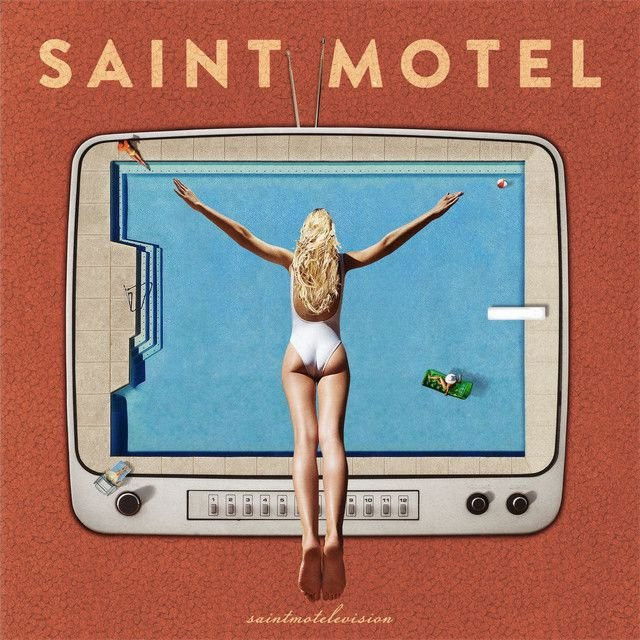
The band, known for theatrical indie pop and sharp visual style, released the song on saintmotelevision. That context matters. This was a period when Saint Motel leaned hard into glossy hooks, retro references, and art-pop polish, so a song about famous women who inspired art fits their broader aesthetic.
The Central Idea Hiding in Plain Sight
At its core, the song is about creative blockage and the need for a jolt of feeling. The opening sets that up directly. The narrator describes being trapped by writer's block
and needing a spark
to move from overthinking into emotion.
That first section matters because it gives the rest of the track its purpose. The women named later are not random celebrities. They are presented as sources of motion, beauty, charisma, and artistic ignition.
Interpretation: Saint Motel seem less interested in telling one love story than in celebrating the figures who push artists to make things. In that reading, “Elise” becomes both a person and a symbol: the muse who gets art unstuck.

Watch the official "For Elise"
music video
More Than One Woman, More Than One Era
The chorus turns into a list of names: Norma Jean, Pattie Boyd, Carole King, Holly Woodlawn, Linda Eastman, and Candy Darling. Each carries cultural weight. Marilyn Monroe began as Norma Jean. Pattie Boyd inspired famous songs by George Harrison and Eric Clapton. Linda Eastman, better known as Linda McCartney, is tied to music, photography, and image-making. Candy Darling and Holly Woodlawn are linked to Andy Warhol’s world and downtown art scenes.
By stacking those names together, Saint Motel widen the song’s scope. This is not just about one girlfriend in one room. It is about the long history of women becoming catalysts for art, fame, fantasy, and reinvention.
This one's for Elise
Norma Jean, Pattie Boyd and Carole King
Holly Woodlawn, Linda Eastman
Candy Darling got it started with a song
Even here, the song does more than praise beauty. It links these women to creation itself. The repeated dedication says the track is an offering, while the final phrase suggests that music begins with human influence.
How the Verses Build the Theme
Before the name-checks arrive, the lyrics jump through a collage of references. There is a nod to walking on the wild side, a mention of Lola, and a playful image of Champagne tasting Coca-Cola
. These lines sound loose and stylish, but they serve a purpose.
They create a pop-cultural scrapbook. Saint Motel pull together rock history, glam imagery, and familiar song-world icons to show how inspiration is often borrowed, remixed, and passed along. A muse is never only personal; they are also part of shared culture.
This is why the song feels like a conversation with earlier music. Saint Motel are not hiding their influences. They are showing how one song can be built out of admiration for many others.
The Beethoven Reference Changes the Scale
One of the cleverest details is the line about Beethoven’s “immortal beloved” and the title itself, which echoes Beethoven’s famous piano piece. That gives the song a deeper frame. Saint Motel are connecting modern pop attraction to a much older tradition of artists idealizing a mysterious woman.
Interpretation: “Elise” may not be meant as one fixed, literal person. She can be heard as a stand-in for the timeless muse—the figure artists chase, imagine, and transform into work. That makes the song both playful and slightly self-aware. It knows that pop music has always turned women into symbols.
Why the Sound Feels So Buoyant
The production helps sell that idea. Saint Motel’s music often mixes brass, tight rhythm, and danceable indie-pop sheen, and “For Elise” moves with a fast, celebratory pulse. Instead of sounding blocked or frustrated, it sounds relieved.
That choice is smart. A darker arrangement could have made the song feel trapped in artistic struggle. Instead, the bright groove suggests the breakthrough has already arrived. The music itself becomes the proof that the muse worked.
Listeners can hear that especially in the chorus, where repetition and momentum turn the names into something like a parade. The track does not stop to mourn distance or loss. It keeps moving, as if inspiration is exciting, messy, and public.
A Celebration With a Question Mark
There is also a tension in the song that makes it more interesting. On one hand, it is warm and grateful. On the other, it reflects a long artistic habit of defining women by how they inspire men.
That does not mean the song is hostile. But it does invite a modern listener to ask what a muse tribute leaves out. Are these women being honored as creators in their own right, or mainly remembered for the art attached to them?
That question is especially important with someone like Carole King, who is not just a muse figure but a major songwriter herself. So the song can be heard in two ways:
- As a joyous thank-you note to inspiration.
- As a knowingly stylized look at how pop culture builds myth around women.
Both readings fit the lyrics.
The Meaning in One Clear Sentence
So, what is the meaning of "For Elise" Saint Motel? It is a bright, referential pop song about the people who break creative paralysis and set art in motion, using famous women and musical history to show that inspiration is part romance, part myth, and part cultural memory.
That is why the song still lands. It sounds light on the surface, but underneath, it is about where songs come from in the first place.
Final Take
Saint Motel turn “For Elise” into more than a dedication. They make it a playful theory of inspiration. The song argues that art begins when someone, somewhere, gets a creator out of their head and back into feeling.
That reading is an interpretation, not a confirmed statement from the band. Like many pop songs, “For Elise” leaves room for listeners to decide whether Elise is one woman, many women, or the idea of the muse itself.









