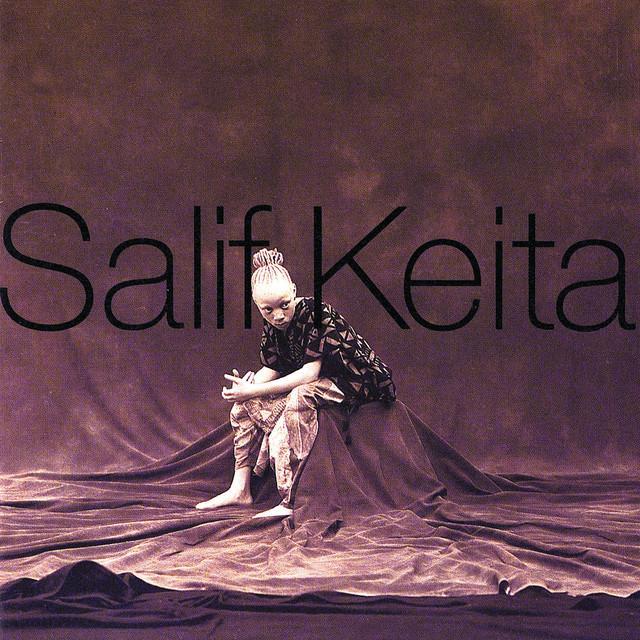
Africa by Salif Keita
Why This Song Feels Bigger Than a Single Place
The meaning of Africa Salif Keita starts with celebration. Even in its brief lyric set, the song presents Africa as a source of energy, beauty, and belonging. It does not treat the continent as an abstract symbol. Instead, it frames Africa as something lived: a place that inspires dreams, feeling, and motion.
"Africa" - Salif Keita
Ça fait rêver, ça fait vibrer, ça fait danser ohhh Africa
Paris woullah bara djagnan visa tessoron na
Loading lyrics...
Unable to load lyrics
We're unable to display the lyrics at this time. Please try again later.
That is clear in the repeated idea that Africa can fait rêver
, fait vibrer
, and fait danser
. In English, those phrases point to dreaming, vibrating with feeling, and dancing. The message is simple but strong: Africa is not reduced to hardship or distance. It is presented as joy, rhythm, and life.
For U.S. listeners, that matters because Salif Keita has long been one of the artists who helped bring West African pop and Mande musical traditions to a global audience. According to Britannica, they are a Malian singer known for blending traditional sounds with modern styles. That broader context supports the song’s proud tone.

Watch the official Africa
music video
A Chorus Built on Pride and Motion
The chorus is the key to the whole song. Rather than telling a long story, it builds meaning through repetition. Each return to Africa
adds emotional weight, almost like a call made to a homeland and an audience at the same time.
This is why the song feels communal. The words do not stay in the private space of one person’s diary. They move outward. The repeated phrases suggest that Africa creates shared feeling. People dream together, move together, and dance together.
Ça fait rêverÇa fait vibrerÇa fait danserohhh Africa
That short refrain sums up the song’s emotional goal. It is not trying to argue a complex thesis. It is trying to make listeners feel pride in the body before they even explain it in words.
Home, Travel, and the Weight of Distance
The other important part of the lyric mentions Paris, visas, and West African places including Mali and Guinea. This shifts the song from pure celebration into something more grounded. It suggests movement between Africa and Europe, and possibly the emotional cost of that movement.
When the lyric refers to Paris
and visa
, it brings in ideas of migration, borders, and permission. Those details matter because they contrast with the open, free feeling of the chorus. Dancing and dreaming feel natural. Crossing borders often does not.
Interpretation: this contrast may show the tension many African artists and migrants know well: the world may admire African culture, but actual travel and opportunity can still be shaped by paperwork, inequality, and distance. In that reading, the song is not only praising Africa. It is also reminding listeners where emotional truth and identity remain rooted.
Mali and Guinea Are More Than Place Names
The references to Mali
and la Guinée
deepen the song’s meaning. These are not random locations dropped in for color. They point to a regional identity in West Africa, where music, language, history, and family ties often cross national borders.
For Salif Keita, Mali is especially important. They are widely associated with Malian music and with a style that carries both deep tradition and broad international reach. Mentioning neighboring places makes Africa feel connected rather than divided. The song’s map is emotional before it is political.
That gives the track a unifying effect. Instead of narrowing belonging to one city or one nation, it imagines Africa as a network of related homes. The lyric suggests that identity can be local and continental at once.
How the Sound Helps Deliver the Message
Even with limited lyrics, the performance style likely does a lot of the meaning-making. Salif Keita is known for soaring, expressive vocals and arrangements that often combine traditional percussion, guitar, and danceable grooves with pop production. The Radio France Internationale profile describes them as the “Golden Voice of Africa,” a title that fits the song’s bright, affirming mood.
In a song like this, repetition is not filler. It works like a chant. The groove turns the idea of Africa into something physical. Listeners do not just hear affection for the continent; they feel it through pulse and momentum.
That matters for interpretation. A slower, darker arrangement might have made the same words sound nostalgic or mournful. A lively rhythm makes them sound present and active. The production helps frame Africa as living force, not lost memory.
The Strongest Reading of the Song
The clearest reading is that “Africa” is an anthem of affection and cultural pride. It says Africa gives people emotional energy. It also hints that travel, exile, or outside pressure do not erase that bond.
A second reading is slightly more political. Interpretation: by pairing joy with references to visas and named countries, the song may be pushing back against narrow outside views of Africa. It centers beauty, movement, and self-definition instead of stereotype.
Both readings can live together. The song is warm and open, but it is not empty praise. Its details suggest lived experience, especially around place, movement, and identity.
Why the Meaning Still Lands
The meaning of Africa Salif Keita lasts because the song keeps its message broad enough for many listeners while staying tied to real places. It celebrates a continent, but it also speaks to anyone who feels pulled toward home.
That is why the song can feel both intimate and public. It is dance music with memory inside it. It is praise music with geography inside it. And it reminds listeners that naming where they come from can itself be an act of joy.
Disclaimer: This interpretation is based on the available lyrics, performance context, and publicly known information about Salif Keita. As with any song, meaning can vary from listener to listener.







