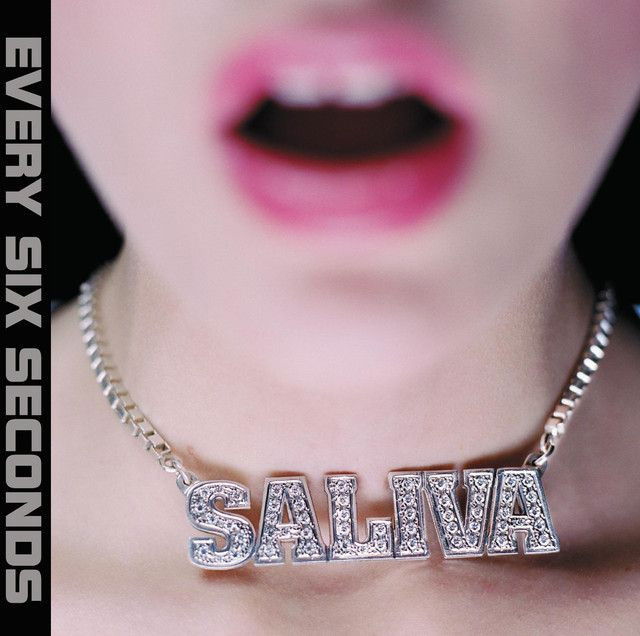
Click Click Boom by Saliva
Saliva's biggest anthem sounds like pure aggression, but its real power comes from the clash between ambition and inner pressure.
"Click Click Boom" - Saliva
Provided by LyricFindC'mon c'mon, c'mon c'mon
On those Saturdays when kids go out and play,
Yo I was up in my room I let the stereo blaze,Loading...Loading lyrics...
Unable to load lyrics
We're unable to display the lyrics at this time. Please try again later.
Why This Song Still Hits So Hard
The meaning of Click Click Boom Saliva starts with drive. On the surface, the song is a blast of confidence: a voice announcing itself, demanding attention, and promising impact. But underneath that swagger is something more human. The lyrics move between fantasy, frustration, and fear.
Released in 2001 as the lead single from Every Six Seconds, the track helped define Saliva's breakout era. According to the research provided, it was written by Bob Marlette, Josey Scott, Chris D'Abaldo, and Wayne Swinny, and produced by Marlette. It is widely classified as nu metal and rap metal, which fits its mix of hard riffs, rhythmic vocal attack, and explosive hook.
Watch the official Click Click Boom
music video
From Bedroom Dreaming to Public Detonation
The first verse gives the song a useful frame. Instead of starting with fame, it begins with isolation. The narrator remembers being a kid alone with music and imagination while other kids were outside. That setup matters because it presents creativity as private before it becomes public.
When they mention a big imagination
, the song points to someone building a future in their head first. They are not born powerful. They are rehearsing power. The lines about pushing limits and becoming "overrated" suggest ambition mixed with self-awareness. They want success, but they also know success can turn into excess.
This is why the chorus lands so hard. The phrase Click, click boom
feels like a personal breakthrough turned into a sonic explosion. In context, it does not need to be read literally. It acts like a sound-image for arrival: the moment an inner idea bursts into the world.
The Chorus as a Mission Statement
The hook connects radio, volume, and destruction. When the singer says hear me on the radio
, the goal is clear: they want to be heard everywhere. The song is obsessed with reach, recognition, and impact.
But that impact is framed in violent, chaotic language. The band talks about leaving scenes in devastation, which is best understood as performance energy and cultural force rather than a literal event. In rock language, "devastation" often means overwhelming the room.
Interpretation: the chorus turns artistic ambition into a weapon-like metaphor. That is what gives the song its edge. It is about making music hit so hard that nobody can ignore it.
The Hidden Anxiety Inside the Bravado
What keeps the song interesting is that it does not stay in pure hype mode. Between the giant chorus sections, the narrator starts questioning themselves. They can see success up close, but it still feels out of reach. That tension is one of the song's core ideas.
The phrase close enough to touch
captures this perfectly. Success feels visible but unstable. The next emotional turn is even sharper: the song asks what is wrong with them and wonders whether they will make it to the end.
Later, the repeated idea that it's all inside my head
changes the meaning of the whole track. Suddenly, the blast of confidence sounds tied to stress, obsession, and mental overload. The "boom" is not just external fame. It may also be an internal eruption.
What the Song Seems to Say About Identity
Another striking moment comes when the narrator rejects public complaining and self-pity. They contrast their own attitude with what they hear from others. That makes the song sound competitive, even confrontational.
Interpretation: this section is about identity in a crowded rock scene. The speaker wants to stand apart from people they see as fake, weak, or repetitive. They are selling authenticity through force. In other words, they are not just trying to become famous. They are trying to prove they deserve it.
That helps explain the blend of ego and insecurity. They brag because they are not fully secure. The louder the song gets, the more it reveals the pressure underneath.
How the Sound Carries the Meaning
Musically, the track is built to feel like ignition. The guitars are thick and percussive, the drums push forward with a marching intensity, and the vocals shift between rap-style phrasing and shouted release. That structure mirrors the lyrics: tight control in the verses, explosion in the chorus.
Research on the song's origin also adds useful context. Wayne Swinny said Josey Scott wanted to write something with the kind of huge pre-concert energy associated with classic arena rock, even if the final result came out in Saliva's own rap-metal style. That matters because the song is designed as a crowd trigger. It is less about subtle storytelling than about building pressure and detonating it.
That design also explains why the song became a sports and media staple. Its stomp, chant quality, and sudden bursts make it ideal for hype packages, wrestling, and stadium play.
A Bigger Meaning Than Pure Aggression
So what is the meaning of Click Click Boom Saliva in the end? It is best understood as a song about turning private obsession into public force. It captures the moment when a kid with dreams, noise, and bottled-up energy imagines taking over the room.
At the same time, the lyrics admit that this kind of ambition can warp the mind. The song does not hide the cost of wanting more. Its swagger is real, but so is its anxiety.
Final Take
That duality is why the song lasts. It works as a hype anthem, but it also works as a portrait of an artist on the edge of breakthrough and burnout.
Disclaimer: This interpretation is based on the lyrics, performance, and available song context. Like most songs, listeners may reasonably hear different meanings in it.









