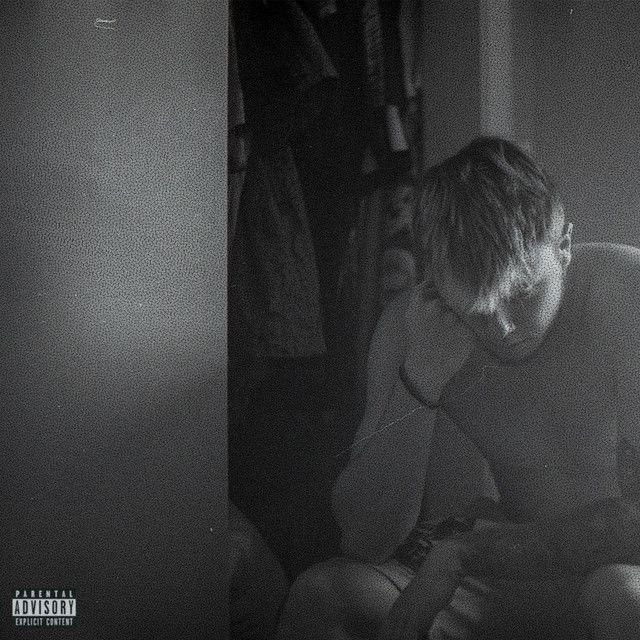
Gimme a Second by Saliva Grey
A breath before the breakdown
The meaning of Gimme a Second Saliva Grey centers on a mind that sounds overwhelmed, intoxicated, and split between self-awareness and self-destruction. The title suggests a pause, a tiny request for air, but the lyrics do the opposite. They rush forward in a blur of drug references, death imagery, anger, and wounded pride.
"Gimme a Second" - Saliva Grey
I’m an omen of death and I’m blessing the one and the eight and the seven
Til nobody left see that Grey the inventor of madness a bitch in the back of my whip
Loading lyrics...
Unable to load lyrics
We're unable to display the lyrics at this time. Please try again later.
That tension is the key to the song. They seem to ask for one moment to steady themselves, yet everything they say shows how hard that is. The result is less a story with a neat lesson and more a portrait of psychic overload.

Watch the official Gimme a Second
music video
What the song is really saying
On the surface, the song sounds confrontational. The narrator boasts, threatens, and puts distance between themselves and everyone else. But underneath that hard shell is a repeated confession of instability.
The clearest example is the admission I can’t live sober
. That line turns the whole track. It frames the chaos not as random edge, but as a life shaped by dependence, numbing, and damaged coping habits.
Interpretation: Rather than glorifying collapse, the song sounds like it is documenting it in real time. They know they are in over their head. They know substances and violent fantasy are part of the spiral. Even the swagger feels defensive, like armor thrown on over panic.
A narrator trapped between ego and ruin
One striking feature of the lyrics is how quickly they move from grand self-myth to self-erasure. In one moment, they cast themselves as larger than life, almost apocalyptic. In the next, they speak like someone buried by their own habits.
That swing matters. When they call themselves the inventor of madness
, the line sounds huge and theatrical. But later, images of graves, tombs, and self-harm shrink that power back down into despair.
This makes the voice feel unreliable in an interesting way. They are not lying, exactly. They are performing strength while admitting weakness. That contradiction is a major part of the emotional truth.
The main themes in the lyrics
Addiction as both escape and prison
The song keeps returning to intoxication as a routine, not a one-off event. Pills, smoke, bottles, and chemical residue all appear as part of daily existence. The narrator chooses the bottle over another route, which suggests not control but damage management.
When they say got in over my head
, the phrase works on two levels. It points to substance abuse, but it also captures the wider emotional state. They are drowning in a life they helped build and now cannot easily stop.
Death imagery and emotional numbness
The lyrics are crowded with graves, omens, burial, and indifference toward dying. That imagery does not have to mean a literal death wish. It can also signal burnout, depression, and a loss of ordinary fear.
A useful phrase here is visit my grave
. The idea behind it is isolation beyond repair. They do not just imagine death; they imagine being cut off even afterward.
Anger as self-protection
The threats and grotesque images create shock value, but they also reveal a speaker who trusts aggression more than vulnerability. Rage keeps others away. It also distracts from the deeper confession that they feel slept on, unseen, and mentally unwell.
How the hook changes the verses
The title phrase is deceptively simple. Asking for a second implies breath, delay, and perspective. But the verses are almost breathless, piling image onto image with barely any relief.
Gimme a second to get me a breath
and a pic of this moment
That brief moment suggests they know they are inside a critical point in their life. They want to capture it, maybe because it feels irreversible. Interpretation: the hook is not a calm request. It is the last small human pause before the song drops back into chaos.
Sound, flow, and why they matter
Even without detailed official production credits, the writing strongly suggests a dark trap or underground rap setting: heavy low end, tense atmosphere, and a forceful vocal delivery. That style fits the song's emotional world.
The flow likely matters as much as the words. The bars feel dense and relentless, which mirrors racing thoughts. There is very little softness in the imagery, so a harsh beat and clipped delivery would underline the sense of pressure.
This is important for the meaning of Gimme a Second Saliva Grey. The production is not just a backdrop. It likely amplifies the feeling that the narrator cannot slow their own mind.
Artist context and lyrical identity
The user-provided credits name Andrew Moran as the writer. Beyond that, reliable public details about release context, album placement, or producers are not clearly established here, so those points should be treated as unconfirmed unless verified by official sources.
Still, the song itself offers a strong artistic identity. Saliva Grey appears to lean into bleak, abrasive, and self-mythologizing language. That places the track in a lane where horror imagery, addiction talk, and anti-industry frustration often overlap.
One more way to read it
There is also a second reading worth considering. Interpretation: the song can be heard as a performance of a persona, not just a diary entry. Some lines feel exaggerated on purpose, as if they are building a monster version of the self.
If that reading is right, the song is about turning depression and addiction into a character voice. That does not make the pain fake. It means the art may heighten it to make the inner state visible.
Final takeaway
The meaning of Gimme a Second Saliva Grey lies in its clash between a plea for one breath and a life moving too fast to control. It paints addiction, depression, and alienation in ugly, aggressive colors.
What makes the song hit is that the bravado never fully hides the damage. They sound fierce, but they also sound cornered.
Disclaimer: This interpretation is based on the lyrics provided and general music-analysis reading of tone, imagery, and structure. Meanings can vary by listener unless the artist confirms a specific intent.









