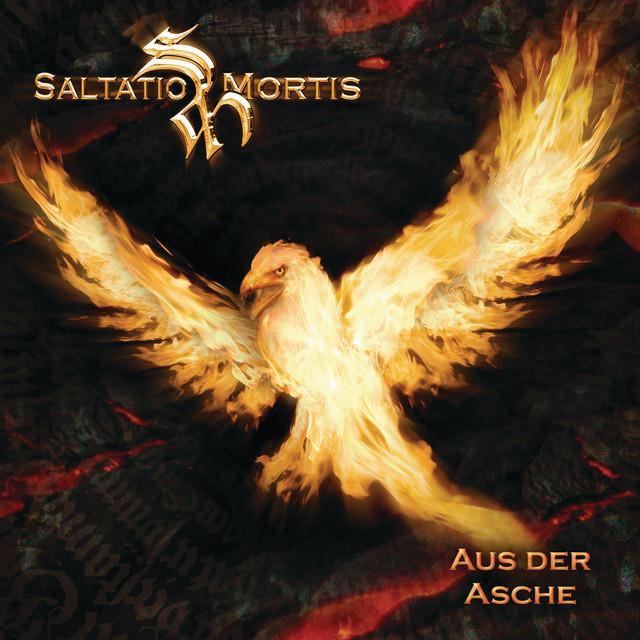
Why "Spielmannsschwur" Feels Like a Freedom Oath
The meaning of Spielmannsschwur Saltatio Mortis comes into focus fast: this is a song about freedom, brotherhood, and refusing to be tamed. Rather than telling a detailed story, Saltatio Mortis build an anthem. They speak as a united group of wandering performers who define themselves by motion, loyalty, and defiance.
"Spielmannsschwur" - Saltatio Mortis
Man sperrt uns nicht ein
Wild und frei
Loading lyrics...
Unable to load lyrics
We're unable to display the lyrics at this time. Please try again later.
That matters because the title itself points the way. Spielmannsschwur can be understood as a minstrel’s or traveling musician’s oath. Saltatio Mortis are known for blending medieval instrumentation with rock energy, a style widely associated with German medieval rock and folk metal discussions around the band’s catalog and live identity. In that context, the song feels less like a private confession and more like a public vow.
The Core Message Hides in Plain Sight
At the center of the song is a simple idea: they would rather live wild than live controlled. The chorus frames that identity with the image like the wind
. Before and after that phrase, the lyrics make clear that they cannot be locked down, managed, or domesticated.
This is not just rebellion for its own sake. The song links freedom to purpose. When they declare they were born to be a minstrel, they turn wandering, performing, and resisting limits into destiny. Interpretation: that gives the song a near-mythic tone. It suggests they are not choosing the road casually; they believe the road chose them.
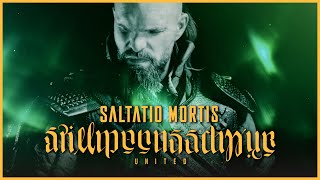
Watch the official Spielmannsschwur
music video
A Collective Voice, Not a Lonely Hero
One of the strongest features of the lyric is its repeated use of “we.” This is not a ballad about one outsider. It is a shared oath, spoken by a community. That group voice makes the song feel bigger and more welcoming.
The Oath Creates Belonging
Midway through the song, the message shifts from self-definition to invitation. The repeated idea behind whoever comes with us
is that joining this life means sharing risk, reward, and loyalty. They promise that a companion will never be alone.
That is important to the meaning of Spielmannsschwur Saltatio Mortis. The song does not imagine freedom as isolation. It imagines freedom as fellowship among people who reject narrow, respectable conformity. The line about a square or conformist having no place with them sharpens that boundary: this tribe is open, but only to those willing to live by its code.
How the Verses Turn Threats Into Boasts
The verses use images of violence and restraint: ropes, killers, daggers, chains, prisons. But instead of sounding fearful, the lyrics flip those images into acts of confidence. The song says, in effect, that the tools meant to bind or destroy them do not yet exist.
Short phrases like not yet forged
and not yet born
are key to that mood. They turn danger into prophecy. The enemy is always too late; the force strong enough to end this freedom has not arrived.
Interpretation: this can be read two ways:
- literally, as a boastful performance persona
- symbolically, as a statement that true artistic freedom cannot be crushed
Either reading works because the song never gets lost in realism. It operates in the grand style of a drinking song, a road song, and a battle chant all at once.
Medieval Imagery, Modern Attitude
Saltatio Mortis have long built their identity around the meeting point between historical atmosphere and contemporary rock performance. That blend shapes the song’s meaning. The word Spielmann evokes older traditions of roaming entertainers, while the band’s aggressive drive gives the oath a modern edge.
Why the Instrumentation Fits the Theme
Even without breaking down every production detail, listeners can hear how the arrangement supports the lyric. The rhythm pushes forward like a march, while the chant-ready hook invites crowd participation. The frequent group responses and open-voweled “oh” sections make the song feel built for festivals and communal singing.
That sonic design matters. A private, delicate arrangement would weaken the song’s message. Instead, the likely mix of rock drums, guitars, and folk or medieval textures makes freedom sound physical and public. They are not quietly dreaming of escape; they are declaring it together.
The Chorus as a Mission Statement
The chorus is catchy because it compresses the whole worldview into a few images: motion, wildness, and resistance to confinement. The phrase wild and free
is simple, but in this song it is not empty. It keeps returning after every imagined threat, as if to prove that no warning can outlast the oath.
There is also a celebratory streak in the call to pour another drink. That detail keeps the song from feeling grim. Yes, there are references to prison and death, but the emotional center is joy. They answer danger with music, drink, and shared identity.
A Strong Reading of the Song’s Deeper Meaning
The best reading is that Spielmannsschwur celebrates artistic life as a sacred promise. They are not just praising chaos. They are defending a code: move freely, stay loyal, reject small-minded rules, and stand with the people who travel beside you.
For U.S. listeners, the song may recall outlaw-country themes, pirate-crew mythology, or road-life anthems. But Saltatio Mortis give those ideas a specifically medieval-rock flavor. That is what makes the track memorable. It feels ancient in costume, modern in force, and universal in emotion.
Final Take on the Song’s Oath
The meaning of Spielmannsschwur Saltatio Mortis is ultimately about choosing a life no cage can hold. Through its collective voice, threat-defying images, and crowd-built sound, the song turns freedom into a promise shared by a whole community.
That is why it lands as more than a catchy chorus. It is an anthem of belonging for people who would rather live on their own terms than fit into someone else’s world.
Disclaimer: This interpretation is based on the lyrics provided and widely understood elements of Saltatio Mortis’ style. Song meaning can remain open, and different listeners may hear different emphases in the same track.








