Why Adamo's 'C'est ma vie' Feels So Personal
The meaning of C'est ma vie Salvatore Adamo is richer than the title first suggests. At a glance, it sounds like a simple declaration: this is my life. But the song does something more moving than that. It begins like a love confession, then slowly reveals a deeper subject: the strange bond between an artist, their songs, and the audience that gives them purpose.
"C'est ma vie" - Salvatore Adamo
Par quelques mots d'amour
C'est fou ce qu'on s'aimait
Loading lyrics...
Unable to load lyrics
We're unable to display the lyrics at this time. Please try again later.
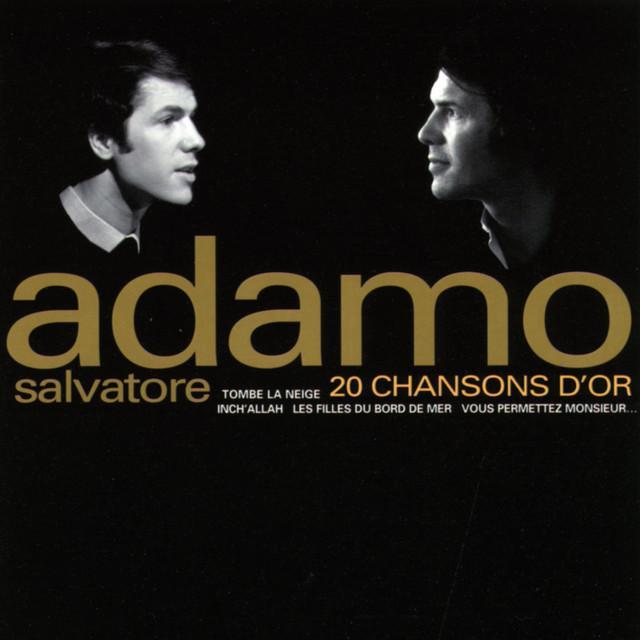
Salvatore Adamo was already a major international star by the time this 1975 single and album arrived. The Belgian-Italian singer-songwriter, known for romantic chanson and pop ballads, had built a huge career across Europe, Latin America, Japan, and beyond, with hits like Tombe la neige and Inch'Allah source. That history matters, because this song feels like a self-portrait from someone who knew both devotion and pressure.
A Love Song With a Hidden Subject
At first, the lyrics seem to describe a person. The singer remembers a relationship that began with a few loving words and then grew into total emotional trust. They gave away their secrets, dreams, and best self. Phrases like c'est ma vie
and je n'y peux rien
frame the feeling as destiny rather than choice.
But the song keeps widening its meaning. The "you" in the verses is not only a lover. It can also be read as the public, the stage, or even the singer's calling. That idea becomes clearer when the lyric moves from private memories to performance and belonging.
Interpretation: The song is built like a romantic ballad on purpose, so the later reveal lands harder. Adamo makes art itself feel like an intimate relationship.

Watch the official C'est ma vie
music video
How the Story Shifts Midway
The emotional timeline unfolds in clear steps:
- It starts with tenderness and gratitude.
- It turns toward disappointment and distance.
- It ends in acceptance of a life that gives both pain and meaning.
Early lines recall youth and sincerity. Later, darker images enter, including nuages noirs
and emotional coldness. The singer realizes that joy and sadness are both controlled by this force outside the self.
That is why the chorus matters so much. When they say this life is pas l'enfer
but also not paradise, the song rejects easy fantasy. The life of performance is neither pure glory nor pure suffering. It is unstable, demanding, and still impossible to leave.
The Chorus as a Statement of Fate
The refrain is simple, but it carries the whole song. The singer does not say life is perfect. They say it is theirs, and that they cannot escape it. In one of the song's smartest turns, the chorus suggests that life did the choosing.
C'est ma vie, c'est ma vie
Je n'y peux rien
C'est elle qui m'a choisi
Paraphrased, the point is that vocation can feel like a calling more than a decision. That idea fits Adamo's image as a lifelong songwriter. According to biographical sources, he began composing young, broke through in the early 1960s, and remained active for decades source.
The Key Reveal: The Stage Is Home
The clearest clue comes late in the song, when the lyric mentions being before "you" on stage and finding a homeland there. That image changes everything. The song is no longer only about romance. It is about the performer-audience bond and the emotional contract of public life.
The singer admits they chose chains. That is a striking phrase, because it mixes love with captivity. Their friends and lovers know they are held by this life. They sacrifice even the right to private sadness, yet they also say that on stage they truly exist.
Interpretation: This is the heart of the song. Performance limits freedom, but it also creates identity. Without the audience, the singer may feel incomplete.
Sound and Style Support the Meaning
Even without getting into full score details, Adamo's style helps explain why the song feels so intimate. He came from the French chanson tradition, shaped by poetic influences and melodic, emotionally direct songwriting source. In that style, the voice usually carries the drama more than flashy production.
That matters here. A gentle arrangement, steady tempo, and warm vocal delivery would make the song sound like confession, not spectacle. The melody likely supports the bittersweet balance in the lyrics: graceful enough for nostalgia, restrained enough for regret.
The song's emotional power depends on that balance. If it were louder or more triumphant, the words about sacrifice would lose force. If it were too dark, the sense of calling would disappear.
Why It Still Connects
Part of the reason this song endures is that it speaks to two kinds of listeners at once. Casual listeners can hear a romantic ballad. Closer listeners hear a reflection on ambition, art, and the cost of being needed.
It also fits Adamo's larger legacy. He was one of the most commercially successful Belgian artists ever, with a long global career and recordings in multiple languages source. A song like this naturally feels bigger than one relationship. It sounds like an artist looking at fame and saying: this burden, this gift, this contradiction—that is my life.
Final Take on the Song's Core Message
The meaning of C'est ma vie Salvatore Adamo is not just self-description. It is an acceptance of a calling that brings joy, dependence, sacrifice, and self-discovery all at once. The song says that a life in music can wound a person, lift them up, and define them at the same time.
That is why the title lands so strongly. It is not a boast. It is closer to a sigh, a confession, and a vow.
Disclaimer: This interpretation is based on the lyrics provided, Adamo's career context, and the song's wording and themes. Like many chansons, it allows more than one valid reading.







