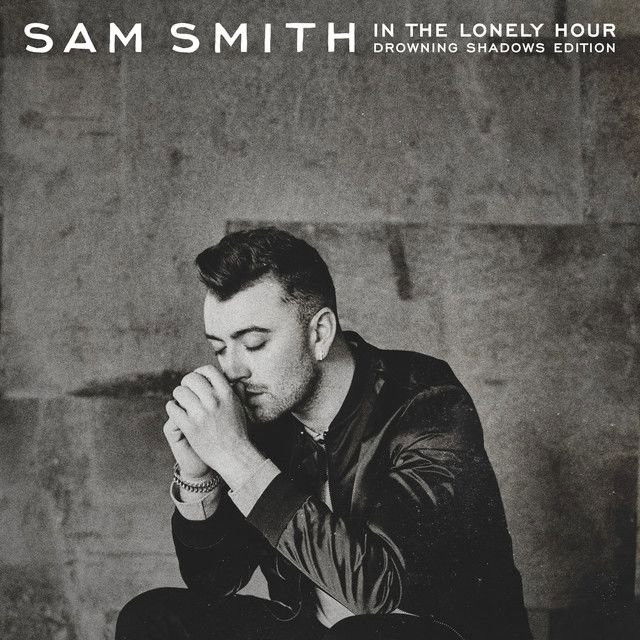
How Will I Know by Sam Smith
Love can feel like a riddle, and Sam Smith leans into that tension. Their slow, piano-led cover of Whitney Houston’s 1985 hit turns a bright dance-floor question into a quiet confession. For listeners asking about the meaning of How Will I Know Sam Smith, this version centers the doubt, prayer, and breathless hope already inside the lyrics—and makes them impossible to miss.
"How Will I Know" - Sam Smith
Look into my eyes, takes me to the clouds above
Oh I lose control, can't seem to get enough
Loading lyrics...
Unable to load lyrics
We're unable to display the lyrics at this time. Please try again later.
A Question Turned Confession
At its core, the song is about uncertainty in early love. The narrator is drawn to someone—you're the one I dream of
—but they can’t tell whether the feeling is mutual. In Smith’s hands, that doubt becomes the main event. The question is it really love
isn’t just a catchy hook; it’s the emotional thesis.
Interpretation: By taking away the beat, Smith removes the public, celebratory space of a club and replaces it with a private room. The same words we once danced to now feel like a whisper in the dark. That shift reframes the story as inner dialogue, where fear and desire fight for control.
Watch the official How Will I Know
music video
Whose Voice Do We Hear?
The song speaks in first person, addressing a “you” who may not be present. This creates a double audience: the beloved and the narrator themself. Phrases like I say a prayer
suggest the singer is also appealing to something higher—luck, fate, or faith—for guidance.
Interpretation: The prayer hint shows love as both physical and spiritual. The body reacts (racing pulse, shaking), but the soul wants certainty and blessing. That’s why the questions repeat: the narrator needs a sign strong enough to calm the storm inside.
From Dance Floor to Devotion: Production Matters
Whitney Houston’s original, written by George Merrill, Shannon Rubicam, and Narada Michael Walden, is a sparkling, uptempo pop track. Smith’s version, released on the Drowning Shadows Edition of In the Lonely Hour (2015), slows the tempo and strips the arrangement to voice and piano. The piano sits close in the mix, with gentle pedal sustain; Smith’s vocal uses soft dynamics, tender vibrato, and occasional falsetto.
Interpretation: The minimal production uncovers the lyric’s nervous heartbeat. Where a drum groove once pushed the hook forward, silence now frames hesitation. Each breath before a line lands like a held question. The performance invites listeners to inhabit the pause between wanting and knowing.
What the Chorus Really Says
The chorus repeats the title question as a mantra, with lines balancing certainty and doubt. The recurring I say a prayer
reframes the hook as a ritual—ask, wait, hope. In Smith’s reading, the hook functions less as a catchy refrain and more as a steady candle against confusion.
Interpretation: The chorus becomes a coping strategy. Repetition is the narrator’s way to breathe through uncertainty until either courage arrives or love reveals itself.
Symbols You Can Feel
- Dreams and eyes: Desire appears in images like
you're the one I dream of
and close-up gazes. Dreams signal longing; eyes seek confirmation. - Prayer and heartbeat: The spiritual meets the physical. A prayer suggests surrender; a heartbeat marks the body’s response.
- Shyness and silence: The aside
too shy (can't speak)
ties fear to action. The phone is a test the narrator can’t pass yet. - Strength vs. weakness: The question
why do I feel weak
captures love’s paradox. The feeling is powerful, yet it unsteadies the self.
Interpretation: These symbols map a cycle—fantasy, attempt, retreat, and renewed hope. In Smith’s slower delivery, each image has room to linger, making the push-pull more vivid.
A Timeline in Three Beats
- Infatuation sparks. The narrator imagines a future and searches the beloved’s eyes for proof.
- Anxiety rises. Shyness blocks the call; questions escalate into prayer.
- Resolve forms. The chorus repeats like a vow to stay open, even without answers.
Interpretation: Smith’s phrasing suggests the ending isn’t certainty but acceptance. The singer learns to live with the question while still reaching out.
Alternate Readings That Deepen the Song
- Interpretation: Queer longing. Sung by a non-heteronormative narrator, the hesitation and coded prayer read as navigating risk, visibility, and hope.
- Interpretation: Anxiety anthem. The lyrics double as a portrait of social anxiety—wanting connection but freezing in high-stakes moments.
Both readings fit because the language is universal and the arrangement is intimate. The cover lets listeners project their own stakes onto the silence.
Why This Version Sticks
For U.S. listeners discovering the meaning of How Will I Know Sam Smith, the appeal is simple: truth in delivery. The slowed pace, bare piano, and vulnerable vocal isolate the human question at the heart of pop romance. It reminds them that before love becomes a certainty, it’s a risk—and sometimes the bravest thing is asking out loud.
Disclaimer: Song meanings are interpretive. This analysis draws on lyrics, performance choices, and public context; individual experiences may differ.









