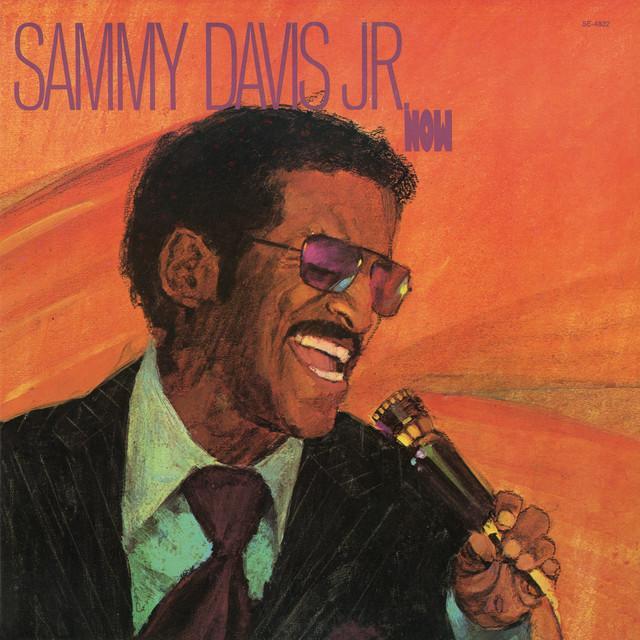
Why 'The Candy Man' Still Feels So Sweet
The meaning of The Candy Man Sammy Davis Jr. starts with a simple idea: some songs offer escape, and this one does it with a smile. On the surface, it is about a magical sweet-maker who can turn everyday life into treats. But the reason it lasted is bigger than candy. The song sells a vision of kindness, imagination, and emotional comfort.
"The Candy Man" - Sammy Davis Jr.
(Hey, Candy Man)
Alright everybody gather 'round
Loading lyrics...
Unable to load lyrics
We're unable to display the lyrics at this time. Please try again later.
Written by Leslie Bricusse and Anthony Newley for the 1971 film Willy Wonka & the Chocolate Factory, the song first appeared in the movie sung by Aubrey Woods as the candy-store owner Bill, not by Gene Wilder or Sammy Davis Jr. Davis's version arrived in 1972 and became the defining hit, reaching No. 1 on the Billboard Hot 100 and becoming the biggest hit of his career.[1][2]
A Sugar-Coated Fantasy With a Clear Emotional Core
At heart, the song imagines a person who can transform the world. The lyrics ask who can take ordinary wonders and improve them, then answer with the title figure. Phrases like sprinkle it with dew
and mixes it with love
present the Candy Man as more than a shopkeeper. They make him sound like a maker of joy.
That is why the song feels so childlike without being childish. It speaks in bright images, but the emotional message is serious: life can be softened by care, creativity, and generosity. When the chorus says he makes the world taste good
, it is really saying that love and imagination can change how life feels.
Watch the official The Candy Man
music video
From Movie Number to Pop Standard
In the film, the meaning is fairly literal. The candy man is a neighborhood sweets seller introducing children to a world of edible fantasy. But Davis's recording lifts the idea out of the movie and turns it into a general pop anthem about happiness.
That shift matters. According to Songfacts, producer Mike Curb had an instrumental backing prepared with Davis in mind, and Davis reportedly recorded the song in just two takes before leaving to entertain troops in Vietnam.[1] The result is polished, quick-moving, and designed for mass appeal.
There is also an irony here. Davis reportedly hated the song at first. Songfacts and Wikipedia both cite his negative comments, including a harsh prediction that it would fail.[1][2] Instead, it became his signature hit. That tension adds another layer: a song the singer distrusted became a cultural shorthand for warmth and positivity.
How the Lyrics Build Their Dream World
The verses work by stacking impossible acts on top of each other. A sunrise becomes an ingredient. A rainbow becomes something you can wrap and serve. Tomorrow itself can be dipped into a dream. The song does not care about logic. It cares about emotional effect.
This is why short lines like take tomorrow
and separate the sorrow
matter so much. They move the song beyond desserts. Suddenly, the Candy Man is not just making sweets. He is reshaping time, sadness, and hope.
Interpretation: the character can be heard as a fantasy version of any person who brings joy to others: an artist, a parent, a dreamer, even a performer. The song never pins him down too tightly, and that openness helps explain its broad appeal.
The Sound Is a Big Part of the Meaning
The production is crucial to why the message lands. Davis's version is bright, bouncy, and easy to sing along with. The arrangement has a light orchestral pop feel, and the backing vocals from the Mike Curb Congregation give the chorus a communal, almost child-choir glow.[1][2]
That matters because the song is selling innocence. The cheerful tempo, clean brass-and-strings polish, and group vocals make the music feel like a public celebration rather than a private confession. Even when the lyrics mention sorrow, the arrangement refuses to stay dark for long.
Why Sammy Davis Jr.'s Delivery Works
Davis was famous for versatility. He could swing, act, joke, and sell a song with pure show-business energy. Here, they sound playful but controlled. He does not overcomplicate the tune. Instead, he leans into its smiling rhythm and lets the hook do the work.
That performance choice helps the song feel universal. It sounds like a stage number, a childrens song, and a pop single all at once.
Innocence, Nostalgia, and a Touch of Escapism
One of the most revealing moments is the lyric about childhood wishes
. That phrase points to the song's deeper target. It is not really talking only to children. It is talking to adults who still want to believe the world can be generous.
The Candy Man becomes a symbol of safe pleasure and uncomplicated goodness. In a harder reading, that makes the song pure escapism: a fantasy of sweetness in a world that is rarely simple. But that is not necessarily a weakness. Pop music often works by offering temporary relief.
Interpretation: the song's real magic is not candy. It is emotional reassurance. It imagines someone who can gather pain, save the best parts, and hand back delight.
Why the Song Endured
Its staying power comes from three things:
- a concept anyone can understand
- a chorus that feels instantly familiar
- a performance that turns fantasy into showbiz charm
That mix helped the single outgrow the film and enter American pop culture. It has appeared in later films, television, stage adaptations, and advertising, which shows how strongly its central image still connects.[1][2]
The Last Sweet Take
The meaning of The Candy Man Sammy Davis Jr. is ultimately about transformation. The song imagines a figure who can mix beauty, hope, and affection into something ordinary people can enjoy. Whether listeners hear it as childhood wonder, pure escapism, or a hymn to creative joy, its message is the same: the world feels better when someone meets it with love.
Interpretation disclaimer: song meanings can vary by listener. The reading above combines the film context, recording history, and lyrical analysis rather than claiming one fixed meaning.








