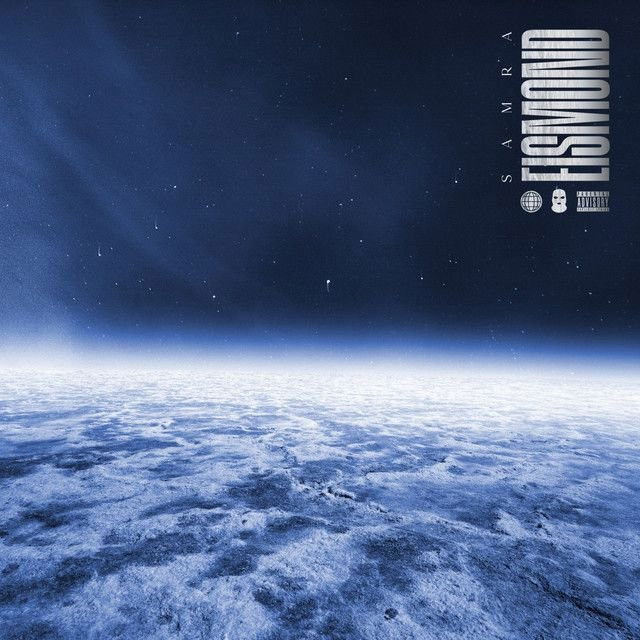
Why Samra's "Eismond" Feels Cold and Bright
Samra’s "Eismond" turns luxury-rap imagery into something sadder and more revealing. On the surface, the song moves through expensive cars, hotel rooms, alcohol, pills, and public visibility. Underneath, it sounds like a confession from someone who knows that success has not brought peace.
"Eismond" - Samra
Drei Uhr nachts, der Nachbar muss die Polizei holen
Wieder Tanqueray auf ex, ziehen bis um sechs
Loading lyrics...
Unable to load lyrics
We're unable to display the lyrics at this time. Please try again later.
For listeners searching for the meaning of Eismond Samra, the simplest answer is this: the song is about emotional numbness hidden behind shine. Its central image, a heart glowing like an ice moon, suggests beauty without warmth. That contrast drives almost every line.
A Hook Built on Shine and Emptiness
The chorus does most of the heavy lifting. When the narrator says their heart shines like an Eismond
, the image is striking because it combines light with coldness. They are visible, even radiant, but not healed.
That idea becomes sharper when the song pairs the glowing moon with status symbols like a white Panamera and red leather seats. The world around them looks expensive and cinematic. Yet the inner life is described as nur scheintot
, meaning only seemingly alive. The hook is not a flex. It is a warning sign.
Interpretation: the song’s main metaphor suggests a person who still functions in public but feels frozen inside. They can move, perform, and earn, yet emotionally they are stuck.

Watch the official Eismond
music video
The Verses Tell a Story of Escape
The opening lines immediately place the narrator in chaos: it is late, the neighbors call police, and the night keeps going. Brief phrases like drei Uhr nachts
and ziehen bis um sechs
sketch a cycle of drinking, drugs, and sleeplessness. The point is not detail for its own sake. It shows a life that has lost balance.
From there, the song keeps crossing luxury with damage. Money comes from writing lines on an iPhone, but the narrator also fears the past catching up. Hotels and other women are framed in a bitter, almost mocking way. Even tenderness is distorted.
One of the strongest details is the contrast between paper cuts and Cartier rings. Small pain sits next to expensive jewelry. That is a neat summary of the whole track: wealth and hurt live side by side.
Fame Does Not Save Them
A big part of the meaning of Eismond Samra is how it treats fame as pressure, not rescue. The narrator sees their face everywhere, but that does not feel triumphant. It breaks their heart.
The mention of their mother crying is one of the song’s most human moments. It cuts through the designer imagery and reminds listeners that the fallout reaches family too. Public success and private damage are happening at the same time.
There is also a strong sense of disgust with hype culture. The song suggests that many people chase trends while the narrator is left dealing with legal trouble, addiction, and remorse. That tension gives the track some of its bitterness.
A Love Story Appears in the Cracks
In the second half, the song shifts from general collapse to personal regret. The narrator admits wrongdoing and says sorry. They suggest that the relationship may have been right in feeling but wrong in timing.
That matters because it turns the song from a general portrait of self-destruction into something more intimate. It is not only about substances or fame. It is also about what gets ruined while a person is spiraling.
Interpretation: this relationship may represent the life they could not hold onto while chasing escape. The apology sounds real because it arrives without much self-defense.
The Sound Supports the Theme
Even without long lyrical detail, the production helps explain the song’s meaning. "Eismond" uses a moody, melodic rap setup: a smooth, atmospheric instrumental, heavy low end, and a hook that feels airy rather than aggressive. That gives the song a floating, night-drive mood.
This matters because the beat does not fight the lyrics. It amplifies them. The music creates the cold glow the chorus describes, almost like city lights reflected on a car window at night. The softness of the melody makes the confessions hit harder.
The credited writers provided in the song information are Hussein Akkouche, Tom Hengelbrock, Erik Weeke, and Lukas Loules. Samra, born Hussein Akkouche, is known in German rap for blending hard street details with melodic vulnerability, which helps explain why "Eismond" feels both polished and wounded.
The Most Important Symbols in "Eismond"
A few repeated images tie the whole song together:
- The ice moon: visible beauty, emotional coldness.
- Cars and tinted windows: status, distance, and isolation.
- Alcohol and pills: escape that becomes self-harm.
- Hotels: movement without home or stability.
- Family tears: the real cost behind the image.
The line about over the Rainbow
is especially telling. It sounds dreamlike, almost victorious, but the song immediately pulls it down with crisis. That is the pattern throughout: every bright image hides a bruise.
So What Is "Eismond" Really Saying?
At its core, "Eismond" is about a person who can still shine while falling apart. The song does not deny the pull of nightlife, money, or fame. It shows why those things can feel powerful. But it also shows how little they can do against guilt, addiction, loneliness, and regret.
That is what makes the meaning of Eismond Samra compelling. It is not just a dark anthem about excess. It is a portrait of someone trapped between public glow and private collapse, trying to convince others—and maybe themselves—that the heart is not dead yet.
Disclaimer: This article offers interpretation based on the lyrics and available song context. Meaning can vary from listener to listener.








