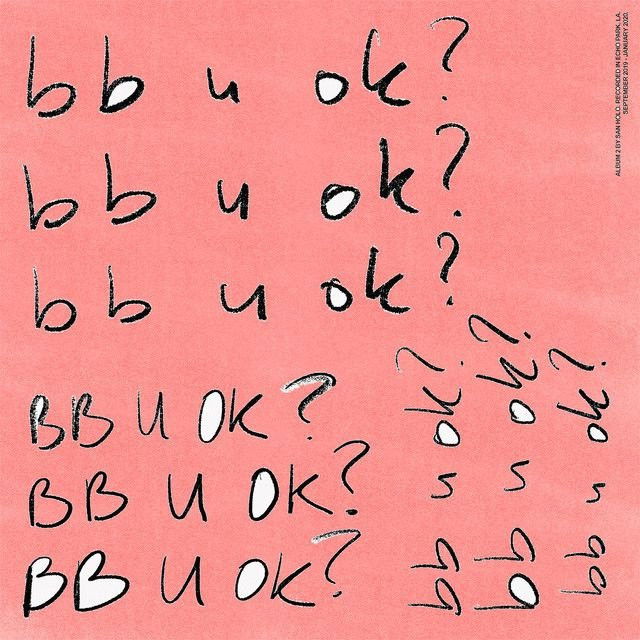
Why 'you’ve changed, i’ve changed' Hits So Hard
The meaning of you’ve changed, i’ve changed San Holo, Chet Porter comes down to a painful but mature idea: some relationships do not end because one person is wrong. They end because both people grow, drift, and stop fitting together the way they once did.
"you’ve changed, i’ve changed" - San Holo, Chet Porter
(One, two, three)
I don't wanna lose my mind again
Loading lyrics...
Unable to load lyrics
We're unable to display the lyrics at this time. Please try again later.
That is what gives this song its quiet power. Its words are sparse, but the emotional message is heavy. The track captures the moment when someone realizes they still care, still remember everything, and still wish they could go back—but they also know the past cannot be rebuilt exactly as it was.
A breakup song with shared responsibility
At its core, this is a song about mutual change. The key refrain, You’ve changed
and I’ve changed
, avoids the usual breakup story where one side is blamed. Instead, it presents distance as something that happened to both people.
That makes the line It’s not the same
feel especially important. The song is not only mourning a person. It is mourning a version of a connection that no longer exists.
Interpretation: This is why the song feels more reflective than angry. They are not trying to win an argument. They are trying to accept that time changed both sides.
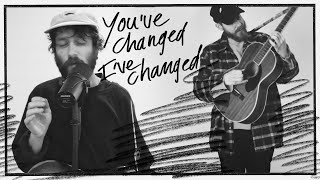
Watch the official you’ve changed, i’ve changed
music video
The verse shows memory turning into emotional overload
The opening lines describe a mind that keeps replaying the past. When the singer says I don’t wanna lose my mind again
, it suggests they have already been through a painful spiral once before.
Then the song adds I remember every word you said
, which sharpens the picture. This is not vague heartbreak. It is detailed heartbreak—the kind where someone remembers exact conversations and cannot stop revisiting them.
That leads to the wish embedded in If there was a way
to go back. The speaker wants revision, not just relief. They do not merely want the pain to end; they want the story undone.
If there was a way, I would go back
It’s not the same
Put together, those ideas create the song’s emotional center: longing collides with acceptance. They want the old bond back, but they know the old bond is gone.
Why the repetition works
This song relies on repetition more than storytelling detail. That choice matters. Instead of building a long narrative, it circles the same thoughts the way real grief often does.
People in heartbreak rarely think in neat chapters. They loop. They repeat one memory, one line, one truth they cannot escape. Here, the chorus keeps returning to the same few facts: both changed, and the relationship changed with them.
Interpretation: The repetition turns the song into a mental echo chamber. That structure mirrors obsession, regret, and the slow process of realizing that insight does not erase pain.
How the sound deepens the meaning
San Holo and Chet Porter are both known for emotionally open electronic music, often blending bright textures with vulnerable writing. In that context, this song makes sense as a collaboration between two artists who often turn internal feelings into melodic atmosphere.
The production supports the lyrics by leaving space around them. Rather than burying the message in complexity, the arrangement likely works through contrast: soft vocal presence, a restrained build, and a repeating drop or synth phrase that feels suspended between release and restraint.
That matters because the song is about being stuck between two emotional states. One part of the speaker wants to move on. Another part wants to reverse time. Electronic production is especially good at expressing that split feeling, because loops can sound comforting and trapping at once.
A small lyric, a big emotional idea
One reason the track lands so well is that it says something many breakup songs avoid: change itself can be the tragedy. There may not be betrayal, cruelty, or a dramatic event. Sometimes a relationship hurts because two people are no longer who they were when they met.
That gives the song a universal reach. It can apply to romance, but also to friendships, family tension, or any bond shaped by time. The phrase You’ve changed
could sound accusatory on its own. Paired with I’ve changed
, it becomes honest instead.
Alternate readings worth considering
There is a straightforward reading: this is a breakup song about missing someone after both partners drift apart.
There is also a broader reading. Interpretation: The song may be about identity as much as love. The fear of losing one’s mind, the fixation on old words, and the wish to go back all suggest someone struggling not just with another person’s change, but with their own.
In that reading, the track becomes a song about outgrowing a former self. The other person serves as a mirror. Losing them forces the speaker to face who they have become.
The real takeaway
The meaning of you’ve changed, i’ve changed San Holo, Chet Porter lies in its balance of sorrow and maturity. It understands that love can remain real even after compatibility fades.
That is why the song resonates. It captures a difficult truth in very few words: people change, relationships change, and sometimes the deepest pain comes from knowing no one is fully at fault.
Disclaimer: This interpretation is based on the released lyrics, performance, and artist context. As with all song meaning analysis, some readings remain subjective.








