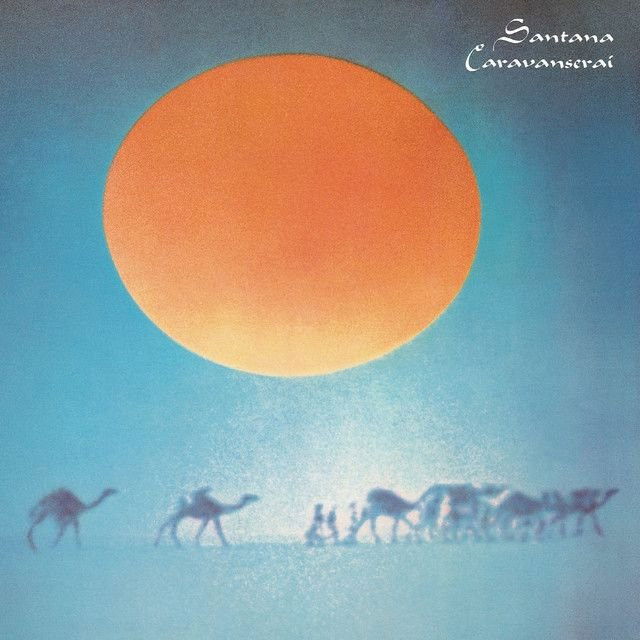
Just in Time to See the Sun by Santana
The meaning of Just in Time to See the Sun Santana centers on a hard-won glimpse of hope. The song does not sound carefree, even when it mentions sunlight. Instead, it presents a speaker who lives close to fear, doubt, and spiritual uncertainty, yet still reaches a moment of light before being fully swallowed by darkness.
"Just in Time to See the Sun" - Santana
Just in time, time to see the sun
And every shadow disbelieves me
Loading lyrics...
Unable to load lyrics
We're unable to display the lyrics at this time. Please try again later.
Originally appearing on Santana's first album, the track was written by Carlos Santana, Gregg Rolie, and Michael Shrieve. That matters, because early Santana often blended rock, blues, Latin rhythm, and spiritual searching. This song fits that mix: it feels personal, moody, and a little mystical.
A Sunrise That Arrives Late
At its core, the song seems to describe someone trapped in an emotional night. The opening image, Growing darkness
, gives that away right away. They are not dealing with one bad moment. They are living through something that keeps spreading.
Then comes the key turn: see the sun
. This is not bright, easy joy. It is brief relief. The title phrase suggests they arrive at hope barely in time, as if sunrise is a rescue, not a celebration.
Interpretation: The song may be about depression, spiritual doubt, or burnout. What makes it powerful is that the light does not erase the darkness. It only proves that darkness is not the whole story.
Watch the official Just in Time to See the Sun
music video
How the Lines Build the Theme
The lyrics move in a clear emotional pattern. First, the speaker says darkness stays with them. Then they describe shadows that seem to deny their experience. That idea makes the song feel lonely. It is not just pain; it is pain that feels unseen or misunderstood.
A later line about making their run longer suggests endurance. They are not winning cleanly. They are surviving. Even that small act becomes meaningful in the song's world.
The weather imagery deepens this feeling. Clouds and thunder do not simply decorate the scene. They act like warning signs. The song hints that suffering can be a message, or at least a signal that something serious is happening inside and around them.
Clouds roll past
leave their thunder
That short moment captures how trouble can move on physically but still leave an echo behind. The storm passes, yet the emotional noise remains.
Faith, Sin, and the Human Crowd
One of the most striking parts of the song is its shift from the private self to the wider public. Suddenly, all the people
are watching and wondering whether the Lord will wash away sin. This broadens the song from one person's struggle into a shared human question.
That line introduces religion, but not in a neat or preachy way. It shows uncertainty. The people are not praising with confidence. They are wondering. That verb matters. It suggests longing, doubt, and maybe even desperation.
Interpretation: The song may be asking whether salvation is real in daily life, not just in church language. In that reading, the sun becomes more than daylight. It becomes grace, clarity, or forgiveness.
This spiritual edge fits Santana's wider artistic identity. Carlos Santana has often spoken about music in spiritual terms, as seen in the band's Rock Hall profile and career coverage. Even in the early years, the group often treated sound as a path to emotional release.
Why the Music Feels So Heavy and Hopeful
The meaning of Just in Time to See the Sun Santana is carried as much by sound as by words. The arrangement is slower and more inward than the band's biggest, percussion-driven celebrations. Instead of pushing toward dance-floor release, the song sits in a hazy, reflective mood.
Gregg Rolie's vocal style is a major part of that. He does not sing the lines like a polished pop lead. He sounds burdened, searching, and slightly raw. That roughness helps the song feel believable.
Carlos Santana's guitar also matters. Rather than flooding the track with flashy solos, the playing adds ache and atmosphere. The tone feels suspended between blues sorrow and spiritual lift. That balance mirrors the lyrics: pain is present, but so is the possibility of transcendence.
The rhythm section supports this reading too. Michael Shrieve's drumming and the band's understated groove give the song motion without making it feel secure. They keep moving forward, but never let the listener forget the tension underneath.
Two Strong Ways to Read It
There is more than one valid reading of this song, and that ambiguity is one reason it lasts.
Reading One: A personal battle with despair
In this view, the speaker is describing an inner struggle. Darkness, shadows, thunder, and warning all point to mental and emotional strain. The sun is a narrow but real moment of relief.
Reading Two: A spiritual awakening under pressure
In this reading, the song is about someone standing on the edge of revelation. They pass through fear and doubt before reaching a glimpse of divine truth. The references to sin and the Lord support that possibility.
These interpretations do not cancel each other out. In fact, the song works best when both are felt at once. Emotional suffering and spiritual hunger often overlap, and the track understands that.
Why the Song Still Connects
What makes this track memorable is its honesty. It does not promise a permanent breakthrough. It only offers a fragile window of light. For many listeners, that feels more true to life than a simple victory song.
The meaning of Just in Time to See the Sun Santana lies in that fragile balance. They portray darkness as real, but not final. They suggest that hope may arrive late, briefly, and imperfectly, yet still matter enough to change everything.
Final Thought
Santana's song turns a small image of sunrise into a larger meditation on survival, doubt, and faith. It speaks to people who have felt overwhelmed but kept going long enough to catch one saving glimpse of light.
Disclaimer: This interpretation is based on the released lyrics, musical context, and publicly available artist history. As with most songs, listeners may hear different meanings in it.







