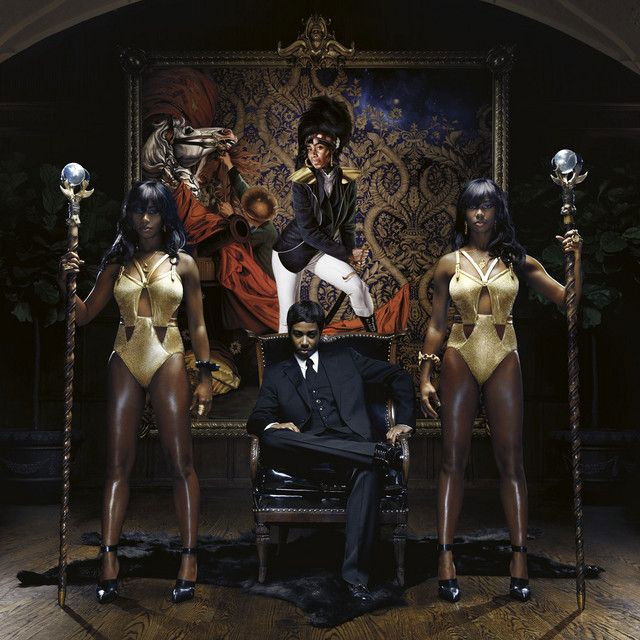
Disparate Youth by Santigold
Santigold turns uncertainty into motion, making this track feel like a manifesto for anyone who refuses to live by somebody else’s limits.
"Disparate Youth" - Santigold
Provided by LyricFind(Oh)
Don't look ahead, there's stormy weather (oh)
Another roadblock in our way (oh-oh)Loading...Loading lyrics...
Unable to load lyrics
We're unable to display the lyrics at this time. Please try again later.
Why the Song Still Feels Like a Rallying Cry
The meaning of Disparate Youth Santigold starts with pressure. The lyrics open in bad weather, with obstacles ahead and no easy route out. But instead of stopping, the song answers fear with solidarity. When the narrator says they will move together, the track shifts from warning to resolve.
That is why the song lands as more than a motivational anthem. It is about choosing action when the world feels stalled. The core message is simple: even if the path is blocked, people can still build a future through belief, community, and stubborn movement.
Factually, Disparate Youth
was released on February 14, 2012, as the lead single from Master of My Make-Believe. It was written by Santi White, Ricardo Johnson, and Nicholas Zinner, and produced by Ricky Blaze. It is widely described as blending dub-influenced pop, electronic rock, and new-wave textures.

Watch the official Disparate Youth
music video
Santigold’s Headspace Matters Here
Context sharpens the song’s meaning. After touring behind her debut, Santigold said she came back to her second album feeling drained and unsure of herself. Songfacts reports that she spoke about needing to reconnect with her inspiration and even questioning whether she could still write songs.
That backstory matters because the lyrics feel like self-recovery as much as social commentary. Interpretation: when the song describes storms and roadblocks, it can also reflect creative doubt. The confidence in the chorus sounds earned, not automatic.
Santigold also explained to MTV News, as quoted by Songfacts, that she wanted the lyrics to express what she wanted for the world and for people. She framed youth as the future’s hope and urged listeners to trust their own instincts rather than accept every rule handed to them.
The Verses Build a World of Resistance
The verses present two forces in conflict.
On one side, there are people willing to risk something for a better life. On the other, there are systems and older habits that prefer caution, control, and decline. Short phrases like stormy weather
and roadblock in our way
give the struggle physical shape.
Then the song answers those barriers with movement. The line about dreams carrying them forward is paired with a backup plan: if the dream does not lift them, they will still run. That idea is crucial. Hope is not passive here. It is tied to effort.
What the “they” figures represent
The song repeatedly contrasts the brave group with a frozen, doubtful one. The skeptics make rules, hedge their bets, and watch things decay. In plain terms, they represent institutions, gatekeepers, or any mindset that chooses safety over change.
Interpretation: the conflict is generational, but not only generational. “Youth” in this song can mean anyone who still has the courage to imagine differently.
Why the Chorus Hits So Hard
The chorus distills the message into a shared demand. Santigold repeats we want more
and a life worth fighting for
, making the song sound collective rather than private.
That matters because the hook is not about luxury or status. “More” means dignity, freedom, and purpose. The song does not ask for comfort. It asks for a life that deserves effort.
We know now we want more
A life worth fighting for
This is the article’s only multi-line quote, and it captures the whole emotional center. The repetition turns conviction into rhythm. Every return to the chorus feels like a recommitment.
Sound and Production: Motion You Can Hear
The production is a major reason the message feels believable. According to Songfacts, Ricky Blaze sent Santigold the beat, and it sparked a vivid memory of a fast boat ride with old reggae playing through blown-out speakers. That image helps explain the track’s feel: it glides, but it also shakes.
Billboard described the song’s sound as a dub-reggae half-step groove with shimmering synths and calm vocals. That balance is important. The beat keeps moving forward, while Santigold’s delivery stays cool and controlled. She does not sound panicked by the chaos around her, which makes the determination more convincing.
Nick Zinner’s guitar stabs also matter. They cut through the smoother synth textures like warning flares, giving the arrangement tension. The result is music that feels both dreamy and urgent.
The Video Extends the Song’s Meaning
The official video, co-directed by Santigold and Sam Fleischner, was shot in Jamaica and shows her moving through roads, coastline, jungle, and water with local youths. Billboard saw the clip as spiritual and nature-seeking, while coverage of the release noted its motorcycle and speedboat imagery.
Those visuals fit the lyrics well. Travel becomes a symbol of self-definition. The young people in the video are not shown as helpless; they are companions, witnesses, and a living version of the song’s faith in the future.
Final Reading: Hope With Teeth
The best way to understand the meaning of Disparate Youth Santigold is to hear it as hopeful, but not naive. It knows the odds, the rules, and the pressure to give in. Yet it keeps insisting on forward motion.
Interpretation: the song is about protecting inner vision against dead systems. It speaks to youth, but also to any listener who has been told to stay small.
That is why the track still resonates. It does not promise easy victory. It promises that belief, joined with action, can outlast fear.
Disclaimer: This interpretation blends documented artist context with critical reading of the lyrics and sound. Song meaning can remain open to individual listeners.









