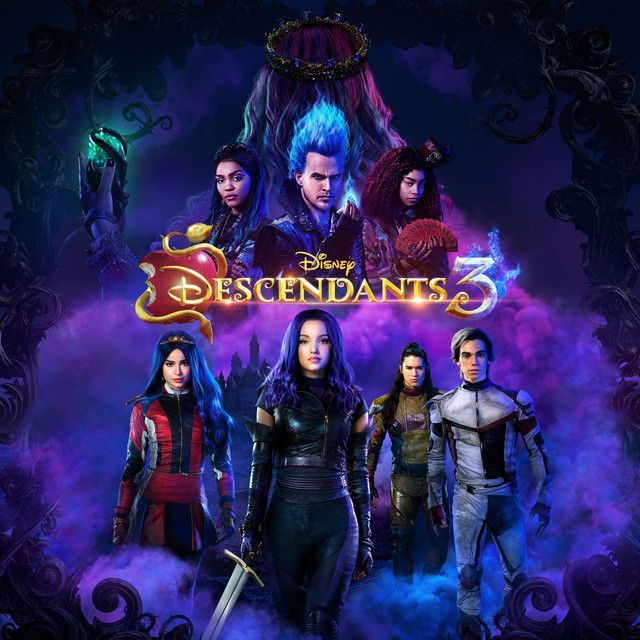
Queen of Mean by Sarah Jeffery, Disney
The meaning of Queen of Mean Sarah Jeffery, Disney comes down to one sharp emotional turn: a person who believes they earned a happy ending decides that, if goodness brings only pain, they will embrace power instead. In Descendants 3, Sarah Jeffery performs the song as Audrey, and the number works as both a plot point and a character study. It is not just about becoming “bad.” It is about wounded pride, broken expectations, and the temptation to turn pain into control.
"Queen of Mean" - Sarah Jeffery, Disney
Where's my happy ending?
I followed all the rules
Loading lyrics...
Unable to load lyrics
We're unable to display the lyrics at this time. Please try again later.
A Fairy Tale Cracks Open
Factually, “Queen of Mean” appears in Disney’s Descendants 3, where Jeffery plays Audrey, a character tied to royal image and social expectation. Disney positioned the film as the third entry in the franchise built around the children of classic heroes and villains. The song’s writers are Adam Paul Schmalholz, Antonina Armato, Thomas Armato Sturges, and Timothy James Price.
Within that story world, Audrey’s crisis is personal but also symbolic. They believed that following the rules would lead to reward. Early lines make that clear through ideas like doing everything properly and waiting their turn. When that expected future disappears, their identity collapses.
That is why the opening question about a “happy ending” matters so much. It frames the song as a dark reply to the Disney promise that goodness is always rewarded.

Watch the official Queen of Mean
music video
The Core Meaning: Hurt Becomes a Persona
At its heart, the song tracks a psychological shift. Audrey starts from betrayal and moves toward self-coronation. They do not simply say they are angry; they build a new role for themselves.
Short phrases like happy ending
, overwhelming pain
, and who to blame
show the pattern. First comes disappointment. Then comes fixation. Then comes a decision to direct that pain outward.
Interpretation: The key insight is that the song treats meanness as chosen armor. Audrey feels powerless, so they pick a more threatening identity to avoid feeling small again. That is why the title is so effective. A queen suggests status and command, while “mean” twists that royal image into something hard and bitter.
Why the Chorus Hits So Hard
The chorus is the emotional center because it turns private hurt into public identity. When Audrey says queen of mean
, they are naming the person they are becoming.
Before that moment, the verses describe emotional symptoms: spiraling thoughts, burning anger, and a sense of betrayal. The chorus simplifies all of it into one label. That makes the song easy to remember, but it also shows how anger can flatten a person into a single mood.
I never thought of myself as mean
I always thought that I'd be the queen
And there's no in between
This is the song’s main argument in miniature. Audrey believes they must be adored or feared, crowned or cast out. There is “no in between,” which reveals a rigid mindset. Interpretation: That black-and-white thinking is part of the tragedy. They cannot imagine healing, only switching sides.
The Villain Imagery Is Really About Isolation
The song uses classic villain images, but they point back to loneliness more than evil. Audrey sings about a devil on my shoulder
, dark rule, and wicked schemes. These are theatrical phrases, fitting Disney’s style, yet the deeper engine is emotional abandonment.
One of the most revealing ideas comes later when they admit there is “nothing to lose” when someone feels lonely and friendless. That line explains the whole performance. The villain persona promises protection, revenge, and certainty. If connection feels gone, power starts to look like the only prize left.
Interpretation: In that sense, the song is less about cruelty for fun and more about the fantasy of becoming untouchable.
How the Sound Carries the Story
Musically, “Queen of Mean” is built like a transformation anthem. It blends theatrical pop with pounding percussion, dramatic pauses, and a rising vocal intensity. The arrangement keeps getting bigger, mirroring Audrey’s emotional escalation.
Jeffery’s performance is central to the meaning. They begin with contained frustration and move toward full command, almost spitting some lines with precision. That vocal climb makes the character’s turn feel active, not passive.
The production also helps by pairing sharp rhythmic hits with lyrics about boiling anger and revenge. Instead of sounding sad, the track sounds energized. That matters because the song is about pain being converted into momentum.
What the Song Says About Disney Villains
One reason the number stands out in the Descendants catalog is that it updates an old Disney idea. Traditional villains often arrive already formed. Audrey’s song shows the making of one in real time.
That makes the meaning of Queen of Mean Sarah Jeffery, Disney especially interesting for viewers. It asks a simple question: what if a princess-like figure starts thinking like a villain because the story did not reward them?
This twist fits Descendants, a franchise interested in legacy, reputation, and whether people are trapped by roles. Audrey is not born into villain status in the same way some other characters are. They move toward it because disappointment curdles into entitlement.
Final Take: A Breakup With the Fairy-Tale Script
In the end, “Queen of Mean” is about more than jealousy. It is about the rage that comes from believing they did everything right and still lost. Audrey responds by rejecting kindness as weakness and recasting themselves as a threat.
That is why the song remains memorable: it turns a familiar Disney promise inside out. Instead of a reward for patience, the listener gets a warning about what happens when hurt, pride, and loneliness combine.
Disclaimer: This article offers interpretation based on the lyrics, performance, and film context. Song meaning can vary from listener to listener.








