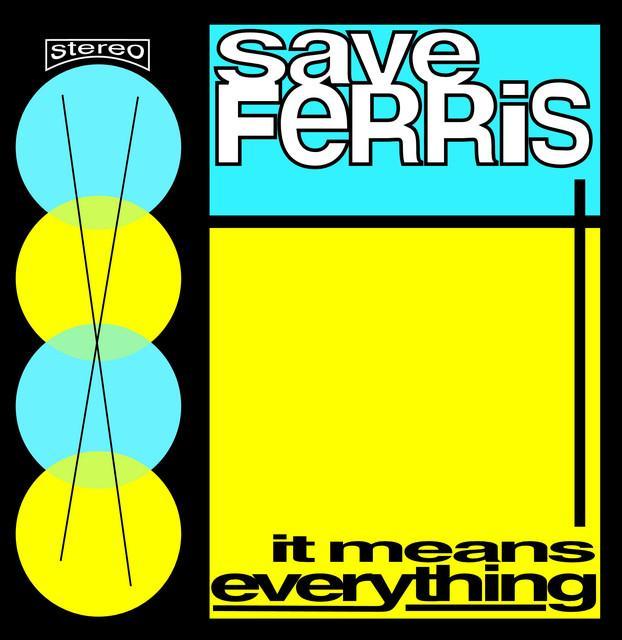
Come on Eileen by Save Ferris
Why This Cover Still Feels So Alive
The meaning of Come on Eileen Save Ferris starts with an important fact: Save Ferris did not write the song. Their 1997 version is a cover of Dexys Midnight Runners’ 1982 hit, which appeared on It Means Everything and helped introduce the song to a new ska-pop audience in the U.S. The original was written by Kevin Rowland, Jim Paterson, and Billy Adams, and released on Too-Rye-Ay; it became a No. 1 hit in both the UK and the US and won Best British Single at the Brit Awards, according to widely cited chart and award records.
"Come on Eileen" - Save Ferris
Poor old Johnny Ray
Sounded sad upon the radio
Loading lyrics...
Unable to load lyrics
We're unable to display the lyrics at this time. Please try again later.
That matters because Save Ferris inherit a song that already carries a rich meaning. At its core, it is about teenage longing, sexual awakening, and the dream of escaping a life that feels small or already decided. Save Ferris keep that emotional center, but their version makes it feel more playful, fast, and bright.

Watch the official Come on Eileen
music video
The Story Under the Hook
On the surface, the song sounds simple: one person is calling out to Eileen in a moment of intense attraction. But the verses show more than a crush. They describe a place filled with tired adults and a sense of social defeat. When the narrator looks around and sees beaten down eyes
, the song paints a working-class world shaped by routine and resignation.
Against that backdrop, Eileen becomes more than a person. She represents possibility. The repeated call of Come on Eileen
is not just flirtation; it is a push toward action, change, and a break from rules.
Interpretation: The song suggests that desire and escape are connected. The narrator is not only drawn to Eileen’s body and presence. They also see her as part of a life that might feel freer than the one surrounding them.
Desire, Guilt, and Growing Up
One of the song’s most famous moments is its blunt honesty about lust. The narrator admits thoughts that verge on the dirty
, which gives the song a nervous, human edge. This is not polished romance. It is awkward, urgent, and a little ashamed of itself.
That emotional mix fits comments from Kevin Rowland, who said Eileen was a composite figure used to make a point about Catholic repression. That background helps explain why the song swings between sweetness and pressure. It is about wanting someone badly while also carrying ideas about sex, shame, and respectability.
The result is a song about adolescence in a deeper sense. It captures the moment when physical desire collides with social rules. The line At this moment, you mean everything
shows how overpowering that feeling can become. In youth, one moment can seem like the whole future.
A Chorus About More Than Romance
The hook is catchy enough to make listeners miss how loaded it is. The chorus sounds like celebration, but it also carries desperation. The narrator wants a yes, wants movement, wants life to begin now.
Too-ra, loora, toora, loorye, aye
We are far too young and clever
This short burst is where the song’s larger idea comes through. The singalong sound feels communal, almost traditional, yet the words insist that the young do not have to end up like everyone else.
Interpretation: That confidence may be sincere, but it may also be naive. Young people often believe they can escape patterns that later prove harder to break. That tension gives the song its bittersweet depth.
What Save Ferris Add to the Meaning
Save Ferris reshape the song through style. Their version leans into ska-punk and upbeat alternative pop, making the track punchier and sunnier than the original Celtic-soul blend. That shift changes how the story lands.
Dexys built the original around a striking mix of fiddle, banjo, accordion, saxophone, and a rhythm Kevin Rowland described as central to the song’s identity. Save Ferris, by contrast, use brassy ska energy, tighter pop momentum, and Monique Powell’s vocal presence to make the song feel less like a private confession and more like a public party.
That does not erase the meaning. Instead, it changes the balance. In the Save Ferris version, youthful desire sounds less burdened by shame and more energized by impulse. The longing is still there, but the cover emphasizes release over repression.
Class, Escape, and the Dream of "Not Us"
One reason the song lasts is that it links personal desire to social class. The narrator does not just want Eileen. They want out. When the song says not us
, it rejects the grim future seen in the surrounding community.
That makes the track bigger than a romance song. It becomes a portrait of young people trying to imagine a different life before the world narrows around them. In that sense, Eileen is both a real figure and a symbol of transformation.
For U.S. listeners, Save Ferris helped this theme travel. Their late-1990s ska sound made the song feel fresh, but the emotional idea remained easy to recognize: youth often believes one daring choice can change everything.
Why the Song Still Connects
The meaning of Come on Eileen Save Ferris lasts because it mixes several feelings at once:
- attraction
- restlessness
- class frustration
- hope
- youthful overconfidence
That blend keeps the song from being a novelty hit. Beneath the huge hook is a story about wanting love, wanting freedom, and wanting life to start before adulthood turns into defeat.
Save Ferris make that story feel louder and more immediate. Their cover highlights the thrill of the moment, while the original songwriting keeps the deeper tension intact.
Final Take
In the end, the song is about a young person who sees desire as a doorway out of a trapped life. Save Ferris perform that idea with bounce and swagger, but the heart of the song remains the same: in one charged moment, another person can seem to hold the key to a whole new future.
Disclaimer: This interpretation separates documented background from critical reading. Like all songs, "Come On Eileen" can support more than one meaning depending on the listener.







