Why This Say Anything Song Still Hits Hard
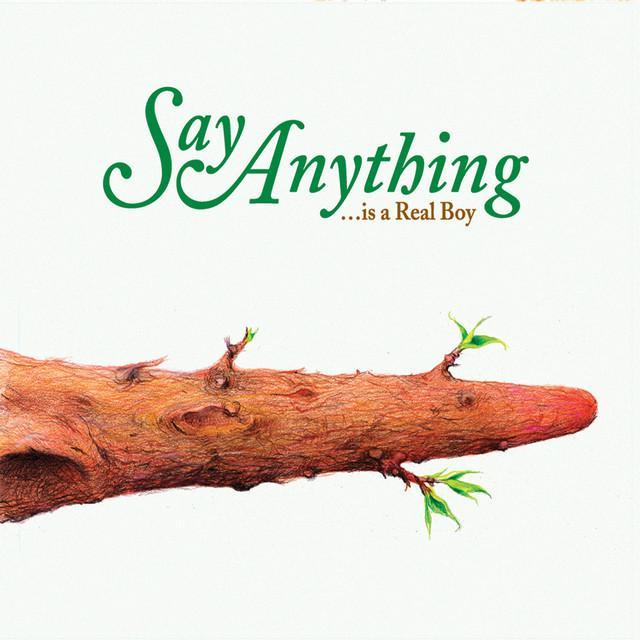
The meaning of Alive With the Glory of Love Say Anything starts with a striking contradiction: it is a fast, catchy rock song about one of history’s darkest subjects. Released as the lead single from ...Is a Real Boy in 2006, the track was written by Max Bemis and is widely described as semi-biographical, drawing on the fact that his grandparents were Holocaust survivors. It reached No. 28 on the US Alternative chart, showing how far its unusual idea traveled into the mainstream.
"Alive With the Glory of Love" - Say Anything
Right on the foyer on this dark day right in plain view oh yeah
Of the whole ghetto, the boot-stomped meadows, but we ignore that yea
Loading lyrics...
Unable to load lyrics
We're unable to display the lyrics at this time. Please try again later.
What makes the song memorable is not just its subject. It is the way it insists that desire, devotion, and even humor can survive inside terror. That makes it uncomfortable on purpose.
A Love Song Set Inside Catastrophe
At its core, the song tells a story of two people trying to hold onto each other while violence closes in. The narrator does not speak like a historian. They speak like a lover in crisis, making promises, imagining hiding places, and refusing separation.
That is why lines like I won't let them take you
matter so much. The phrase is simple, but it carries fear, protectiveness, and helplessness all at once. They cannot stop the war by force, so they turn love into a vow.
Interpretation: the song is less about victory than resistance. It says that when people are stripped of safety and control, choosing another person can still be an act of defiance.

Watch the official Alive With the Glory of Love
music video
The Holocaust Context Changes Everything
The details point clearly to the Holocaust. The song mentions ghettos, hiding, work camps, and Treblinka, one of the Nazi extermination camps. Those references make this much more than a general anti-war song.
Bemis has said the track was inspired by his grandparents’ survival story, and later reflected on how provocative it was to write a love song, even a sexual one, around the Holocaust. That self-awareness matters. The song knows it is crossing a line, and part of its power comes from asking whether intimacy can still exist in a world designed to erase human dignity.
A short passage shows that collision of romance and danger:
Our Treblinka is alive
with the glory of love
Paraphrased, the idea is startling: even in a place associated with mass death, the singer insists that love is still alive. It is not meant to soften the horror of Treblinka. It highlights the impossible tension between annihilation and human connection.
Desire as Defiance, Not Distraction
One reason the song remains debated is that it mixes fear with lust. Early in the lyric, the narrator is sexually drawn to the other person even while the setting is dangerous. Later, they imagine hiding together and trying to preserve some kind of private life.
That can feel shocking, but that shock is part of the point. The song argues that desire is not separate from survival. Human beings do not become emotionless symbols during atrocity. They still want, fear, love, and fantasize.
When the singer calls the other person Miss Black Eyeliner
, the nickname adds modern, stylized attitude to an old-world horror setting. It does not sound historically pure. It sounds like Bemis intentionally folding punk theater into inherited trauma.
Interpretation: this makes the song feel less like reenactment and more like a descendant trying to imagine how love survives what should destroy it.
How the Story Moves
The lyric unfolds in clear stages:
- Two lovers are introduced in a public, threatened space.
- The city falls, and looting and roundup imagery appear.
- They imagine hiding and staying physically close.
- The threat expands into camps and possible death.
- Love becomes something that outlasts even separation or murder.
The emotional shift is crucial. The song begins with urgency and attraction, but it ends in near-spiritual commitment. By the time the narrator says your love will fill me
, love has become more than romance. It is purpose, memory, and last refuge.
Why the Music Feels So Triumphant
The production helps explain why the song feels uplifting even while its lyrics are bleak. Built as an emo and pop-punk track, it moves with speed, big hooks, and a shouted chorus. That sound keeps the song from collapsing under its own weight.
Instead of sounding mournful, it sounds charged. Guitars drive forward, the drums push hard, and Bemis sings with a mix of panic and exhilaration. That energy mirrors the theme: life refusing to go quiet.
This may be why critics have called it both ambitious and unsettling. The arrangement does not ask listeners to sit still in grief. It pulls them into motion, which makes the central claim feel stronger.
The Video and the Song’s Wider Legacy
The music video, directed by Kevin Kerslake, shifts the idea toward youthful innocence. It shows children escaping a camp-like setting and briefly finding freedom before disappearing into a crowd. Bemis described the concept as being about first love and innocence defying rules.
That choice reveals another layer of the song. It is not only about historical survival. It is also about love refusing the systems that police bodies, feelings, and identity.
The track’s legacy backs that up. It became one of Say Anything’s signature songs, appeared in shows like Scrubs, and has been praised as one of emo’s standout songs. Its staying power comes from its risk: very few songs try to sound this alive while staring at death.
The Final Meaning Behind the Fire
So, what is the meaning of Alive With the Glory of Love Say Anything? Most clearly, it is about love surviving the Holocaust’s machinery of dehumanization. But it is also about something broader: the stubborn human drive to keep feeling, wanting, and choosing connection when the world turns monstrous.
That is why the chorus lands. It does not deny horror. It answers horror with life.
Disclaimer: This interpretation is based on the lyrics, public comments, and the song’s historical references. As with any art, listeners may hear different meanings in it.








