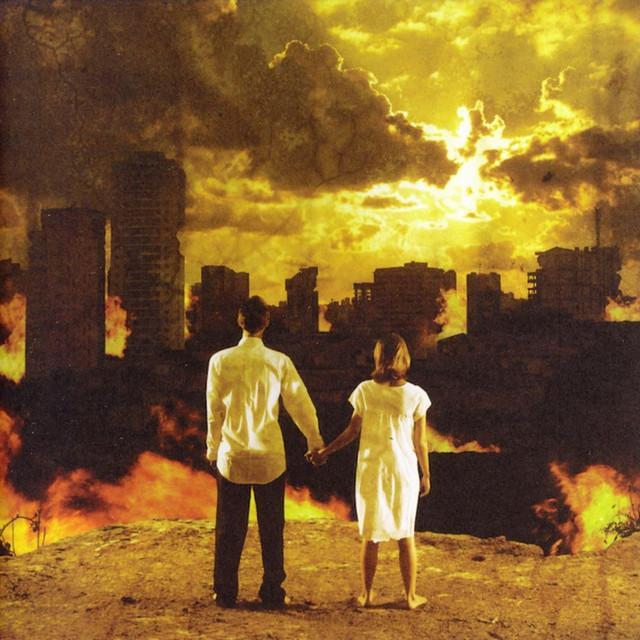
Why 'My Darkest Hour' Still Hits So Hard
For many post-hardcore fans, the meaning of My Darkest Hour Scary Kids Scaring Kids comes down to one painful idea: being emotionally destroyed by someone they trusted, then trying to survive the wreckage.
"My Darkest Hour" - Scary Kids Scaring Kids
Let me out
I am suffocating
Loading lyrics...
Unable to load lyrics
We're unable to display the lyrics at this time. Please try again later.
Released on The City Sleeps in Flames in 2005, the song helped define the Arizona band's early sound. Scary Kids Scaring Kids formed in 2002 in Gilbert, Arizona, and recorded that debut album with producer Brian McTernan, a key figure in heavy melodic rock of the 2000s. Those basic facts are widely documented in the band's known history and credits.
A breakup song, but bigger than a breakup
On the surface, the song reads like a relationship collapse. The speaker feels abandoned, betrayed, and unable to breathe under the weight of it. Early lines like Let me up
and I am suffocating
do not just describe sadness. They make heartbreak feel physical.
That physical language matters. This is not a calm reflection after the fact. It sounds like someone inside the moment, panicking as the emotional damage is still happening.
Interpretation: The song is best heard as a portrait of shock. It is less interested in explaining what went wrong than in showing what betrayal feels like in the body.

Watch the official My Darkest Hour
music video
The central wound is abandonment
The lyric image that anchors the whole song is You left me at the alter
. Whether listeners take that line literally or as a dramatic symbol, the effect is the same: trust has been shattered at the point of maximum vulnerability.
The next image, My heart in my hand
, pushes that feeling further. The speaker is exposed, defenseless, and fully aware of the damage. Rather than hiding pain, they are holding it out where everyone can see it.
Why that image works so well
The altar suggests commitment, promise, and public devotion. So when the song places betrayal there, it turns a private breakup into a total collapse of faith.
That is why the chorus lands so hard. It is not only about being left. It is about being left after giving everything.
Darkness, truth, and the collapse of illusion
The title phrase connects the song's emotional pain to realization. When the speaker describes my darkest hour
, they are not only talking about loss. They are also talking about truth finally arriving.
One of the sharpest lines says they are Paralyzed and dying / From the truth
.
That brief moment captures a major theme in the song: sometimes the most painful part is not the breakup itself, but finally seeing the relationship clearly. The truth hurts because it destroys whatever hope was keeping the speaker going.
Interpretation: In that reading, the song is about disillusionment as much as heartbreak. Love does not simply end; illusion dies too.
The verses feel like being trapped inside a collapse
The song's imagery keeps tightening the emotional pressure. Trembling lips, no voice, walls caving in, the roof falling down: each detail turns inner pain into a disaster scene.
These are familiar emo and post-hardcore images, but they work because the band uses them with urgency rather than decoration. The speaker cannot speak, cannot breathe, and cannot stabilize their world.
A useful way to read the song's timeline is this:
- They feel trapped and overwhelmed.
- They name the betrayal.
- They relive the stolen past.
- They begin to reject the lies.
- They try to reclaim themselves.
That final turn is easy to miss, but it is important.
A small turn toward survival
Late in the song, the speaker says their only hope is to take back what was stolen. That changes the emotional direction. Earlier, they are almost fully passive, crushed by memory and pain. By the end, they are still wounded, but they want something back.
This does not sound like triumph. It sounds like the first weak step after devastation. Still, that step matters.
Interpretation: The ending suggests recovery begins not with peace, but with refusal. They may not be healed, but they no longer want to stay powerless.
How the sound carries the meaning
Part of the meaning of My Darkest Hour Scary Kids Scaring Kids comes from how the band builds emotion musically. Scary Kids Scaring Kids came out of the 2000s post-hardcore scene, but they stood out for mixing aggression with keyboards, melodic hooks, and dramatic shifts in texture.
On this track, that blend helps the lyrics hit harder. The guitars push urgency, the drums drive the panic forward, and the keyboards add an almost cinematic sadness around the edges. The vocal performance moves between fragility and force, which mirrors the song's core tension: the speaker feels broken, yet they are still trying to speak through the damage.
Brian McTernan's involvement also fits that sound world. He was known for giving heavy bands clarity without sanding off their emotional edge, and this song benefits from that balance.
Why the song lasted
The song has endured because it captures a feeling many listeners know: the moment when heartbreak becomes humiliation, panic, and self-loss all at once. It is specific enough to feel vivid, but open enough for different experiences.
Some will hear a romantic betrayal. Others may hear a broader loss of trust, including friendship or family pain. That flexibility helps explain why the track remained one of the standout songs from The City Sleeps in Flames.
Final takeaway
The meaning of My Darkest Hour Scary Kids Scaring Kids is the sound of a person breaking under betrayal, then barely starting to pull themselves back together. Its strongest idea is simple: the worst pain comes when love, memory, and truth all collapse at the same time.
That is why the song still resonates. It turns heartbreak into a full-body crisis, but it also leaves a thin line of resistance at the end.
Disclaimer: This article offers interpretation based on the lyrics, performance, and known band context. Song meaning can remain open, and different listeners may hear it differently.







